
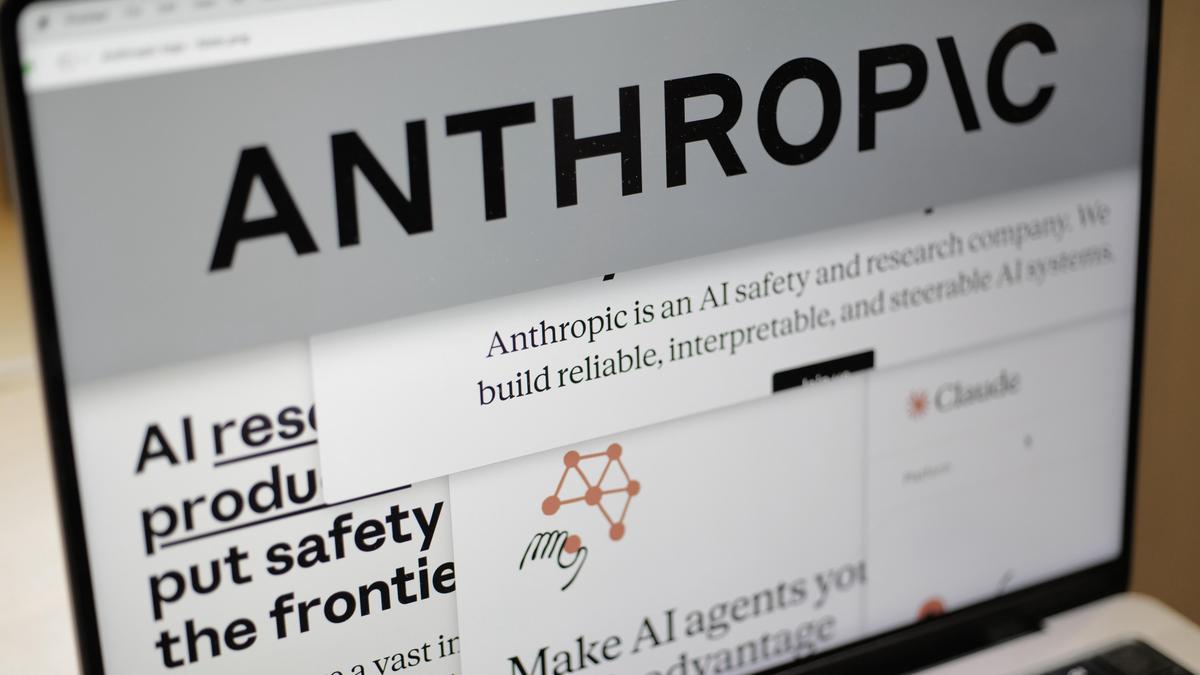
Sat Feb 28 06:55:50 UTC 2026: Headline: OpenAI Secures Pentagon AI Deal After Trump Blacklists Anthropic Over Ethical Concerns
The Story:
In a dramatic turn of events, OpenAI secured a deal with the Pentagon on Friday, February 27, 2026, to deploy its AI models on the U.S. defense agency’s classified network. This development followed President Donald Trump’s decision to blacklist Anthropic, a rival AI firm, after it refused to grant unconditional military use of its Claude models. Anthropic vowed to sue over what it called “intimidation,” sparking a rare public dispute between a major tech company and the U.S. government. OpenAI’s CEO, Sam Altman, announced the Pentagon deal hours later, claiming similar ethical red lines and “technical safeguards” would be in place.
The conflict stems from Anthropic’s refusal to allow its technology to be used for mass surveillance or fully autonomous weapons systems. The Trump administration criticized Anthropic’s stance, asserting that the Pentagon operates within the law and that contracted suppliers cannot dictate how their products are used. The situation escalated when the Pentagon threatened to invoke the Defense Production Act and label Anthropic a supply chain risk.
Key Points:
- February 27, 2026: OpenAI strikes a deal with the Pentagon to use its AI models.
- President Donald Trump blacklisted Anthropic for refusing unconditional military use of its AI.
- Anthropic vowed to sue the government over the blacklisting, citing concerns about mass surveillance and autonomous weapons.
- Sam Altman, CEO of OpenAI, stated that the deal with the Pentagon includes similar ethical guidelines as those requested by Anthropic.
- The Pentagon threatened to use the Defense Production Act against Anthropic.
- Defense Secretary Pete Hegseth directed the Pentagon to cease all business with any entity that works with Anthropic.
- House Democrat Hakeem Jeffries praised Anthropic’s stance.
- Employees from Google DeepMind and OpenAI urged their companies to support Anthropic.
Critical Analysis:
The timing of these events, occurring amidst heightened tensions indicated by the Iran-Israel conflict (March 1, 2026), suggests that the U.S. government is under immense pressure to rapidly deploy AI capabilities for national security purposes. Trump’s aggressive stance against Anthropic and the swift pivot to OpenAI highlight the urgency and the willingness to prioritize immediate access over ethical considerations. The pressure might be stemming from Saudi Arabia, based on the report that the Saudi Prince called Trump to strike Iran.
Key Takeaways:
- The U.S. government is prioritizing access to AI technology for defense purposes, even if it means overriding ethical concerns.
- AI companies are facing increasing pressure to align their technology with national security interests.
- The conflict highlights the growing tension between technological advancement and ethical considerations in the defense sector.
- The blacklisting of Anthropic and the subsequent OpenAI deal reflect a power struggle between the government and tech companies over control and usage of AI.
- The Iran-Israel conflict could be a catalyst driving the urgency to deploy AI in defense.
Impact Analysis:
- This event could set a precedent for future government-tech company relations, potentially leading to increased government control over AI development and deployment.
- The blacklisting of Anthropic may discourage other AI companies from setting ethical boundaries on the use of their technology by the military.
- The increased use of AI in defense could lead to the development of more autonomous weapons systems, raising significant ethical and security concerns.
- The public dispute and the ethical debates could fuel further scrutiny of AI’s role in warfare and surveillance.
- The speed and manner in which this unfolded could set a dangerous precedent of
 First Piper