
Sun Mar 01 04:47:46 UTC 2026: ### Headline: OPEC+ Weighs Output Increase as US-Israel Strikes on Iran Threaten Oil Supply
The Story:
Amidst escalating tensions in the Middle East following joint US-Israel strikes on Iran on February 28, 2026, key members of the OPEC+ alliance are considering increasing oil output. The “Voluntary Eight” (V8) group, comprising Saudi Arabia, Russia, Iraq, the United Arab Emirates, Kuwait, Kazakhstan, Algeria, and Oman, will hold a virtual meeting on March 1, 2026, to discuss a potential output increase. The market had already factored in a geopolitical risk premium due to a U.S. military build-up, and the recent strikes have further amplified these concerns, driving oil prices upward.
Key Points:
- The “Voluntary Eight” (V8) members of OPEC+ are meeting to discuss increasing oil output on March 1, 2026.
- The meeting comes after U.S. and Israel launched strikes on Iran on February 28, 2026.
- Brent crude oil prices jumped over 3% on February 27, 2026, reaching over $73 per barrel, up from $61 at the beginning of the year.
- Analysts anticipated a quota increase of 137,000 barrels per day even before the strikes.
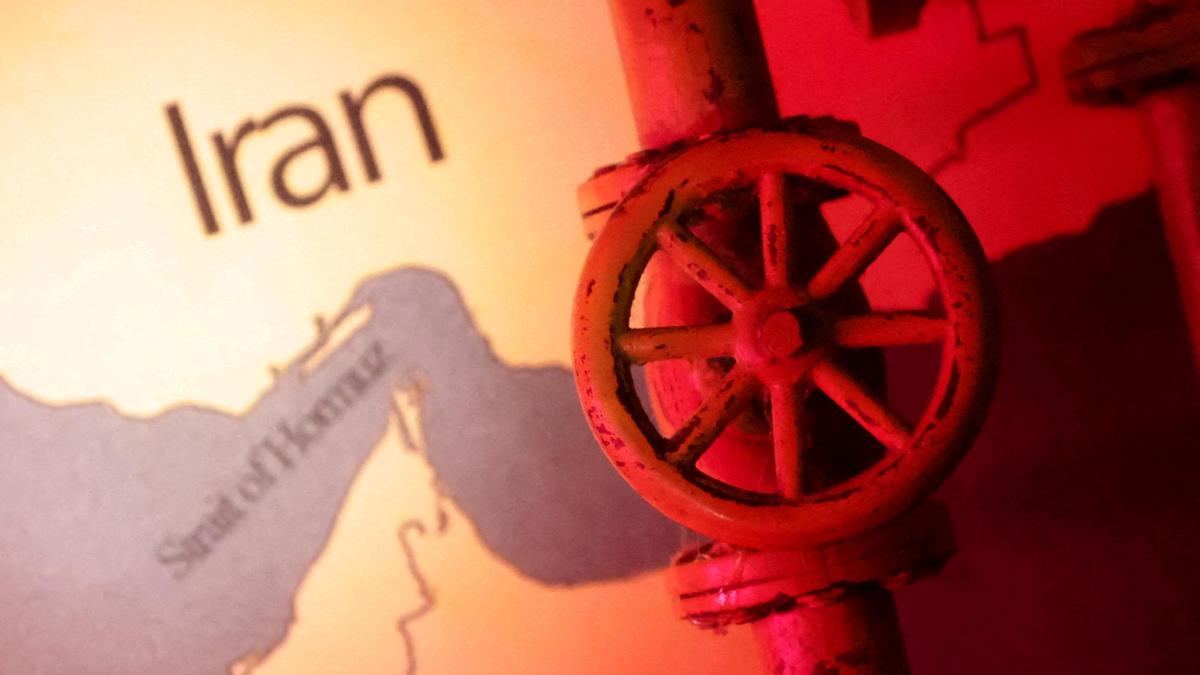
- The Strait of Hormuz, a critical transit point for approximately 20% of global oil production, is at risk of disruption.
- Saudi Arabia and the UAE have limited pipeline capacity to bypass the Strait of Hormuz, with a maximum capacity of 2.6 million barrels per day.
- Capital Economics predicts Brent crude oil prices could rise to around $80 per barrel, while a prolonged conflict could push prices to around $100 per barrel.
Critical Analysis:
The timing of the US-Israel strikes on Iran, coupled with existing supply constraints, creates a perfect storm for potential oil price spikes. OPEC+’s consideration of an output increase is a direct response to mitigate the potential economic fallout from these geopolitical tensions. The historical context, including the mention of OPEC+ considering an output boost after the strikes, indicates a proactive approach to stabilize the market.
Key Takeaways:
- Geopolitical instability significantly impacts global oil prices and supply.
- OPEC+ is attempting to balance market stability with its own economic interests.
- The Strait of Hormuz remains a critical vulnerability in the global oil supply chain.
- Limited spare capacity within OPEC+ could constrain the effectiveness of any output increase.
- The US-Israel strikes on Iran have amplified existing market concerns and introduced significant uncertainty.
Impact Analysis:
The unfolding events have several potential long-term implications:
- Geopolitical Realignment: The conflict could lead to a realignment of alliances in the Middle East, impacting future oil production and distribution agreements.
- Energy Security Concerns: The potential disruption of the Strait of Hormuz highlights the vulnerability of global energy supplies and could accelerate the diversification of energy sources.
- Economic Consequences: Rising oil prices could trigger inflationary pressures globally, impacting economic growth and potentially leading to policy adjustments by central banks.
- OPEC+ Influence: This situation underscores OPEC+’s continued influence on global oil markets and their ability to respond to geopolitical crises.
- US Energy Policy: The events could prompt a reassessment of US energy policy, potentially leading to increased domestic production or a greater emphasis on renewable energy sources.
 First Piper