
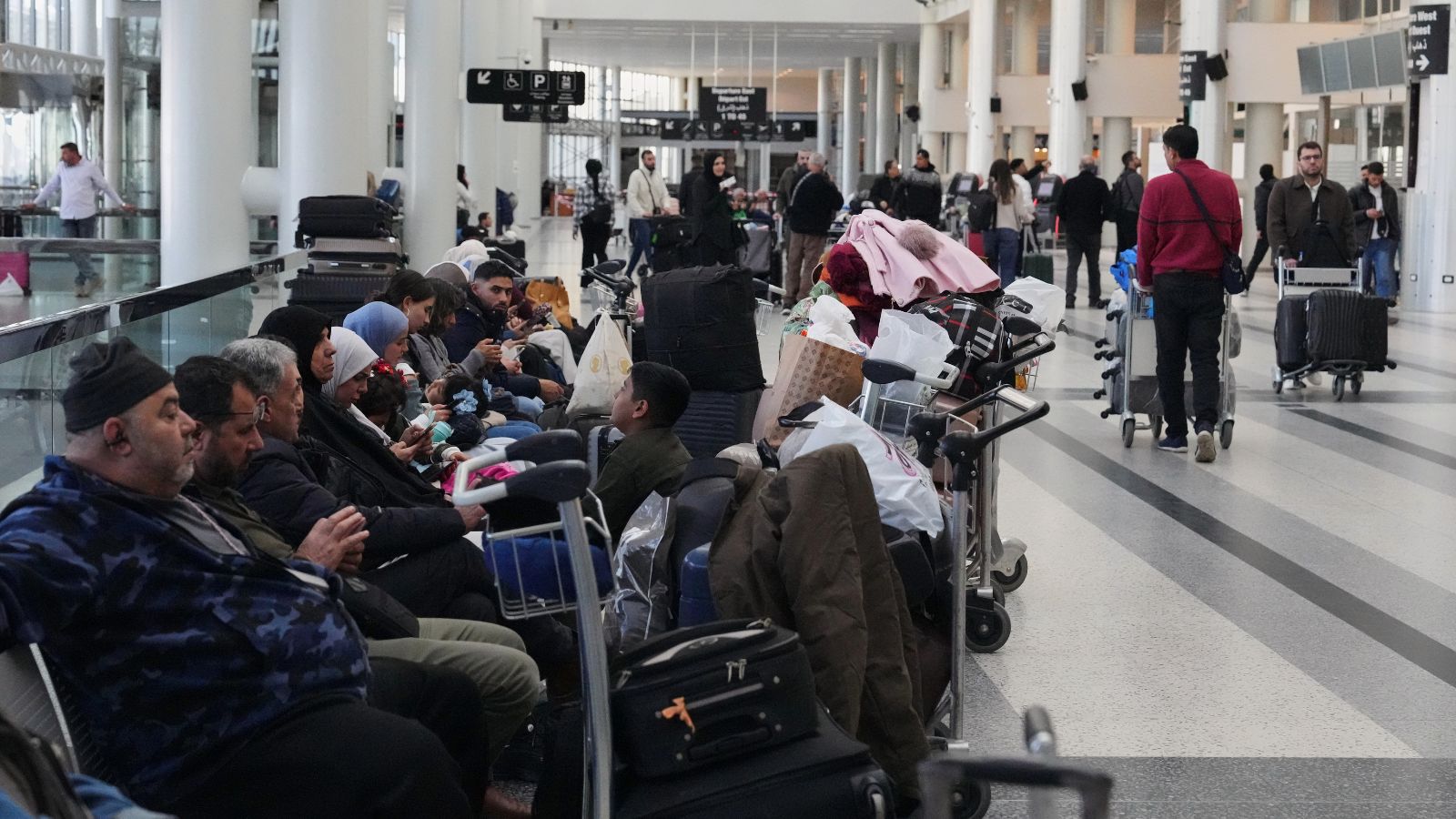
Sat Feb 28 18:46:19 UTC 2026: ### Headline: Indian Embassies Issue Advisories as Iran-Israel Conflict Escalates in 2026
The Story:
Amidst the ongoing conflict between Iran and Israel in 2026, Indian embassies across multiple countries have issued advisories urging Indian citizens to exercise caution and maintain contact with their respective missions. The advisories come as tensions rise throughout the Middle East. The Indian Ministry of External Affairs (MEA) has called for all parties to exercise maximum restraint and respect the sovereignty and territorial integrity of all nations, expressing deep concern over recent developments in Iran and the Gulf region.
Key Points:
- Indian embassies have issued advisories for citizens in various countries due to the ongoing Iran-Israel conflict.
- The advisories urge Indian citizens to remain vigilant, stay in contact with the missions, and follow local security guidance.
- The MEA has called for restraint and de-escalation, emphasizing respect for sovereignty and territorial integrity.
- The MEA is in contact with Indian nationals in Iran, Israel, Jordan, Qatar, the UAE, and Palestine.
Critical Analysis:
The historical context shows that the conflict escalated following the death of Iranian Supreme Leader Khamenei and accusations by the US that Iran attempted to assassinate Trump. This has led to Iran threatening a “most ferocious offensive op” against Israel and US bases. The MEA’s statement shows India’s neutral stance, urging de-escalation and respect for sovereignty.
Key Takeaways:
- The death of Khamenei appears to be a significant catalyst for the current escalation between Iran and Israel.
- India is attempting to maintain a neutral position, prioritizing the safety of its citizens in the region.
- The situation is highly volatile, requiring Indian citizens in affected areas to exercise extreme caution.
- The conflict has the potential to destabilize the entire Middle East region.
Impact Analysis:
The ongoing conflict between Iran and Israel has significant long-term implications:
- Regional Instability: The conflict could trigger a broader regional war, drawing in other countries and non-state actors.
- Global Economic Impact: Disruptions to oil supplies from the Middle East could lead to increased global energy prices and economic instability.
- Geopolitical Realignment: The conflict could lead to a realignment of alliances in the Middle East, with countries choosing sides based on their strategic interests.
- Increased Terrorism: The conflict could embolden extremist groups, leading to an increase in terrorist attacks both in the region and globally.
- Indian Interests: India’s economic and strategic interests in the Middle East are at risk, potentially impacting trade, energy security, and the safety of Indian expatriates. India may need to reassess its diplomatic and security strategies in the region.
 First Piper