
Sun Mar 01 06:19:21 UTC 2026: # Iran Strikes UAE in Retaliation for US-Israeli Attack, Dubai Landmarks Damaged
The Story:
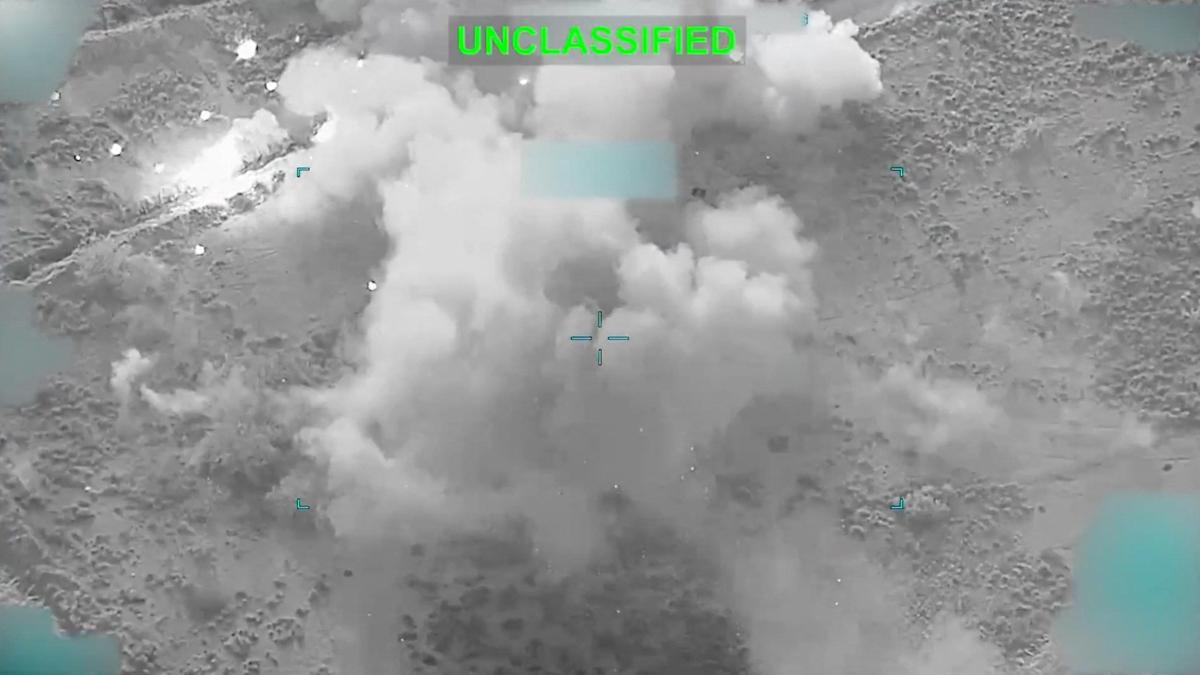
On Saturday, February 28, 2026, Iran launched a wave of missile and drone attacks targeting the United Arab Emirates (UAE), specifically hitting Dubai and Abu Dhabi. The attacks, which involved 137 missiles and 209 drones, caused damage to key infrastructure, including Dubai International Airport, Jebel Ali seaport, and the Burj Al Arab hotel. The strikes are reported as retaliation for a prior U.S.-Israeli attack on Iran, dubbed “Epic Fury,” confirmed by a U.S. Central Command (CENTCOM) press release.
Key Points:
- Explosions occurred on Dubai’s Palm Jumeirah, with smoke rising from a five-star hotel.
- Debris from an intercepted drone caused a fire at the Burj Al Arab.
- Four staff were wounded at Dubai Airport, and a concourse sustained minor damage.
- One person was killed and seven wounded at Abu Dhabi’s Zayed International Airport.
- Jebel Ali port, which hosts U.S. warships, also suffered a fire due to falling debris.
- The UAE claims most of the missiles and drones were intercepted by defense systems.
- Iran launched strikes on all the oil-and-gas rich Gulf countries except for Oman.
Critical Analysis:
The attacks appear to be a direct response to the U.S.-Israeli strike, escalating tensions in the region. The choice of targets, specifically economic hubs like Dubai’s airport and seaport, suggests an intent to inflict maximum economic damage and destabilize the UAE, a key U.S. ally. The exclusion of Oman from the attacks likely reflects its role as a mediator in U.S.-Iran talks. Trump’s threat of force “never been seen before” further indicates a high-stakes confrontation and potential for further escalation. The attacks follow the killing of Khamenei.
Key Takeaways:
- The Iran-Israel conflict has escalated into direct attacks on regional allies.
- Economic infrastructure is now a primary target in the conflict.
- The U.S.-Israeli alliance is a key driver of Iranian retaliation.
- The situation is highly volatile, with the potential for further escalation.
- The safety of foreign nationals in the region is at increased risk, as evidenced by the report of 84 MBA students from Pune being stuck in Dubai.
Impact Analysis:
- Economic Disruption: The attacks on Dubai’s airport and seaport, which account for approximately 60% of the emirate’s revenues, will likely have significant short-term and potentially long-term economic consequences for the UAE.
- Regional Instability: The conflict could spread to other countries in the region, further destabilizing the Middle East and impacting global oil supplies.
- Geopolitical Realignment: The crisis may force countries in the region to reassess their alliances and foreign policy strategies.
- Increased Military Presence: The U.S. and its allies are likely to increase their military presence in the region to deter further aggression, potentially leading to a further arms race.
 First Piper