
Sun Mar 01 03:18:18 UTC 2026: ### Madurai’s Sungudi Sarees: A Timeless Handloom Art Seeking International Recognition
The Story:
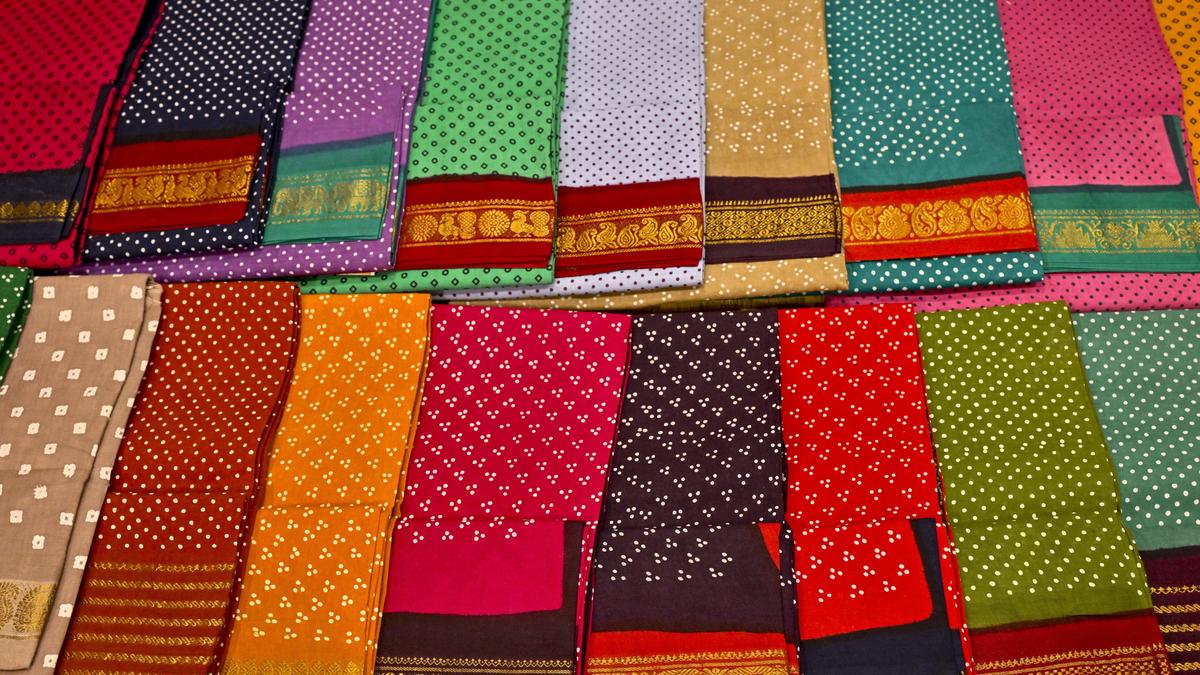
A recent article in The Hindu highlights the rich history and intricate craftsmanship of Sungudi sarees from Madurai, India. These sarees, known for their tie-and-dye technique and distinctive designs, have been perfected by the Saurashtrian community since the 17th century. Awarded a GI tag on December 12, 2005, Sungudi sarees are now seeking greater recognition on the international fashion stage. The article details the meticulous process involved in creating these garments, from hand-knotting patterns to dyeing and drying, and underscores their cultural significance as a must-have in wardrobes across generations.
Key Points:
- Sungudi sarees originated in Madurai, inspired by the night sky and crafted by handloom weavers.
- The tie-and-dye motif became synonymous with Madurai and received a GI tag in 2005.
- The Saurashtrian community, migrating from Gujarat in the 17th century, perfected the art.
- Creating a Sungudi sari takes over 15 days, with prices ranging from Rs. 500 to Rs. 20,000.
- The article advocates for showcasing Sungudi sarees in international fashion shows.
Critical Analysis:
There is no critical analysis warranted based on provided historical context.
Key Takeaways:
- Sungudi sarees represent a significant cultural and artistic heritage of Madurai.
- The GI tag acknowledges the unique origin and quality of these handloom products.
- Supporting local artisans and promoting traditional crafts is crucial for economic and cultural preservation.
- International recognition can provide a boost to the Sungudi saree industry, creating opportunities for artisans and promoting Indian textiles globally.
Impact Analysis:
The increased exposure and potential international recognition of Sungudi sarees could have a significant impact on the local economy and the livelihoods of the artisans involved. A surge in demand could lead to increased production, job creation, and the preservation of this traditional craft for future generations. Furthermore, it could inspire other local artisans and industries to seek similar recognition and promote their unique products on a global scale.
 First Piper