
Sat Feb 28 23:00:30 UTC 2026: ### India Navigates Diplomatic Tightrope as US and Israel Attacks Iran
The Story:
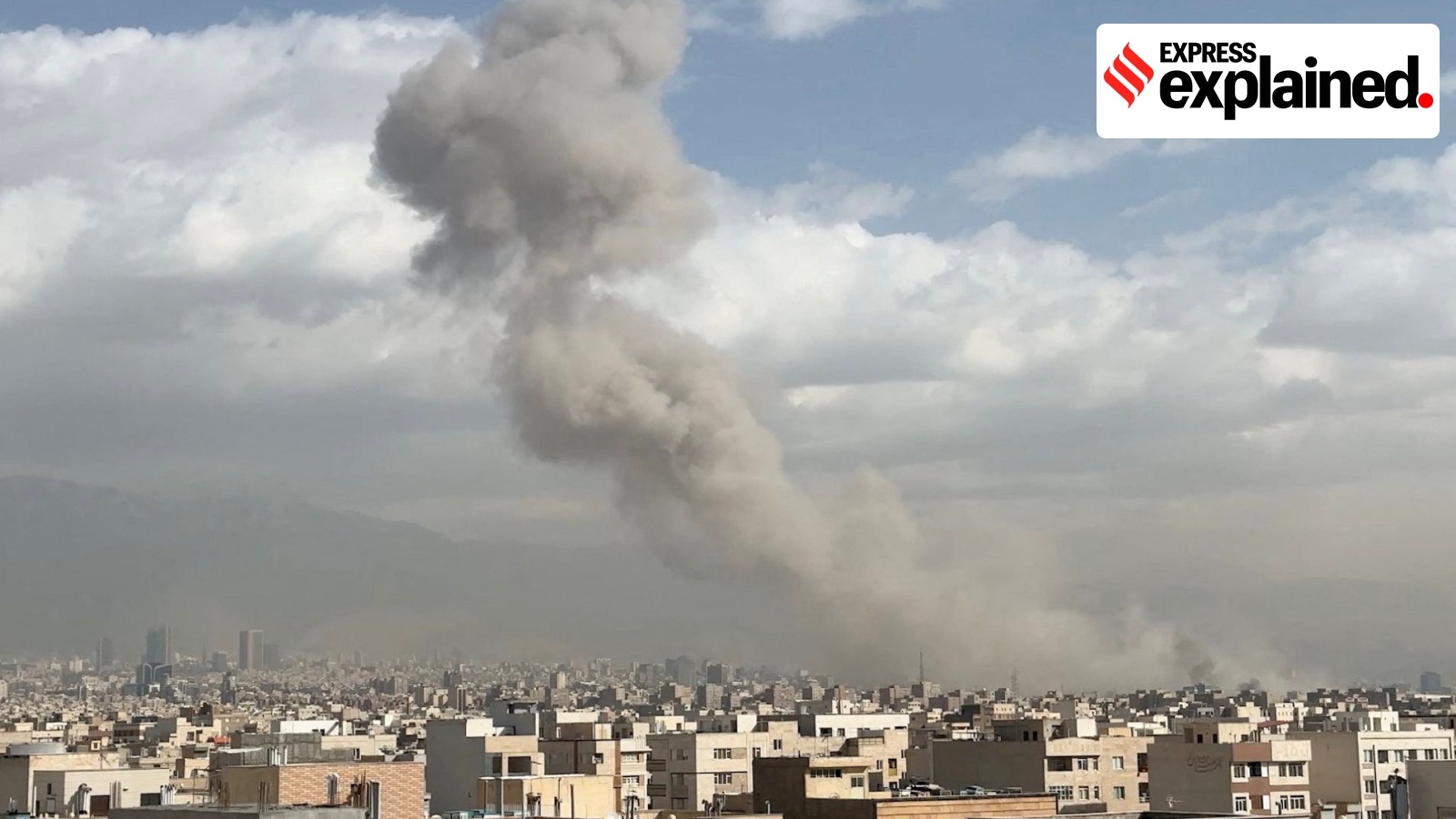
Less than 40 hours after Prime Minister Narendra Modi‘s departure from Israel, India faced a complex diplomatic challenge as tensions escalated in the Middle East following attacks by the US and Israel against Iran and retaliatory actions by Tehran against US bases in Qatar, Bahrain, and the UAE. New Delhi urged all parties to exercise restraint and pursue dialogue to de-escalate the situation, highlighting its strategic and economic interests in the region, as well as the welfare of its large diaspora. External Affairs Minister S Jaishankar engaged in discussions with his Israeli and Iranian counterparts, emphasizing India’s call for diplomacy. He also contacted regional partners, including the UAE, Qatar, Kuwait, and Bahrain, to address the safety of the Indian community.
The situation presents India with a difficult balancing act, given its strategic partnership with Israel and its historical ties with Iran, a near-neighbor. India’s immediate priorities are the safety of its citizens in the region and the potential impact on its energy supply, a significant portion of which originates from the Middle East.
Key Points:
- India calls for restraint and dialogue following attacks by the US and Israel on Iran and Iran’s retaliatory actions.
- S Jaishankar spoke with the Foreign Ministers of both Israel (Gideon Sa’ar) and Iran (Seyed Abbas Araghchi), reiterating India’s call for de-escalation through diplomacy.
- India emphasized the safety of civilians and respect for the sovereignty and territorial integrity of all states.
- The Indian government is particularly concerned about the safety of approximately 8-9 million Indians residing in the Gulf and West Asia, as well as the potential disruption of energy supplies.
- This situation is reminiscent of India’s approach to the Russia-Ukraine war, where it balanced relations with conflicting parties while prioritizing its national interests.
Critical Analysis:
The historical context provided offers limited immediate insight into why these specific attacks occurred, focusing more on the what of the escalating tensions. The statement from Iran’s Parliament Speaker calling U.S. and Israeli leaders “filthy criminals” indicates a heightened level of animosity, which likely contributes to the cycle of attacks and retaliations documented in the primary article.
Key Takeaways:
- India is committed to a neutral stance, prioritizing dialogue and de-escalation in the Middle East conflict.
- India’s primary concerns are the safety of its large diaspora in the region and the stability of its energy supply.
- India’s approach reflects a policy of strategic autonomy, aiming to maintain relationships with all parties involved while safeguarding its own interests.
- Escalating tensions and direct US involvement may limit India’s ability to maintain a calibrated ambiguity.
Impact Analysis:
The unfolding events have significant long-term implications for India. The stability of the Middle East is crucial for India’s economic and strategic interests. Continued conflict could disrupt energy supplies, impact trade routes, and endanger the lives of millions of Indian citizens. India’s ability to navigate this complex situation will test its diplomatic capabilities and its commitment to strategic autonomy. A widening conflict could force India to make difficult choices, potentially straining its relationships with key partners.
 First Piper