
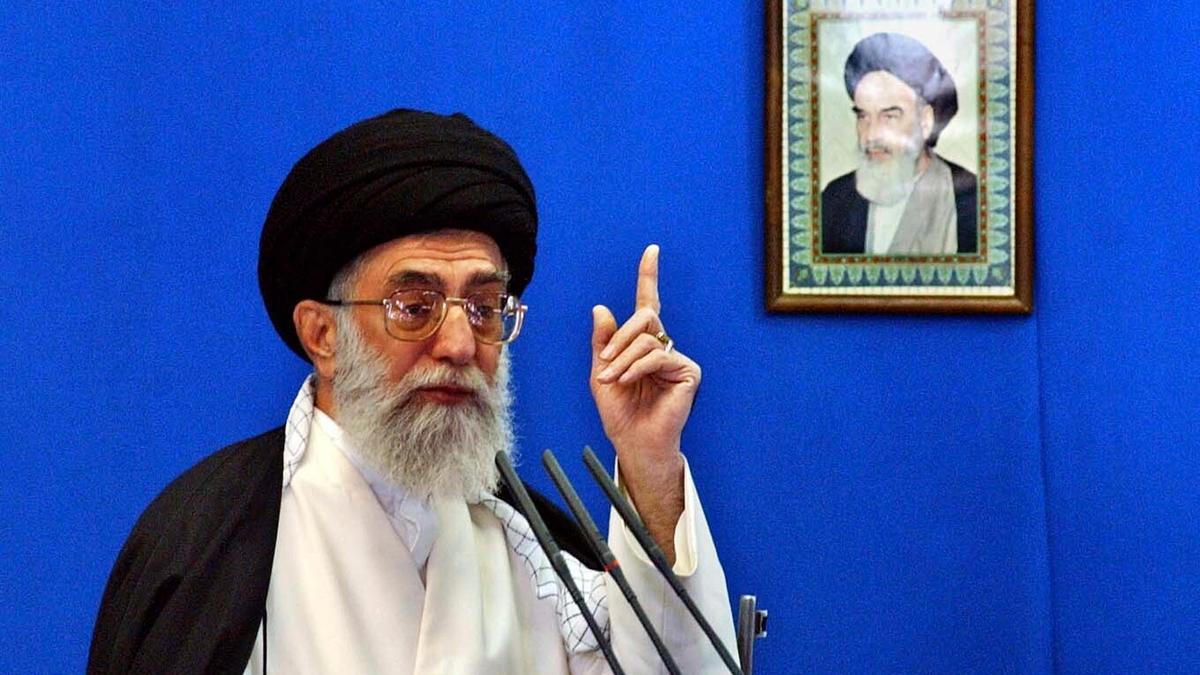
Sun Mar 01 04:35:37 UTC 2026: # Khamenei Assassinated in Joint US-Israeli Strike, Igniting Regional Tensions
The Story:
Ayatollah Seyyed Ali Khamenei, the Supreme Leader of Iran since 1989, was assassinated in a joint Israeli-American strike on February 28, 2026. The assassination has sent shockwaves throughout the region, with Iran vowing retaliation against both the U.S. and Israel. U.S. President Donald Trump hailed Khamenei’s death as an opportunity for Iranians to “take back” their country, while the region braces for a potential escalation of conflict.
Key Points:
- Ayatollah Seyyed Ali Khamenei was assassinated on February 28, 2026 in a joint U.S.-Israeli strike.
- The U.S. President Donald Trump described Khamenei as “one of the most evil people in history.”
- Iran has vowed retaliation with strikes against U.S. bases in the region and Israel.
- Khamenei became Supreme Leader in 1989 after the death of Ayatollah Ruhollah Khomeini.
- Khamenei’s rule saw both economic hardship and political unrest, exacerbated by Western sanctions and internal repression.
- Israel had previously attacked Iran-backed militias in West Asia, weakening Iran’s regional influence.
- The assassination follows a period of escalating tensions between Iran, Israel, and the U.S., particularly after the October 7, 2023 Hamas attack.
Critical Analysis:
The assassination of Khamenei represents a significant escalation in the ongoing conflict between Iran, Israel, and the United States. The timing, following a period of weakened Iranian influence and increased Israeli aggression against its regional proxies, suggests a deliberate strategy to destabilize the Iranian regime. The U.S.’s open support for regime change further underscores this objective. The historical context of U.S. involvement in Iranian politics, particularly the 1953 coup, highlights a long-standing pattern of intervention aimed at shaping Iran’s political trajectory.
Key Takeaways:
- The assassination of Khamenei is a high-risk gamble that could lead to widespread regional conflict.
- The U.S. and Israel are pursuing a strategy of regime change in Iran.
- Iran’s weakened regional position made it vulnerable to direct attack.
- The assassination creates a power vacuum within Iran, potentially leading to internal instability.
- The international community faces a critical challenge in preventing further escalation.
Impact Analysis:
The assassination of Khamenei has far-reaching implications for the Middle East and beyond.
- Immediate Impact: Expect immediate retaliatory strikes by Iran against U.S. and Israeli targets.
- Regional Instability: The power vacuum in Iran could embolden regional actors and exacerbate existing conflicts.
- Global Oil Markets: Increased instability in the Middle East could disrupt global oil supplies and drive up prices.
- Nuclear Program: The assassination could lead Iran to accelerate its nuclear program as a deterrent.
- Long-Term Geopolitical Shift: The outcome of this conflict could reshape the political landscape of the Middle East for decades to come.
 First Piper