
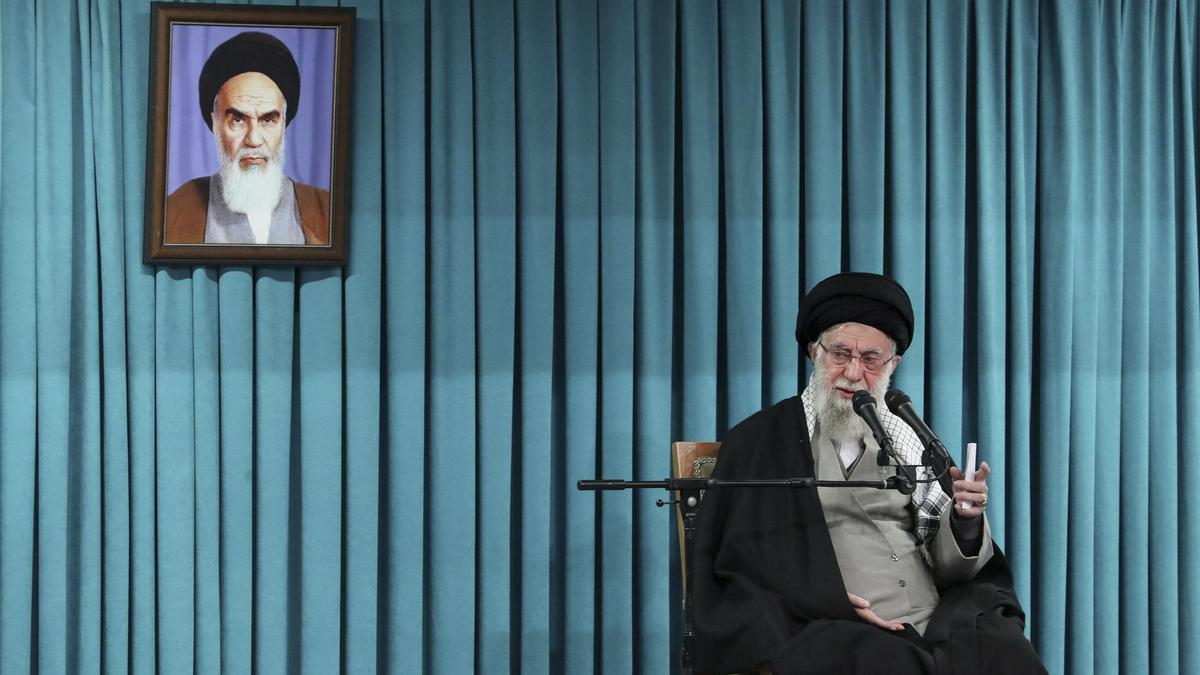
Sun Mar 01 03:46:59 UTC 2026: ### Headline: Khamenei Dead After US-Israeli Strike, Raising Regional Instability Fears
The Story:
Iranian Supreme Leader Ayatollah Ali Khamenei has died following a joint US-Israeli attack, confirmed by Iranian state media on Sunday, March 1, 2026. The death, preceded by escalating tensions and a US-justified assault on Iran’s nuclear capabilities, throws the future of the Islamic Republic into uncertainty. President Donald Trump announced the death, framing it as an opportunity for Iranians to “take back” their country, and warned of continued bombings. In response, Iran has warned of retribution, with the Secretary of Iran’s National Security Council promising an “unforgettable lesson” to the aggressors.
Key Points:
- Iranian Supreme Leader Ayatollah Ali Khamenei died following a US-Israeli attack.
- The attack also reportedly killed Khamenei’s daughter, son-in-law, and granddaughter.
- Donald Trump announced the death and warned of continued bombings.
- Iranian media announced a 40-day mourning period and seven public holidays.
- Iran vowed retribution for the attack.
- A council consisting of the Iranian President, Head of the Judiciary, and a jurist of the Guardian Council will temporarily assume leadership duties.
- Eyewitnesses in Tehran reported some residents were rejoicing at the news.
Critical Analysis:
The aggressive stance of the second Trump administration, following through on threats to dismantle Iran’s nuclear program, has resulted in a direct confrontation. The killing of Khamenei, the supreme leader, represents a significant escalation after a previous assault eight months prior. The reference to Trump’s “America First” platform juxtaposed with this military intervention highlights a potential shift in US foreign policy, despite campaign promises.
Key Takeaways:
- The death of Ayatollah Ali Khamenei creates a power vacuum in Iran, potentially leading to internal instability.
- The US-Israeli strike significantly escalates the conflict with Iran, increasing the risk of wider regional war.
- Iran’s vow of retribution suggests further attacks are imminent.
- The reported rejoicing among some Tehran residents indicates internal dissent and potential for anti-government sentiment.
- The interim leadership council suggests a planned succession process, but its effectiveness remains to be seen.
Impact Analysis:
The assassination of Khamenei has far-reaching implications. The immediate impact is increased regional instability, with the potential for retaliatory attacks against US and Israeli interests. In the long term, the absence of a clear successor could lead to a power struggle within Iran, potentially altering the political landscape of the Middle East. Depending on who assumes power, Iran’s foreign policy could shift, impacting global alliances and nuclear proliferation efforts. The event may also embolden other nations to take similar pre-emptive actions against perceived threats, further destabilizing international relations. The economic implications, particularly regarding oil prices and trade routes, also warrant close monitoring.
 First Piper