
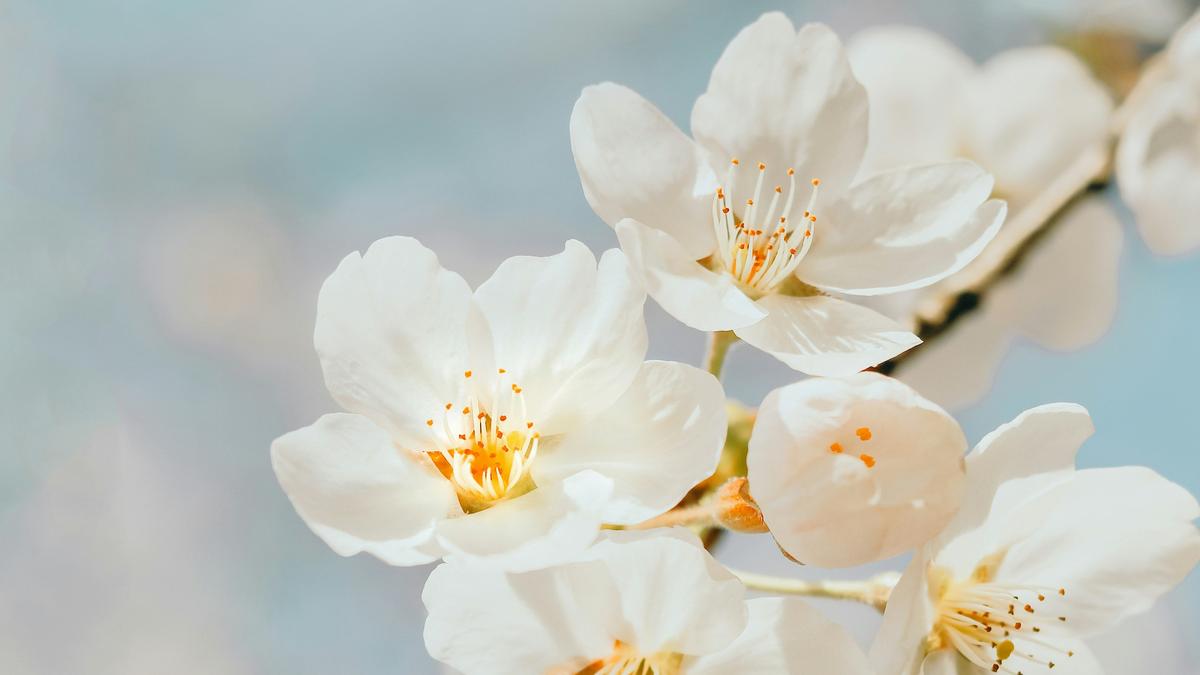
Wed Feb 25 09:42:15 UTC 2026: # Decoding Flower Petal Formation: A Look at Plant Genetics and Evolution
The Story
An article published in The Hindu on February 25, 2026, delves into the fascinating world of flower petal formation, explaining the genetic and evolutionary factors that determine the number of petals in different flowering plants. The piece highlights the variation in petal numbers across species, noting that monocots typically have flower parts in threes, while eudicots have four or five. It explains that the number of petals is determined early in the flower bud’s development, with the number of “slots” laid down in a ring of tissue dictating the final count. The article emphasizes that genes control the dynamics of growth, rather than dictating an exact petal number, influenced by factors like meristem size and the timing of organ development.
Key Points
- Many flowers are pentamerous, but petal number varies widely across flowering plants.
- Monocots often have flower parts in threes, while eudicots have four or five.
- The number of petals is determined by the number of “slots” laid down in a ring of tissue within the flower bud.
- Plant genes control the dynamics of growth, rather than the exact number of petals.
- Meristem size and timing of organ development influence the number of petals.
Key Takeaways
- Flower petal formation is a complex process influenced by both genetic and environmental factors.
- The diversity in petal numbers reflects the evolutionary history of flowering plants.
- Understanding the dynamics of plant growth can provide insights into the development of new tissues and organs.
 First Piper