
Thu Feb 26 13:34:00 UTC 2026: # Gandhi Slams Government’s Crackdown on Protests, Cites Authoritarianism
The Story:
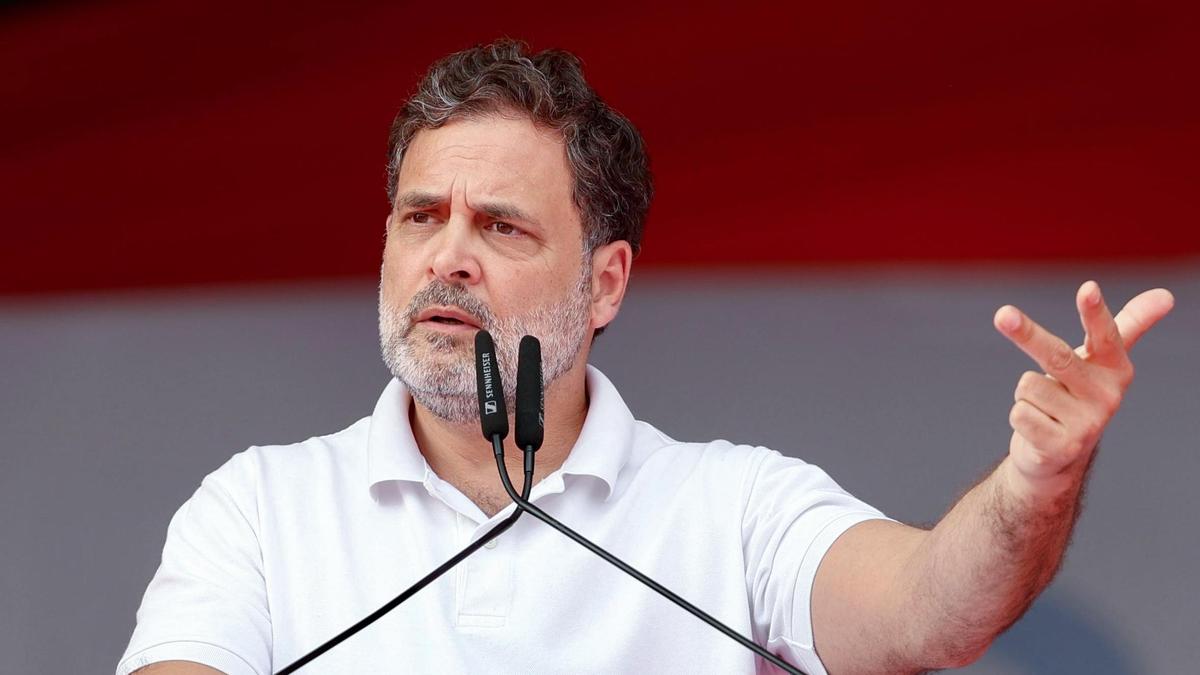
Congress leader Rahul Gandhi has launched a scathing critique of the Narendra Modi government, accusing it of stifling dissent and behaving like an authoritarian regime akin to North Korea. His remarks follow the arrest of Youth Congress activists protesting a U.S. trade deal and come in the wake of a “shirtless protest” at the AI Summit. Gandhi argues that peaceful protest, a cornerstone of democracy, is being criminalized, and that those in power are equating themselves with the nation.
Key Points:
- Rahul Gandhi criticized the police action against Youth Congress activists protesting a U.S. trade deal and the “shirtless protest” at the AI Summit.
- He compared the Modi government’s actions to those of North Korea, stating, “This is India, not North Korea.”
- Gandhi asserted that peaceful protest is the soul of democracy, and dissent is being labeled as treason.
- He cited instances of alleged government suppression, including the treatment of women wrestlers, farmers, and environmental activists.
- The “shirtless protest” at Bharat Mandapam on February 20, 2026, led to the arrest of 11 people, including Indian Youth Congress (IYC) president Uday Bhanu Chib, and former national spokesperson, Bhudev Sharma.
Critical Analysis:
The timing of Gandhi’s statement, amidst the ICC T20 World Cup and news of strengthened ties with Israel, suggests a deliberate attempt to steer the national conversation towards domestic political concerns. The reference to North Korea serves as a potent rhetorical device, aiming to galvanize opposition and highlight perceived authoritarian tendencies within the ruling government.
Key Takeaways:
- The opposition is escalating its rhetoric against the government, portraying it as increasingly authoritarian.
- The government’s response to protests is under intense scrutiny, with allegations of excessive force and suppression of dissent.
- The issue of free speech and the right to protest is becoming a central battleground in Indian politics.
- International events, such as trade deals, are being used as triggers for domestic political mobilization.
- The invocation of “anti-national” labels against protesters is a recurring theme, indicating a polarized political climate.
Impact Analysis:
Gandhi’s remarks are likely to further polarize the political landscape, potentially energizing opposition forces and increasing scrutiny of government actions. The allegations of authoritarianism, if they gain traction, could damage India’s international image and raise concerns among human rights organizations. The long-term impact will depend on the government’s response and whether it addresses the concerns raised by the opposition.
 First Piper