
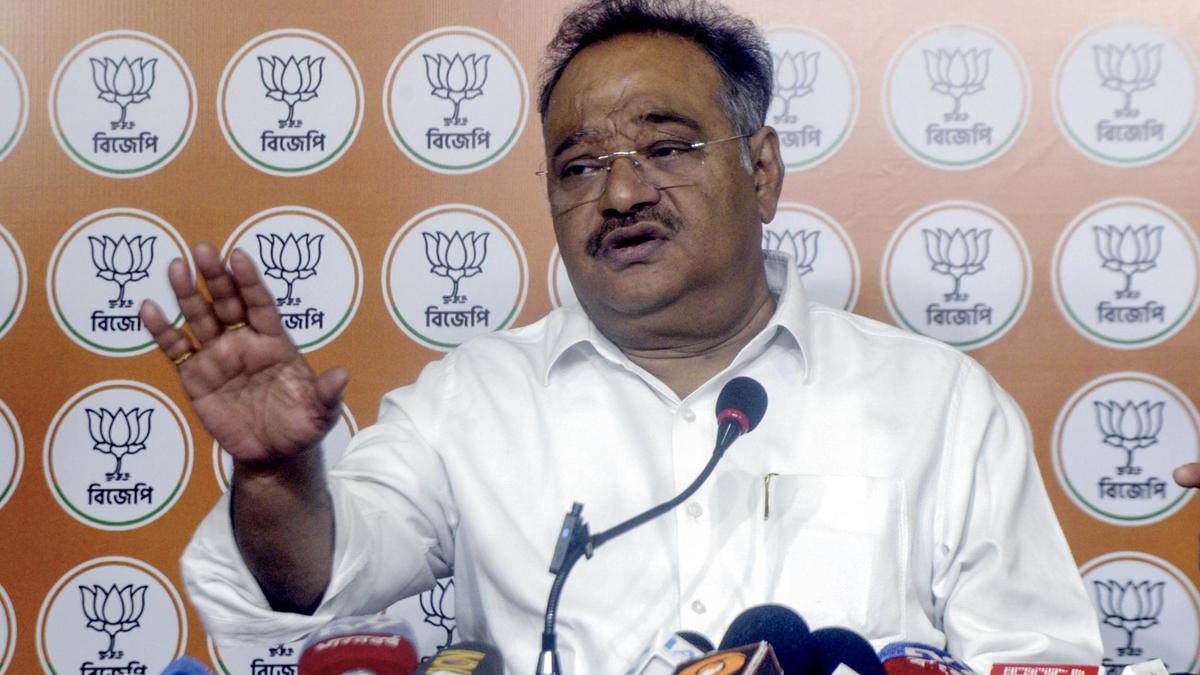
Wed Feb 25 19:05:11 UTC 2026: ### BJP Strategizes for West Bengal Assembly Elections, Focuses on Polarization and Anti-TMC Voters
The Story:
The Bharatiya Janata Party (BJP) in West Bengal is formulating its strategy for the upcoming Assembly elections, focusing on two main approaches. The first involves polarizing voters by highlighting alleged infiltration from Bangladesh, particularly in border districts. This strategy hinges on portraying the State government as uncooperative in controlling the border due to its reliance on minority votes. The second approach centers on attracting anti-Trinamool Congress (TMC) voters, especially former Left Front supporters, who significantly contributed to the BJP’s gains in the 2019 Lok Sabha and 2021 Assembly elections. The party aims to consolidate these votes behind the BJP to defeat the incumbent TMC government.
Key Points:
- The BJP aims to appeal to both Sangh Parivar-aligned voters and anti-Trinamool/Left Front voters.
- The party is using the recent Bangladesh general elections, where the Bangladesh Jamaat-e-Islami (JeI) made significant gains in border regions, to support its infiltration narrative.
- The BJP acknowledges that former Left Front supporters played a crucial role in their 2019 Lok Sabha success, where they won 18 seats and 40.2% of the vote share.
- West Bengal BJP president Samik Bhattacharya is calling for voters to set aside ideological differences and unite to remove the TMC from power.
- The BJP recognizes the challenges in winning over voters from ideological rivals but believes it is essential for success.
Critical Analysis:
The historical context reveals a situation where judicial officers are heavily involved in the State Identity Register (SIR) process in West Bengal. Mamata Banerjee claims 1.2 crore names may be deleted after the SIR in Bengal. This context is crucial. The BJP’s focus on infiltration aligns directly with the SIR process, suggesting they intend to capitalize on the anxieties and potential disenfranchisement arising from the SIR to bolster their polarization strategy. The fact that the Supreme Court is addressing issues related to admit cards and pass certificates being accepted for the SIR indicates potential administrative challenges and public concern, which the BJP will likely exploit.
Key Takeaways:
- The BJP’s strategy is two-pronged: polarization based on alleged infiltration and consolidation of anti-TMC votes, particularly former Left Front supporters.
- The party is using the political climate in Bangladesh to fuel its narrative of demographic change in West Bengal.
- The BJP acknowledges the importance of anti-TMC voters who shifted to the party in previous elections.
- The SIR process and related controversies provide fertile ground for the BJP’s polarization strategy.
Impact Analysis:
The BJP’s strategy, especially its focus on infiltration and the SIR, has the potential to further polarize West Bengal’s electorate along communal lines. The success of this strategy could reshape the state’s political landscape, potentially marginalizing minority communities and altering voting patterns. The focus on attracting former Left Front voters suggests a longer-term realignment of political forces in the state, where anti-establishment sentiment is channeled towards the BJP. The long-term impact could involve a significant shift in West Bengal’s political identity, moving away from its traditional Left-leaning orientation towards a more right-wing, nationalistic alignment.
 First Piper