
Thu Feb 26 05:47:25 UTC 2026: # Supreme Court Addresses NCERT Textbook’s “Corruption in Judiciary” Chapter
The Story:
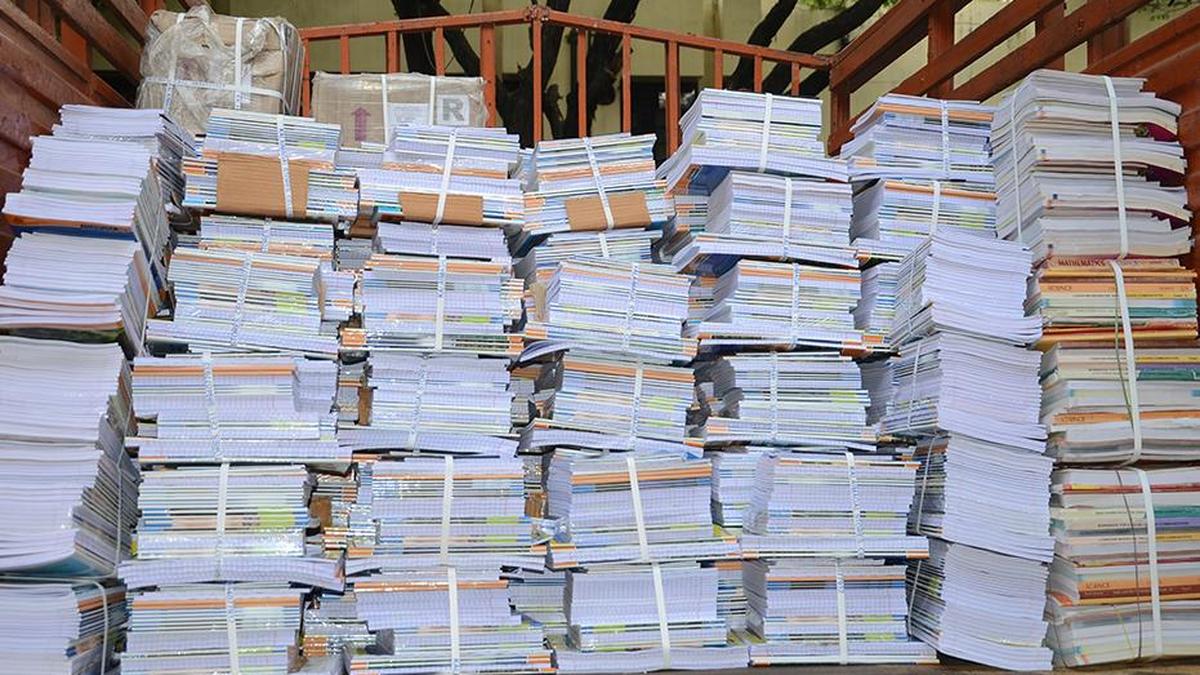
The Supreme Court, led by Chief Justice of India Surya Kant, has taken suo motu cognizance of a chapter in the new NCERT Class 8 Social Science textbook titled “The Role of the Judiciary in Our Society,” specifically focusing on its inclusion of “corruption” within the judiciary. The court expressed serious concerns regarding the potential negative impact of such content on young minds and the judiciary’s reputation. Following the court’s intervention, the NCERT issued a statement apologizing for the “inappropriate textual material” and halted the distribution of the book.
Key Points:
- The Supreme Court initiated a suo motu case regarding the NCERT textbook chapter on the judiciary.
- CJI Surya Kant emphasized the need to protect the “pedagogical sanctity” and prevent biased misconceptions from influencing students.
- The NCERT apologized for the “inappropriate textual material” and stopped the distribution of the textbook.
- The court views the chapter as potentially undermining the institutional authority and dignity of the judiciary.
- The Solicitor General stated that the individuals responsible for the chapter would not be associated with any ministry and that 32 books would be withdrawn.
- The court suspects a “deep-rooted conspiracy” against the judiciary.
- Senior Advocate Kapil Sibal pointed out the textbook’s availability in PDF format, raising concerns about its continued circulation.
Key Takeaways:
- The judiciary is highly sensitive to any perceived criticism that could undermine its authority and public image.
- The incident highlights the significant power and influence of educational materials in shaping public opinion, particularly among young students.
- The Supreme Court is willing to take immediate action to address concerns about the portrayal of the judiciary in educational content.
- The speed with which the NCERT responded suggests the gravity of the court’s concerns.
Impact Analysis:
This event could lead to stricter oversight of NCERT textbook content, particularly concerning sensitive topics related to governmental institutions. It may also prompt a broader discussion about the balance between academic freedom, critical analysis, and the need to maintain public trust in key institutions. The incident could potentially chill legitimate discussions about judicial reform and accountability if perceived as an attempt to stifle criticism.
 First Piper