
Thu Feb 26 04:48:02 UTC 2026: Headline: Supreme Court Addresses NCERT Textbook’s “Corruption” Chapter; NCERT Apologizes and Halts Distribution
The Story:
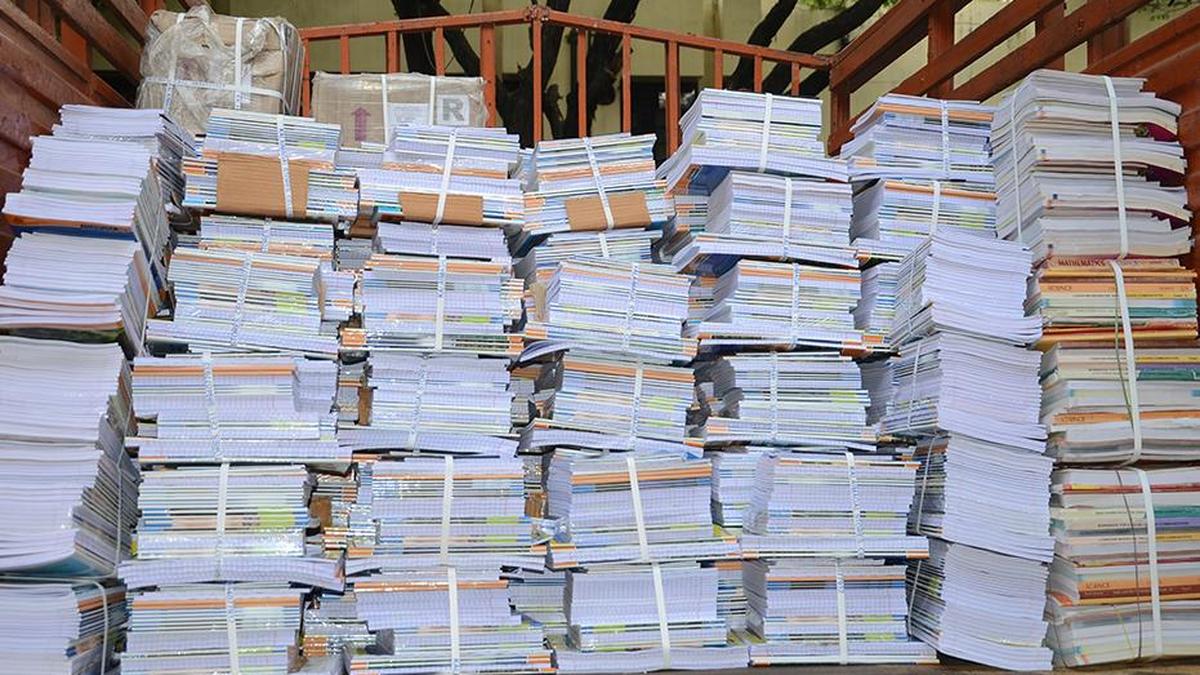
The Supreme Court of India has initiated a suo motu case concerning a chapter in the NCERT’s Class 8 Social Science textbook titled ‘The Role of the Judiciary in Our Society,’ specifically addressing the inclusion of “corruption” within the judiciary. The article details that a three-judge bench headed by Chief Justice of India Surya Kant will hear the case on February 26, 2026. Following the Supreme Court’s intervention, the NCERT issued a statement apologizing for the “inappropriate textual material” and “error in judgement,” and confirmed that the distribution of the book has been stopped.
Key Points:
- The Supreme Court registered a suo motu case regarding the NCERT textbook.
- The textbook chapter in question discusses “corruption” within the judiciary.
- The NCERT has apologized for the inclusion of the controversial content.
- The NCERT has stopped the distribution of the Class 8 Social Science textbook.
- A three-judge bench led by Chief Justice Surya Kant will hear the case.
Critical Analysis:
The speed at which the NCERT issued an apology and halted distribution after the Supreme Court took notice suggests a significant sensitivity surrounding the issue of judicial corruption. The fact that the Supreme Court initiated a suo motu case highlights the gravity with which the judiciary views any public discussion, particularly one presented to young students, that could potentially undermine its integrity. The NCERT’s scramble to retrieve distributed copies (as noted in the historical context) further underscores the urgency to contain the narrative.
Key Takeaways:
- The Indian judiciary is highly sensitive to portrayals of corruption within its ranks.
- The NCERT is under scrutiny for its educational content, particularly regarding sensitive topics.
- The Supreme Court is proactive in addressing issues that could potentially erode public trust in the judiciary.
- The incident highlights the ongoing challenges related to transparency and accountability within the Indian judicial system.
Impact Analysis:
This event could lead to a more rigorous review process for NCERT textbooks, with potentially increased oversight from the judiciary or other governmental bodies. It might also spur a broader public discussion about judicial reforms and measures to combat corruption within the system. The incident serves as a cautionary tale for educational institutions to carefully consider the potential impact of their curriculum on public perception and institutional integrity. In the long term, this event may influence how the judiciary is portrayed in educational materials and the public discourse surrounding judicial ethics.
 First Piper