
Thu Feb 26 07:53:42 UTC 2026: ### Headline: US and China Reach “Strategic Stability” Amidst Lingering Tensions
The Story:
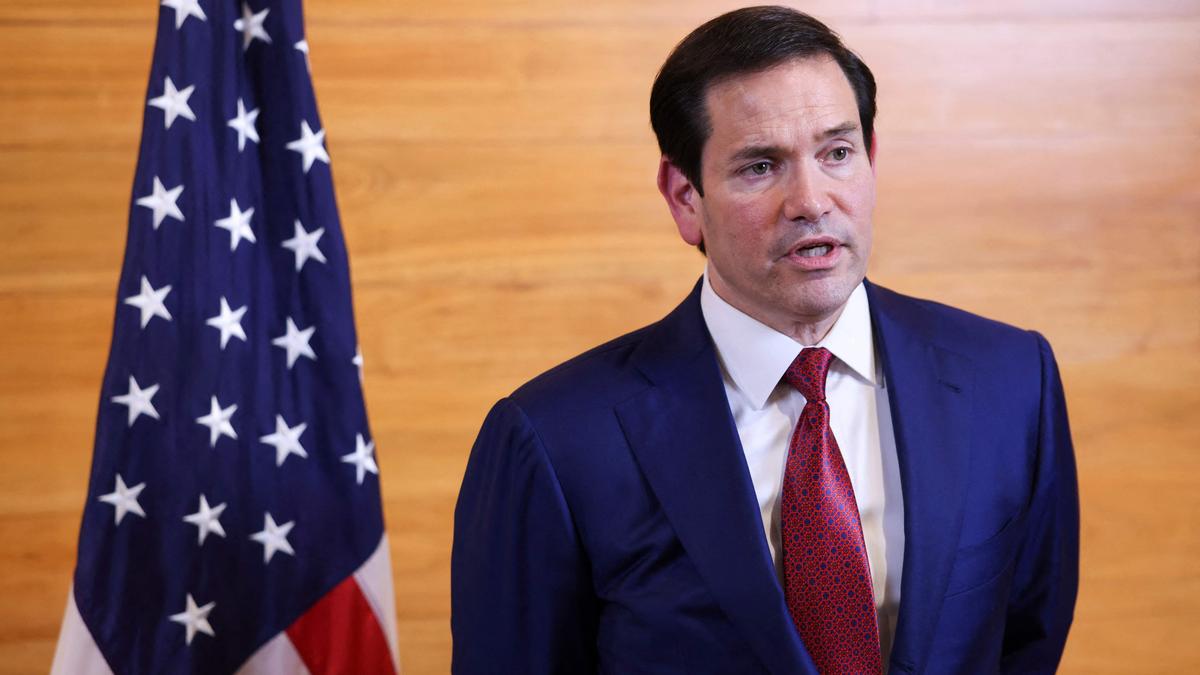
In a significant development, US Secretary of State Marco Rubio announced on Wednesday, February 25, 2026, that the United States and China have reached a point of “strategic stability” in their relationship. This announcement comes ahead of President Donald Trump’s scheduled visit to China from March 31 to April 2, marking his first trip to the country during his second term. Despite this apparent stability, Rubio emphasized that the US will continue to address concerns such as diversifying supply chains away from China and pushing for a trilateral nuclear arms deal involving the US, Russia, and China.
Key Points:
- Marco Rubio, US Secretary of State, declared that the US and China have reached a state of “strategic stability.”
- This announcement precedes President Donald Trump’s visit to China from March 31 to April 2, 2026.
- Rubio stated that both countries realized a full-blown trade war would be detrimental to both nations and the world.
- The US will continue to raise concerns about supply chain diversification and push for a trilateral nuclear deal.
- China has publicly refused to participate in a three-way nuclear agreement.
- Rubio, while a senator in 2020, was sanctioned by China for his advocacy for human rights in Hong Kong and regarding the Uyghur minority.
- A US official met with representatives from Russia and China in Geneva following the expiration of the New START treaty.
Critical Analysis:
The announcement of “strategic stability” is likely a calculated move ahead of President Trump’s visit. Given Rubio’s history as a China hawk and the sanctions imposed on him by China, his endorsement of “stability” suggests a pragmatic shift driven by the mutual recognition of the damaging consequences of a full trade war. The timing of the announcement, coupled with continued US concerns, indicates a desire to manage the relationship while still addressing key strategic disagreements.
Key Takeaways:
- The US and China are attempting to stabilize their relationship, likely to avoid economic conflict.
- Despite the appearance of stability, significant tensions and disagreements remain.
- The US will continue to pressure China on issues such as human rights, supply chains, and nuclear arms control.
- Secretary Rubio, a known China critic, is playing a key role in managing this complex relationship.
- The upcoming Trump visit is likely intended to solidify this “strategic stability” and address ongoing concerns.
Impact Analysis:
The establishment of “strategic stability,” however fragile, could have significant long-term implications. This could lead to:
- Reduced Trade War Risk: A lower risk of escalating tariffs and trade barriers, benefiting global markets.
- Limited Cooperation: Potential for limited cooperation on global issues such as climate change or pandemics, despite ongoing disagreements.
- Continued Strategic Competition: A continued rivalry in areas such as technology, military influence, and geopolitical power, albeit within a more managed framework.
- Regional Implications: The balance of power in Asia could be affected as other nations react to the US-China relationship.
 First Piper