
Thu Feb 26 08:35:52 UTC 2026: ### Modi Solidifies India-Israel Ties Amid Regional Tensions
The Story:
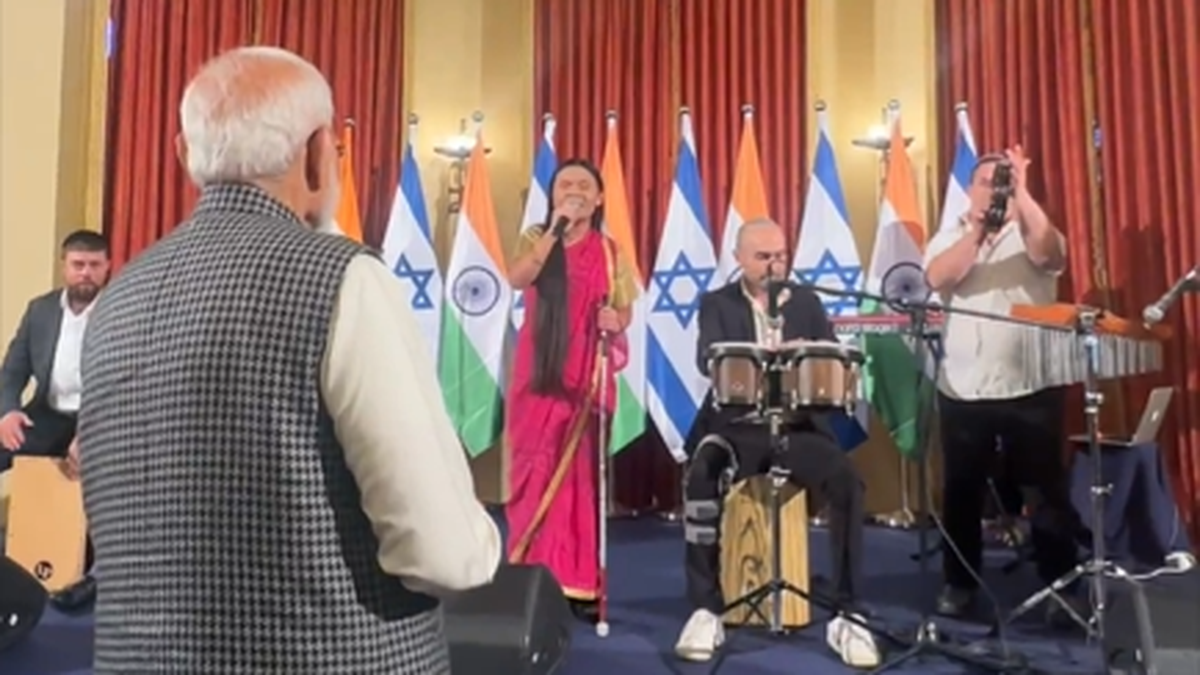
On February 26, 2026, Prime Minister Narendra Modi concluded his two-day visit to Israel, marked by delegation-level talks with Israeli Prime Minister Benjamin Netanyahu, the exchange of MoUs, and engagement with the Indian-Jewish community. The visit included paying respects at Yad Vashem, Israel’s Holocaust memorial, and a meeting with Israeli President Isaac Herzog to discuss bilateral ties. Modi’s visit unfolded against a backdrop of regional tensions, evidenced by an Israeli military incursion into Syria, and domestic political criticism in India regarding his stance on the Israeli-Palestinian conflict.
Key Points:
- February 26, 2026: PM Modi concludes his two-day visit to Israel.
- He held delegation-level talks with Israeli Prime Minister Benjamin Netanyahu.
- He visited Yad Vashem, Israel’s official Holocaust memorial.
- He met with Israeli President Isaac Herzog to discuss bilateral ties.
- First round of negotiations for a free trade agreement (FTA) between India and Israel concluded.
- Modi addressed the Knesset on February 25, 2026, condemning the October 7 Hamas attack.
- The Hebrew University of Jerusalem thanked Modi for his “courageous words” and emphasized academic collaborations.
- Congress party criticized Modi’s Knesset speech.
Critical Analysis:
The timing of Modi’s visit, coinciding with regional instability (Israeli incursion into Syria) and domestic criticism, suggests a calculated decision to reaffirm India’s commitment to its strategic partnership with Israel, despite potential diplomatic challenges. Modi’s condemnation of the Hamas attack and support for the Gaza Peace Initiative reflect India’s effort to balance its relationship with Israel while maintaining a stance on peace-building in the region. The emphasis on academic collaboration, highlighted by the Hebrew University’s statement, underscores the deepening ties beyond political and economic spheres.
Key Takeaways:
- India is prioritizing its strategic relationship with Israel, even amidst regional and international pressures.
- Modi’s visit signals a clear departure from Nehru’s views on Israel, causing domestic political debate.
- The deepening of academic ties between Indian and Israeli institutions is a significant aspect of the growing partnership.
- India is attempting to balance its support for Israel with its commitment to peace in the region, as evidenced by Modi’s support for the Gaza Peace Initiative.
- Modi’s popularity as a global leader is reflected in his large social media following, providing him with a platform to directly engage with international audiences.
Impact Analysis:
Modi’s visit and the deepening India-Israel relationship are likely to have several long-term impacts:
- Geopolitical Realignment: Strengthened ties could lead to a shift in regional dynamics, influencing alliances and power balances in the Middle East.
- Economic Growth: The FTA negotiations and increased collaboration in various sectors, including technology and defense, could boost economic growth in both countries.
- Technological Advancement: Collaboration in academic and research fields could lead to advancements in areas like agriculture, water management, and cybersecurity.
- Diaspora Relations: The engagement with the Indian-Jewish community strengthens diaspora ties and promotes cultural exchange.
- Domestic Political Landscape: Modi’s approach to Israel will likely continue to be a point of contention in Indian domestic politics, shaping the narrative around India’s foreign policy.
 First Piper