
Thu Feb 26 11:25:39 UTC 2026: ### India and Israel Expand Ties in Innovation, Agriculture, and Counter-Terrorism
The Story:
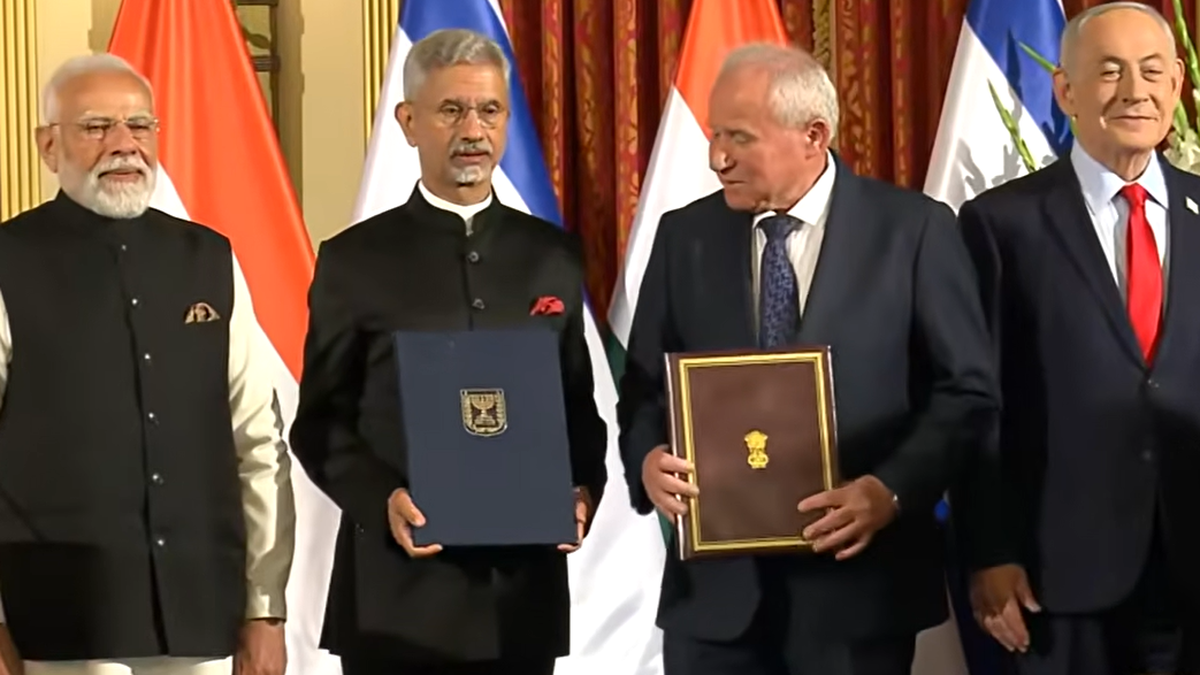
Prime Minister Narendra Modi concluded his two-day visit to Israel on February 26, 2026, marked by the signing of several agreements to expand cooperation across various sectors, including innovation and agriculture. Discussions with Israeli President Isaac Herzog focused on enhancing collaboration in education, start-ups, technology, and connectivity. Both leaders emphasized their shared stance against terrorism and agreed on the implementation of UPI in Israel. The visit also included paying respects at Yad Vashem, Israel’s Holocaust memorial.
Key Points:
- February 26, 2026: PM Modi concludes his visit to Israel after meeting President Herzog.
- Agreements signed to expand ties in innovation and agriculture.
- Discussions covered education, start-ups, technology, and connectivity.
- Modi invited Herzog to visit India.
- India and Israel affirmed their opposition to terrorism.
- Agreement reached for the use of UPI in Israel.
- Modi paid respects at Yad Vashem.
- Congress leader Anand Sharma criticized the visit, citing concerns about India endorsing actions in Gaza.
- First round of FTA negotiations ends on February 26, 2026.
Key Takeaways:
- India and Israel are solidifying their strategic partnership across multiple sectors.
- Counter-terrorism is a key area of alignment between the two nations.
- Economic cooperation is set to deepen with the implementation of UPI in Israel and ongoing FTA negotiations.
- The visit is not without controversy, raising concerns about India’s stance on the Israeli-Palestinian conflict.
- The deepening ties are viewed by Israeli leadership as essential for the future of both the Middle East and India.
Impact Analysis:
The strengthening of India-Israel ties has significant long-term implications:
- Economic Growth: Increased collaboration in technology, agriculture, and innovation can drive economic growth in both countries. The implementation of UPI in Israel facilitates easier financial transactions and boosts trade.
- Strategic Alignment: Shared concerns about terrorism and regional security will likely lead to closer cooperation in defense and intelligence.
- Geopolitical Ramifications: The strengthening alliance could reshape regional dynamics, potentially impacting India’s relations with other countries in the Middle East and the Global South. India will need to carefully manage its relationships to balance its interests.
- Technological Advancement: Collaboration in technology sectors can lead to advancements and knowledge sharing, benefiting both countries.
 First Piper