
Thu Feb 26 09:42:29 UTC 2026: Headline: India and U.S. Navigate Trade Agreement After Supreme Court Blow to Tariffs
The Story:
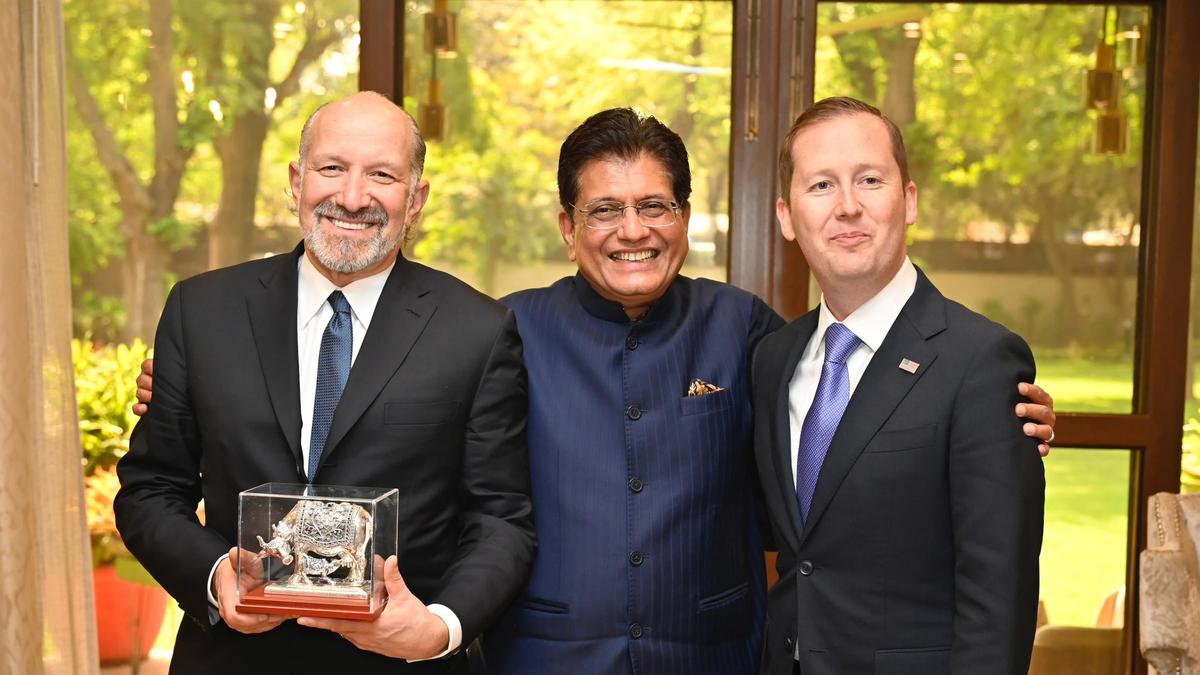
Indian Commerce and Industry Minister Piyush Goyal held discussions with U.S. Secretary of Commerce Howard Lutnick and U.S. Ambassador to India Sergio Gor in New Delhi on February 26, 2026, following the postponement of a crucial meeting to finalize an Interim Agreement on trade between the two nations. This postponement was triggered by the U.S. Supreme Court’s decision to strike down President Donald Trump’s use of legislation to impose tariffs on partner countries, including India. Despite the setback, both sides expressed optimism about expanding trade and economic partnerships.
Key Points:
- Piyush Goyal met with Howard Lutnick and Sergio Gor on February 26, 2026, to discuss trade.
- A planned meeting to finalize the Interim Agreement on trade was postponed due to the U.S. Supreme Court striking down tariff legislation.
- The Interim Agreement aimed to be signed in mid-March and implemented by early April.
- The Indian government is studying the implications of the Supreme Court decision but has not indicated a re-thinking of the Interim Agreement.
- Howard Lutnick assured U.S. trade partners that existing deals would be honored despite the Supreme Court ruling.
Critical Analysis:
The timing of the Supreme Court decision, immediately preceding the planned finalization of the Interim Agreement, suggests a period of uncertainty and potential renegotiation. Lutnick’s proactive assurance to trade partners reveals an effort to maintain confidence and stability in the face of legal challenges, implying a strategic understanding of the fragility of international trade relations under fluctuating domestic legal landscapes.
Key Takeaways:
- The U.S. Supreme Court’s decision has introduced uncertainty into the India-U.S. trade agreement process.
- Both countries remain committed to pursuing a trade deal despite the legal challenges.
- The U.S. is actively working to reassure trade partners that existing agreements will be upheld.
- The Indian government is carefully assessing the implications of the Supreme Court ruling.
Impact Analysis:
The long-term impact hinges on how India and the U.S. adapt to the changed legal landscape. The successful navigation of this challenge could strengthen the bilateral trade relationship, demonstrating resilience in the face of domestic political and legal shifts. However, failure to adapt could lead to delays, renegotiations, or even the collapse of the Interim Agreement, potentially damaging trade relations and hindering economic cooperation. The outcome will likely set a precedent for how future trade agreements are structured and implemented, particularly in the context of evolving domestic legal environments.
 First Piper