
Thu Feb 26 01:27:13 UTC 2026: ### Pakistan Prioritizes Visibility Over Action in Gaza Stabilization Force
The Story:
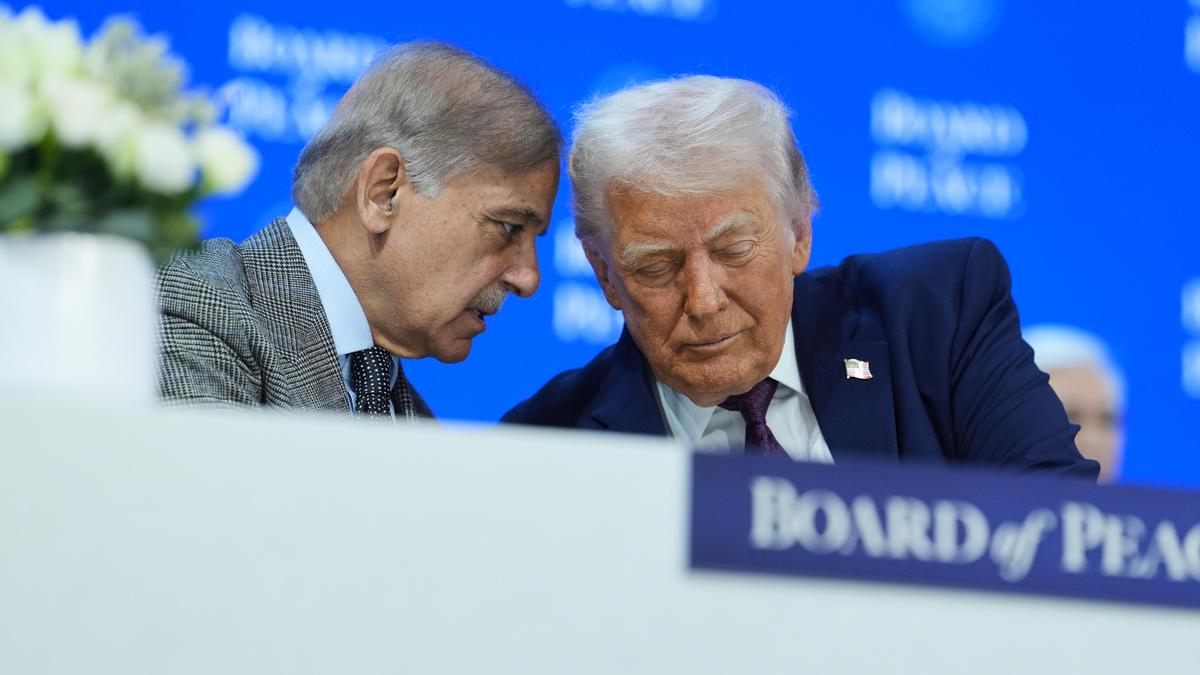
In a move highlighting Pakistan’s complex foreign policy strategy, Prime Minister Shehbaz Sharif attended the inaugural meeting of the Board of Peace (BoP), organized by U.S. President Donald Trump in January 2026. While projecting an image of support for the Palestinian cause and a desire for regional influence, Pakistan declined to commit troops to the International Stabilization Force in Gaza. This decision reflects a careful balancing act between seeking international visibility, managing domestic political pressures, and navigating its strategic rivalry with India.
Key Points:
- Pakistan attended the BoP meeting organized by President Trump to enhance its global visibility and avoid diplomatic marginalization.
- Despite projecting support for Gaza, Pakistan did not pledge troops for the International Stabilization Force.
- Domestic political constraints, including strong public support for Palestine and concerns about potential unrest from religious groups, influenced Pakistan’s decision.
- Pakistan aims to position itself as a leading voice in the Muslim world on the Palestinian issue, seeking symbolic capital in the Global South.
- Pakistan seeks to counter India’s growing influence in West Asia by participating in initiatives like the BoP.
- The decision highlights the tension between Pakistan’s desire for great-power alignment and its need to maintain domestic stability.
Critical Analysis:
Pakistan’s reluctance to commit troops to the Gaza stabilization force reflects a broader pattern of prioritizing symbolic gestures over substantive action in its foreign policy. This is driven by several factors: a fragile domestic political environment, a desire to maintain a leadership position within the Muslim world, and a strategic rivalry with India. The focus on visibility over action is a calculated move to maintain relevance on the global stage without risking domestic instability. Trump’s instrumental use of Pakistan for political gain further complicates the situation, as Pakistan seeks to leverage this relationship for potential support on the Kashmir issue.
Key Takeaways:
- Pakistan’s foreign policy is heavily influenced by domestic political considerations and its strategic rivalry with India.
- The country prioritizes visibility and symbolic support over tangible commitments in international initiatives when domestic stability is at stake.
- Pakistan’s leadership aims to balance its relationships with Western powers and its role as a leading voice in the Muslim world, which presents a complex challenge.
- Trump’s personalized diplomacy creates opportunities for Pakistan to seek favor but also exposes its vulnerabilities.
- The absence of commitment to send troops exposes the limits of Pakistan’s diplomatic reach and influence, turning the country into a mere spectator.
Impact Analysis:
Pakistan’s decision not to contribute troops to the Gaza stabilization force could have several long-term implications. First, it may undermine its credibility as a reliable partner in international peacekeeping efforts. Second, it could strengthen India’s position in West Asia as a more dependable and capable player. Third, it reinforces the perception that Pakistan’s foreign policy is constrained by its internal challenges, limiting its ability to project power and influence on the global stage. This decision also highlights the fragility of Trump’s approach to international diplomacy, where photo opportunities and verbal commitments are prioritized over concrete action and long-term strategic goals.
 First Piper