
Wed Feb 25 20:30:18 UTC 2026: # Digital Census 2027: India to Utilize Technology for Real-Time Monitoring
The Story:
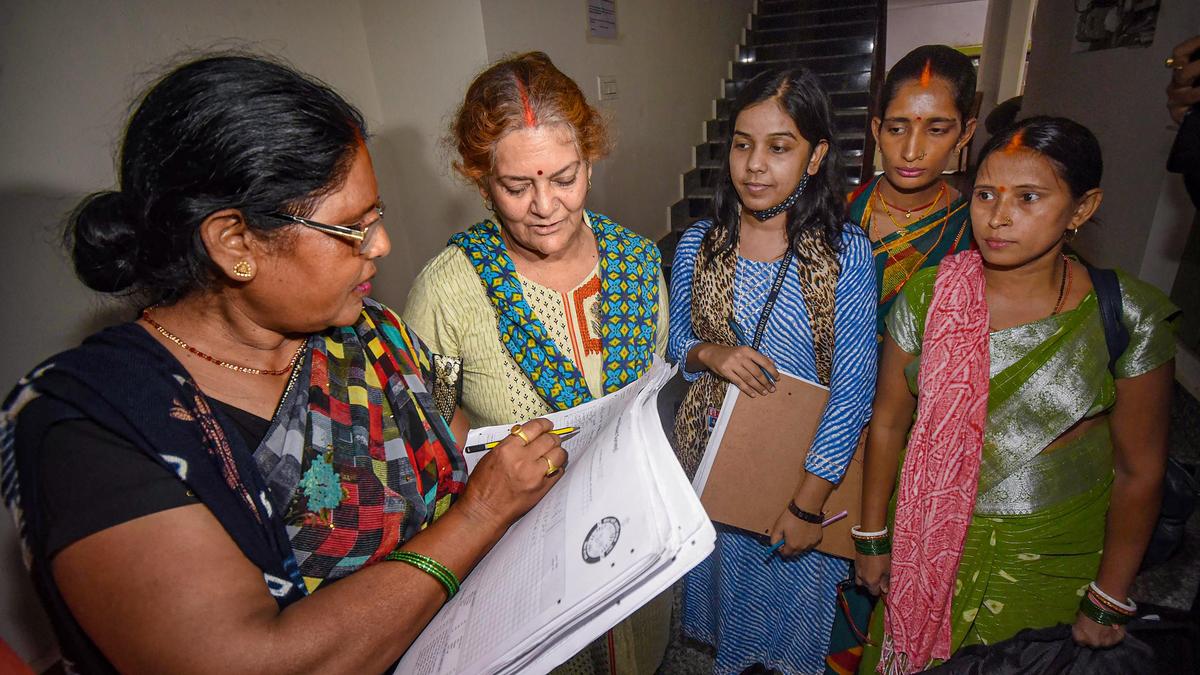
India is gearing up for its 2027 Population Census, marking a significant shift towards digital data collection and real-time monitoring. The Registrar General and Census Commissioner of India (RG&CCI) has informed states that the field operations will be overseen via a dedicated web-based portal, the Census Management and Monitoring System (CMMS). This system aims to enhance efficiency, ensure timely completion, and identify any gaps or delays in the process. Around 32 lakh field functionaries will be deployed across the country.
The census will be conducted in two phases: houselisting operations from April 1 to September 30, 2026, focusing on housing conditions and amenities; and population enumeration in February 2027, gathering demographic, socio-economic, cultural, and caste details. The inclusion of caste-related questions remains a topic under discussion, with clarity expected by July.
Key Points:
- The 2027 Census will be the first fully digital census in India.
- A web-based portal, CMMS, will enable real-time monitoring of field operations by senior officials.
- Houselisting operations are scheduled from April 1 to September 30, 2026.
- Population enumeration, including demographic and socio-economic data, will be conducted in February 2027.
- The Houselisting Block Creator (HLBC) Web Mapping Application will be used for geo-tagging and demarcation of house listing blocks, each covering around 700-800 people.
- Enumerators will use their personal phones to collect data via a dedicated app.
- The use of satellite imagery will aid in identifying habitations and settlements, especially in areas with unclear boundaries.
Critical Analysis:
The historical context reveals a growing trend towards technological integration across various sectors in India. The news about BMC deploying AI and IoT for pollution tracking, along with the use of geospatial data sources like PMGSY and Bharat Maps for the census, highlights the government’s commitment to leveraging technology for governance and data collection. This push for modernization aligns with global trends in data-driven decision-making and resource management.
Key Takeaways:
- India is prioritizing technological advancement in its census operations for improved data accuracy and efficiency.
- Real-time monitoring aims to address potential delays and ensure adherence to timelines.
- The integration of geospatial data and satellite imagery enhances the precision of data collection.
- The use of personal phones by enumerators reflects a cost-effective approach while also posing potential privacy and security concerns.
- The ongoing discussions regarding the inclusion of caste-related questions highlight the sensitivity and complexity of socio-economic data collection in India.
Impact Analysis:
The digital census is expected to have a significant long-term impact on policy-making, resource allocation, and social programs in India. More accurate and timely data will enable the government to better understand demographic trends, address socio-economic disparities, and tailor interventions to specific needs. The use of geospatial data will also facilitate improved urban planning and infrastructure development. However, the success of this initiative hinges on ensuring data security, addressing privacy concerns, and providing adequate training to field functionaries.
 First Piper