
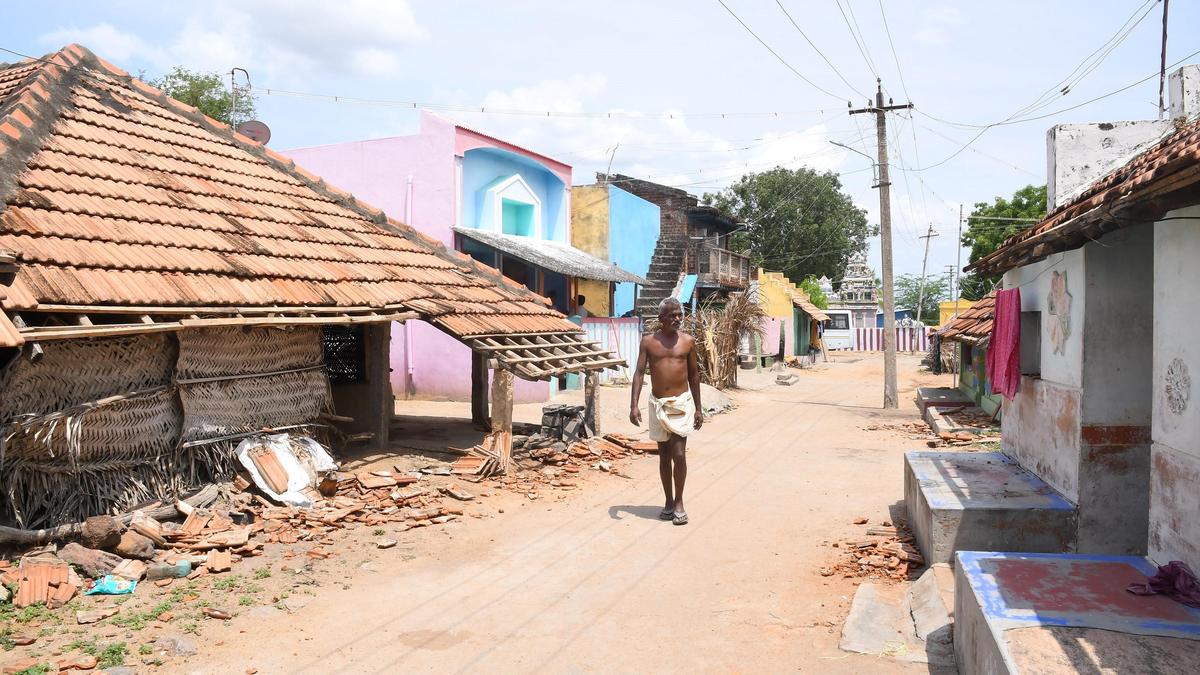
Thu Feb 26 10:53:48 UTC 2026: ### Headline: Madras High Court Upholds Life Sentences in 2018 Kachanatham Caste Murders
The Story:
The Madurai Bench of the Madras High Court has affirmed the life sentences for 26 individuals convicted in the 2018 murder of three Scheduled Caste men in Kachanatham village, Sivaganga district. The ruling, delivered on February 26, 2026, upheld the original judgment from the Special Court for Exclusive Trial of Cases under the Scheduled Castes and Scheduled Tribes (Prevention of Atrocities) Act in Sivaganga, which sentenced 27 people from a dominant, intermediate caste. The High Court acquitted one person, Ilayaraja, after hearing appeals from the accused.
The murders stemmed from caste-based animosity, triggered by Scheduled Caste villagers allegedly failing to show proper deference to members of the dominant caste, including not presenting them with temple honors and sitting cross-legged in their presence. The violent attack resulted in the deaths of K. Arumugam, A. Shanmuganathan, and V. Chandrasekhar. Another victim, Dhanasekaran, died a year later from health complications linked to injuries sustained in the assault.
Key Points:
- The Madras High Court upheld the life sentences for 26 convicts in the 2018 Kachanatham murders.
- The victims were three Scheduled Caste men murdered by members of a dominant, intermediate caste.
- The motive was caste-based, related to perceived disrespect towards the dominant caste.
- One accused, Ilayaraja, was acquitted by the High Court.
- A total of 33 individuals, including four juveniles, were initially named as accused in the case.
Key Takeaways:
- The ruling highlights the continued prevalence of caste-based violence in certain regions of India.
- The upholding of the sentences underscores the judicial system’s commitment to addressing atrocities against Scheduled Castes and Scheduled Tribes.
- The case serves as a stark reminder of the deep-seated social inequalities and prejudices that persist despite legal protections.
- The length of time between the crime (2018) and the final judgment (2026) indicates the complexities and delays often involved in prosecuting such cases.
 First Piper