
Wed Feb 25 20:46:29 UTC 2026: # Tensions Mount as US and Iran Head to Geneva for Nuclear Talks Amid Sanctions and Military Posturing
The Story:
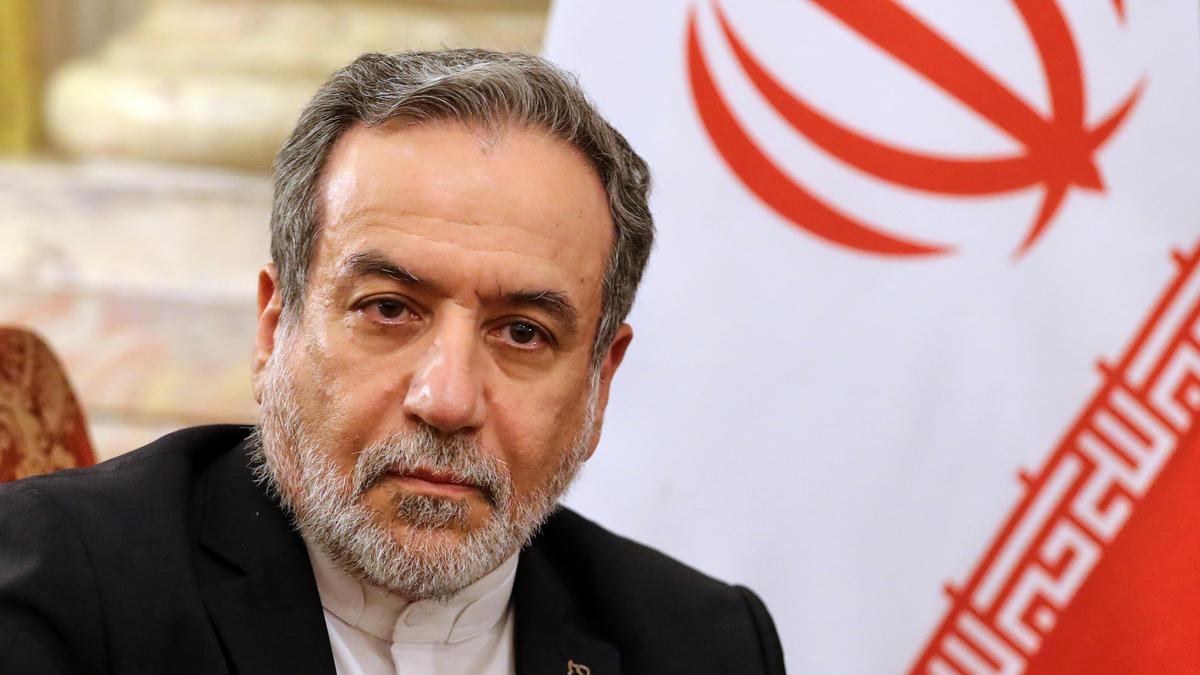
On February 25, 2026, an Iranian delegation, led by Foreign Minister Abbas Araghchi, arrived in Geneva for crucial talks with the U.S. regarding Iran’s nuclear program. This comes as U.S. President Donald Trump intensifies pressure on Tehran, threatening military action if a deal isn’t reached and accusing Iran of pursuing “sinister nuclear ambitions” in his State of the Union address on February 24, 2026. The U.S. simultaneously announced fresh sanctions against Iran, while Iranian President Masoud Pezeshkian expressed optimism about the negotiations.
Key Points:
- U.S. President Donald Trump has repeatedly threatened military strikes against Iran if a nuclear deal isn’t reached.
- The U.S. announced new sanctions targeting Iranian petroleum sales and weapons production.
- Iranian President Masoud Pezeshkian expressed a “favourable outlook” for the negotiations.
- The talks are scheduled to take place on February 26, 2026.
- The U.S. military has deployed significant forces to the Gulf region.
- Iran rejects claims of seeking a nuclear weapon, maintaining its program is peaceful.
- The Iranian delegation will meet with Oman’s foreign minister to discuss sanctions relief and the nuclear issue.
- Five rounds of nuclear talks between the U.S. and Iran ended last year after Israel’s attack on Iran and Washington briefly joined the war.
Critical Analysis:
The timing of these talks, following President Trump’s State of the Union address and the imposition of new sanctions, suggests a deliberate strategy of “maximum pressure.” The increased military presence in the Gulf further amplifies this pressure, potentially forcing Iran to negotiate from a position of perceived weakness. The article also points to the failure of previous negotiations after an Israeli attack on Iran, indicating the influence of external actors on the US-Iran relationship. The statements from both sides reflect a deep-seated mistrust and a history of broken agreements, making a successful outcome uncertain.
Key Takeaways:
- The U.S. is employing a strategy of “maximum pressure” to force Iran into a nuclear agreement.
- The success of the negotiations is uncertain due to existing mistrust and external factors.
- The risk of military conflict remains high if diplomatic efforts fail.
- The outcome of the talks could significantly impact regional stability.
- The economic sanctions are already impacting the Iranian population, creating internal pressure on the government.
Impact Analysis:
The outcome of these negotiations will have far-reaching consequences. A successful agreement could de-escalate tensions in the Middle East and potentially lead to the lifting of sanctions, boosting Iran’s economy. However, failure could result in military conflict, destabilizing the region and potentially triggering a wider international crisis. The U.S.’s credibility is also on the line, as a failure to achieve a deal after such a significant military deployment could damage President Trump’s standing on the international stage. Furthermore, the long-term impact on the nuclear non-proliferation regime is significant, as a failure to contain Iran’s nuclear ambitions could encourage other countries to pursue nuclear weapons.
 First Piper