
Thu Feb 26 02:50:00 UTC 2026: Headline: India Gears Up for Holi 2026: A Celebration of Spring and Triumph Over Evil
The Story:
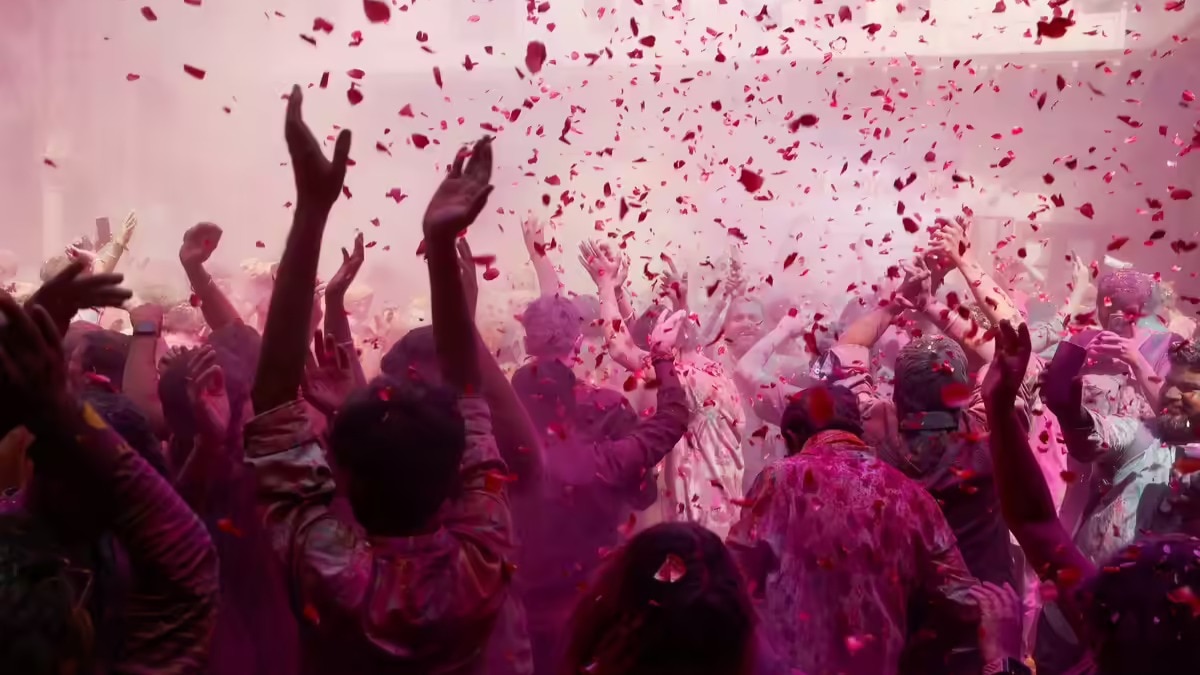
India and its diaspora are preparing for Holi, the Festival of Colors, scheduled for early March 2026. As the second most significant Hindu festival after Diwali, Holi marks the arrival of spring and symbolizes the victory of good over evil. The festivities will commence with Holika Dahan on March 3, 2026, followed by Rangwali Holi on March 4, 2026. Traditional rituals, music, dance, and community gatherings will characterize the celebrations.
Key Points:
- Holika Dahan (Chhoti Holi) will be observed on Tuesday, March 3, 2026.
- Rangwali Holi (Dhulandi) will be celebrated on Wednesday, March 4, 2026.
- Purnima Tithi (Full Moon Period) begins at 5:55 PM on March 2, 2026, and ends at 5:07 PM on March 3, 2026 (Ujjain local time).
- Holika Dahan involves bonfires symbolizing the burning of evil, based on the legend of Prahlad and Holika.
- Rangwali Holi includes playing with dry and wet colors (Gulal), music, dance, and festive sweets.
Critical Analysis:
The related historical context reveals a few interesting points. The mention of the India vs Zimbabwe T20 World Cup match on February 26, 2026, suggests that Holi celebrations might coincide or be impacted by ongoing sporting events, potentially influencing travel patterns and community gathering sizes. The other articles are not really related.
Key Takeaways:
- Holi 2026 is a significant cultural event in India, marking the arrival of spring and the triumph of good over evil.
- The festival spans two days, with distinct rituals for Holika Dahan and Rangwali Holi.
- Community participation, including music, dance, and the sharing of sweets, is a central aspect of the celebrations.
- The timing of Holi in relation to other events, such as the T20 World Cup, could influence the scale and nature of celebrations.
Impact Analysis:
Holi’s enduring popularity reinforces cultural identity and strengthens social bonds. The festival’s message of renewal and positivity carries significant symbolic weight, contributing to social harmony and collective well-being. The increasing awareness of eco-friendly colors also suggests a growing consciousness towards sustainable celebrations, which could have a positive impact on the environment.
 First Piper