
Thu Feb 26 05:48:54 UTC 2026: # Dharwad’s Dual Reality: Education Hub Struggles Under Unemployment Crisis
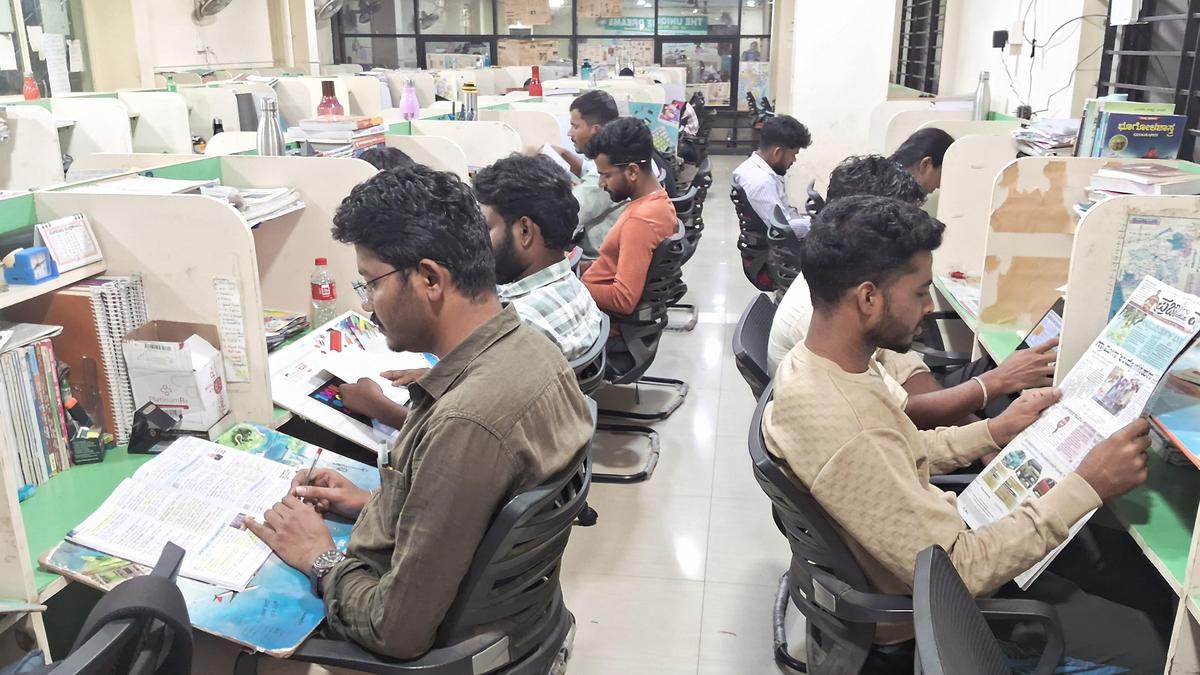
The Story: Dharwad, traditionally known as a cultural and educational center in North Karnataka, is now grappling with a growing unemployment crisis. The city has become a hub for job aspirants preparing for competitive examinations, leading to a surge in coaching centers and “study halls.” However, the delay in government recruitments is causing desperation among these aspirants, many of whom come from middle-class families and struggle to afford the cost of living while they prepare. The influx of students has created a parallel economy, distinct from Dharwad’s traditional educational and cultural ecosystem.
Key Points:
- Dharwad has become a center for job aspirants preparing for competitive exams, attracting students from across Karnataka.
- Over 30 coaching centers and around 150 study halls have emerged in the city.
- Aspirants spend an average of ₹5,000 to ₹6,000 per month on food and accommodation, excluding exam fees.
- The delay in government recruitments is causing financial strain and desperation among aspirants, many of whom are forced to take part-time jobs.
- Job aspirants are protesting to fill vacant posts in Karnataka government departments.
Key Takeaways:
- The article highlights a disconnect between Dharwad’s reputation as an education hub and the harsh realities faced by job aspirants.
- The reliance on government jobs as a primary career path is evident, particularly among middle-class families.
- The delay in government recruitments has significant social and economic consequences, impacting the lives of many individuals and families.
- The rise of coaching centers and study halls indicates a growing industry catering to the demand for government jobs.
- The protests in Dharwad reflect a wider frustration with unemployment and the lack of opportunities.
Impact Analysis:
The situation in Dharwad reflects a broader trend of unemployment and underemployment in India, particularly among educated youth. The reliance on government jobs, while understandable given their stability and perceived benefits, can lead to frustration and disillusionment when opportunities are limited. The long-term impact of this crisis could include:
- Social unrest: Continued delays in recruitment could fuel further protests and social unrest.
- Economic stagnation: The lack of job opportunities could hinder economic growth and development in the region.
- Brain drain: Frustrated job aspirants may seek opportunities elsewhere, leading to a loss of talent from the state.
- Increased inequality: The inability to secure stable employment could exacerbate existing inequalities and create further social divisions.
Addressing this crisis requires a multi-pronged approach, including accelerating government recruitments, promoting entrepreneurship and private sector job creation, and investing in skills development programs to equip youth with the skills needed for the modern workforce.
 First Piper