
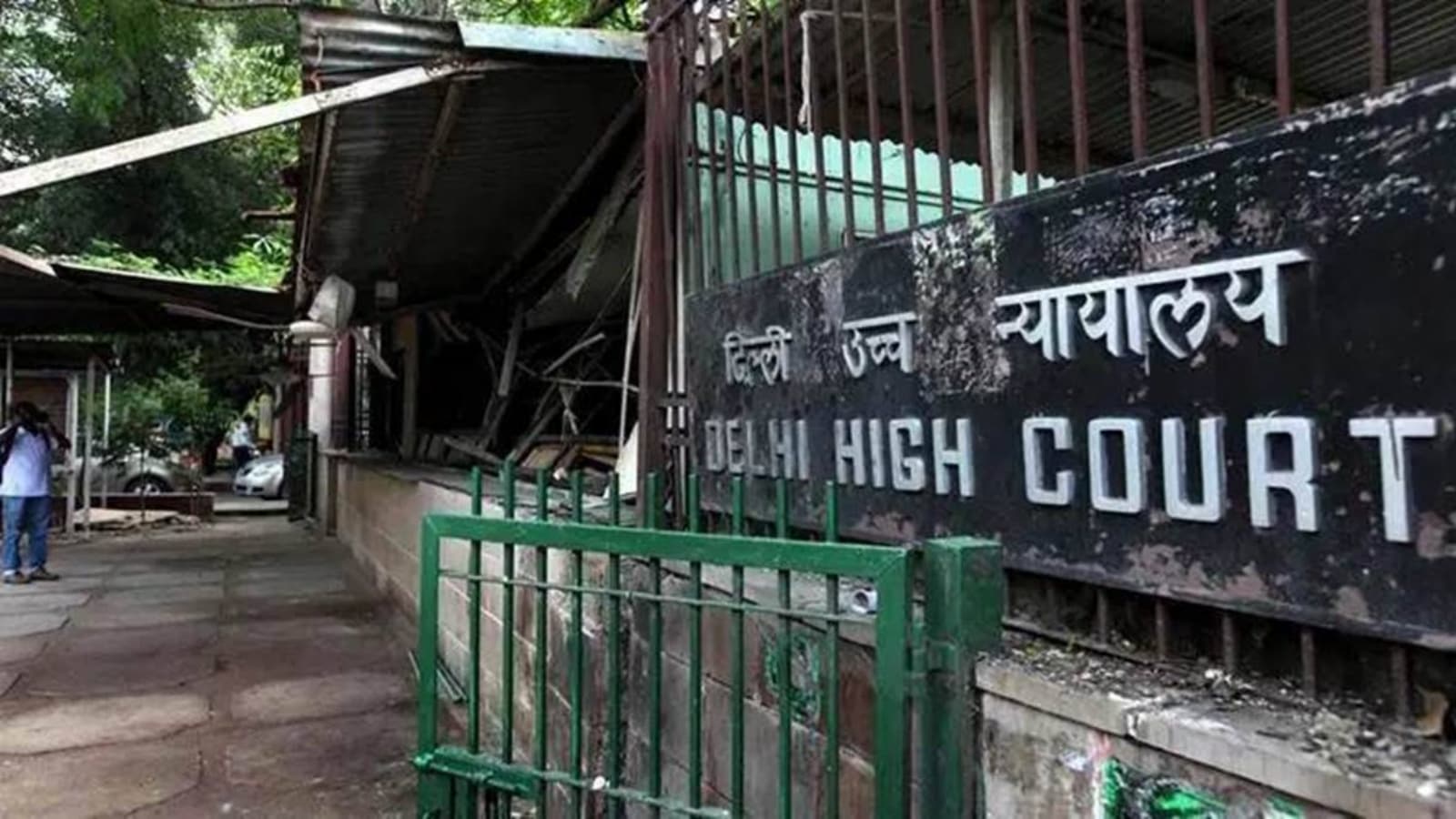
Wed Feb 25 21:10:18 UTC 2026: ### Delhi High Court Addresses DU Protest Ban Following Campus Unrest
The Story:
The Delhi High Court has issued notices to the Union Ministry of Education, Delhi Police, and Delhi University (DU) regarding the legality of a February 17, 2026, notification that effectively bans public assemblies of five or more people on DU college campuses for a month. The university implemented the ban after a disturbance related to UGC rules on caste discrimination. A student from Campus Law Centre, Faculty of Law, Uday Bhadoria, filed a plea challenging the order, arguing it restricts free movement, speech, and expression.
DU’s counsel, Mohinder Rupal, opposed the plea, suggesting it was a public interest litigation (PIL). The court, presided over by Justice Jasmeet Singh, added Delhi Police as a party and directed the petition to be treated as a PIL. A division bench headed by Chief Justice D K Upadhyaya will hear the case on March 10, 2026. Several colleges have already implemented consequential orders reinforcing the ban.
Key Points:
- DU Notification: Issued on February 17, 2026, prohibiting public assembly of five or more people on campus for a month.
- Reason for Ban: Response to unrest over UGC rules on caste discrimination.
- Petitioner: Uday Bhadoria, a student at Campus Law Centre, Faculty of Law, challenges the ban’s legality.
- Legal Action: Delhi High Court issues notices to relevant authorities and designates the petition as a PIL.
- College Actions: Several DU-affiliated colleges, including Kirori Mal College, have implemented consequential orders reinforcing the ban, including restrictions on social media posts.
- Arguments Against Ban: Restrictions on free movement, speech, and expression; lack of consultation with student or teacher representatives.
Key Takeaways:
- The case highlights the ongoing tensions surrounding freedom of speech and assembly on university campuses in India.
- The Delhi High Court’s decision to treat the petition as a PIL underscores the public importance of the issue.
- The speed with which colleges implemented consequential orders suggests a coordinated response to the perceived threat of campus unrest.
- The case raises questions about the balance between maintaining order on campus and protecting students’ constitutional rights.
- The outcome of the March 10, 2026, hearing will likely set a precedent for how universities manage protests and assemblies in the future.
 First Piper