
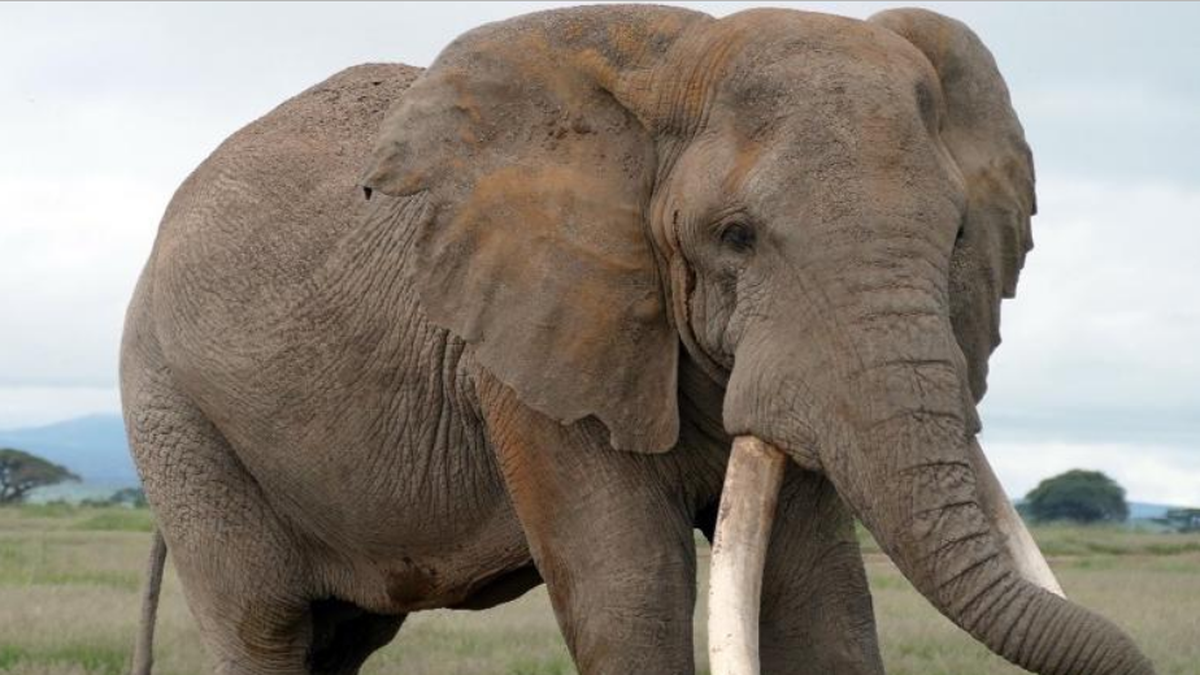
Thu Feb 26 01:15:01 UTC 2026: ### Craig’s Death Sparks Debate on Individual Animal Focus vs. Conservation Strategy
The Story:
The death of Craig, a “super tusker” elephant in Kenya’s Amboseli National Park, has ignited a global discussion on the role of individual animals in conservation efforts. While Craig became a symbol of wilderness and a source of tourism revenue, his death highlights the tension between focusing on individual animal welfare and the broader goals of population-level conservation, habitat protection, and ecosystem health. The article explores the benefits and drawbacks of using “celebrity animals” to raise awareness and funds for conservation, while emphasizing the importance of addressing underlying issues like poaching and habitat loss.
Key Points:
- Craig, a “super tusker” elephant, died in Kenya’s Amboseli National Park in early 2026.
- His large tusks and calm demeanor made him a global symbol of wilderness and a tourism draw.
- Naming wild animals can transform them into characters in a story, fostering public affection and curiosity.
- Wildlife tourism built around celebrity animals can expand beyond ecological limits and become overly commercial.
- Focusing too much on individual animals can misdirect limited resources away from broader conservation efforts such as habitat protection and anti-poaching.
- Individual animals can serve as “ambassadors for coexistence” in human-dominated landscapes.
- Public opinion can fracture when famous animals are involved in human deaths, creating conflict between animal welfare advocates and local communities.
- Conservation ultimately depends on less photogenic realities such as protecting habitats, enforcing laws, partnering with communities, securing corridors, using science-based management, and securing long-term funding.
Critical Analysis:
The timing of Craig’s death coincides with an increase in reported human-elephant conflict in India, as evidenced by the news items regarding the woman trampled to death, forest minister meetings, and the elephant undergoing treatment in Thalavadi hills. This suggests that while the world mourns the loss of a charismatic individual, there is a growing challenge of managing elephant populations and mitigating conflict with humans in other regions. The Uthralikkavu Pooram news item, while seemingly unrelated, highlights the cultural significance of elephants, further complicating the issue of conservation and management. The article about the elephant crisis in central India highlights the pressure on elephant populations due to shrinking forests and growing herds.
Key Takeaways:
- Celebrity animals can be powerful tools for raising awareness and generating support for conservation.
- Conservation efforts must prioritize population-level health, habitat protection, and ecosystem integrity, rather than focusing solely on individual animal welfare.
- Balancing the emotional attachment to individual animals with the practical needs of conservation is a significant challenge.
- Human-wildlife conflict poses a major threat to conservation efforts and requires careful management and community involvement.
- Long-term conservation success depends on sustained funding, effective law enforcement, and collaborative partnerships.
Impact Analysis:
The death of Craig and the surrounding discussion could influence future conservation strategies, potentially leading to a more balanced approach that incorporates both individual animal advocacy and broader ecological concerns. This event could also spur increased funding for anti-poaching efforts, habitat protection, and community-based conservation initiatives. The debate surrounding celebrity animals may also encourage greater scrutiny of wildlife tourism practices and a shift toward more sustainable and educational experiences.
 First Piper