
Thu Feb 26 09:07:23 UTC 2026: ### Headline: Nandini Bhowmik’s Shubhamastu: Redefining Hindu Wedding Rituals in India
The Story:
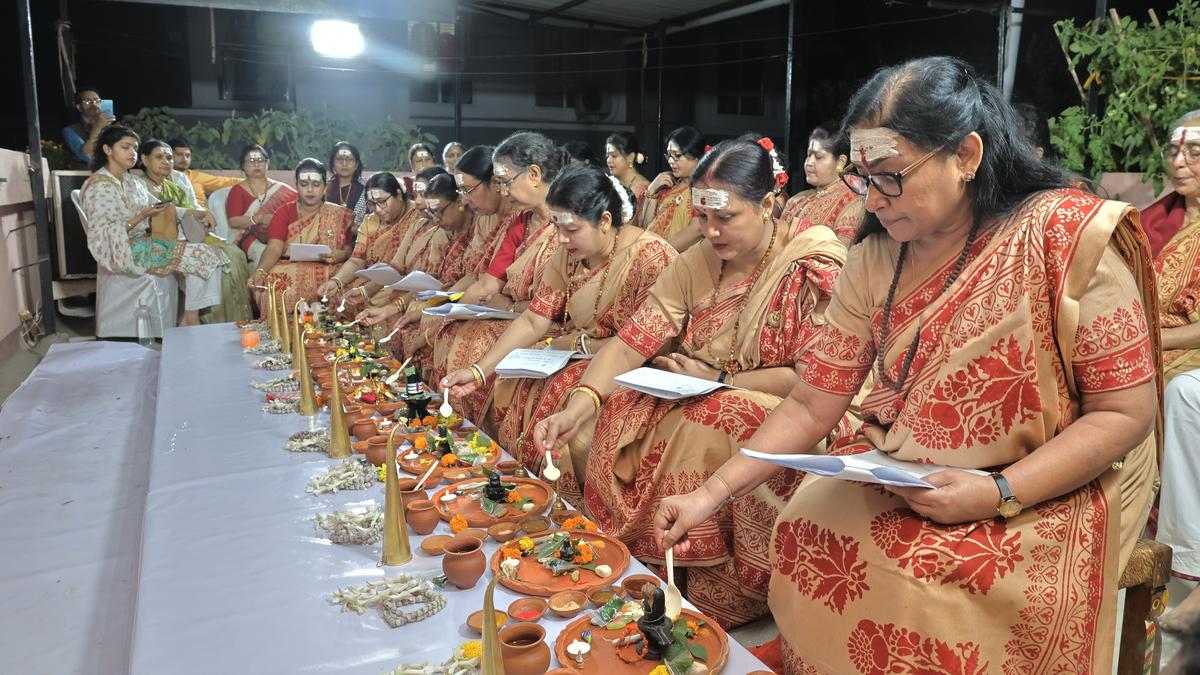
Nandini Bhowmik, a 66-year-old Sanskrit scholar, professor, Indologist, and priest, is challenging patriarchal norms within Hindu society through her Kolkata-based charitable trust, Shubhamastu. Since 2009, Bhowmik and her team of 19 women priests and devotional singers have been officiating weddings that transcend caste, religion, and nationality. They conduct approximately 170 weddings annually, alongside other ceremonies. Bhowmik’s work focuses on creating a more egalitarian and inclusive wedding experience, inspired by her grandmother’s teachings and a desire to spread human values through religion. Her efforts were further popularized by the 2020 Bengali film, Brahma Janen Gopon Kommoti.
Shubhamastu’s rituals are designed to give women an equal start in their marital journey, stripping away sexist traditions and promoting shared responsibility. Bhowmik translates Vedic mantras and incorporates Rabindra Sangeet to ensure everyone understands and appreciates the ceremonies.
Key Points:
- Nandini Bhowmik founded Shubhamastu in 2009 to offer inclusive and egalitarian wedding ceremonies.
- Shubhamastu employs a team of 19 women priests and devotional singers.
- They officiate approximately 170 weddings each year.
- Ceremonies are modified to remove sexist rituals like kanyadaan and promote equal participation.
- Bhowmik’s work has inspired other women priests in Kolkata and its outskirts.
- The 2020 Bengali film Brahma Janen Gopon Kommoti was inspired by her work.
Key Takeaways:
- Social Reform Through Ritual: Nandini Bhowmik is using her knowledge of Sanskrit and Hindu traditions to reshape wedding ceremonies, making them more equitable and inclusive.
- Empowerment of Women: Shubhamastu provides a platform for women to lead religious ceremonies and challenge patriarchal norms.
- Interfaith Harmony: By officiating interfaith weddings, Bhowmik promotes understanding and acceptance between different religious communities.
- Modernization of Tradition: Bhowmik demonstrates that traditions can be adapted and reinterpreted to reflect contemporary values of equality and mutual respect.
- Rising Acceptance: The increasing number of women priests and their acceptance by state-managed temples and local festival organizers indicates a shift in societal attitudes.
 First Piper