
Wed Feb 25 18:56:11 UTC 2026: # West Bengal Courts Gravely Affected by Electoral Roll Revision Deployment
The Story:
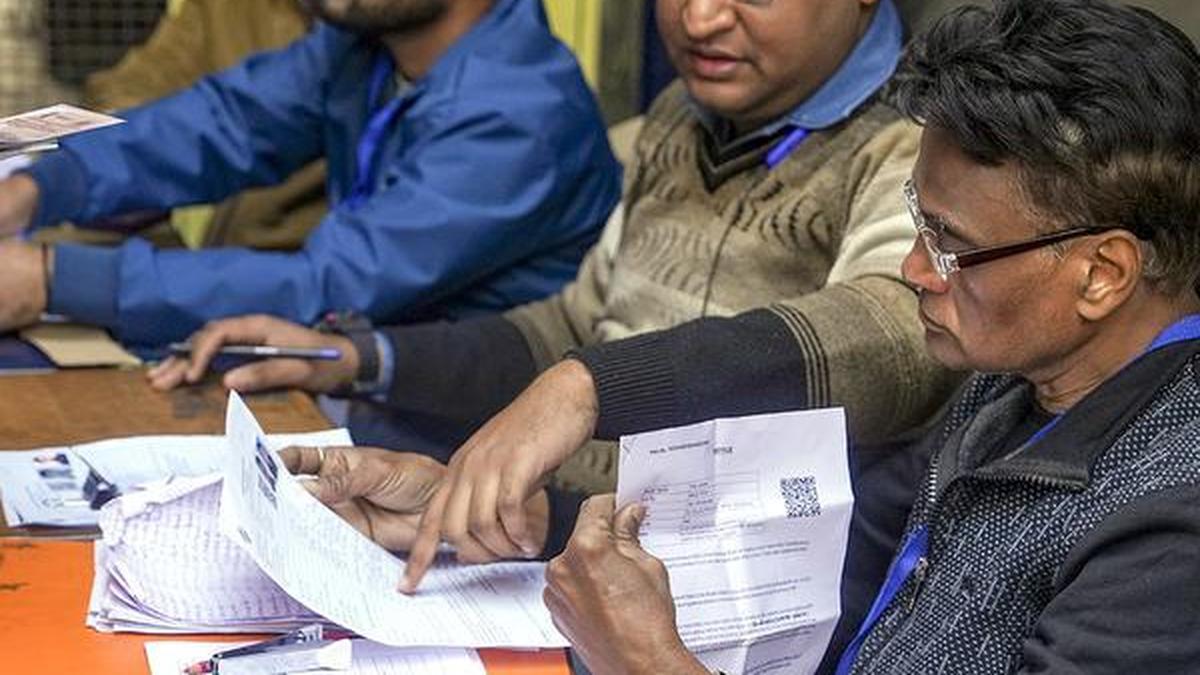
Judicial work across West Bengal is severely disrupted as hundreds of judicial officers have been deployed to process approximately 50 lakh claims and objections for the special intensive revision (SIR) of electoral rolls, with a deadline of February 28, 2026. This deployment, mandated by the Supreme Court due to a trust deficit between the West Bengal government and the Election Commission of India, has brought trials and regular proceedings to a standstill, affecting even special courts dealing with POCSO cases. The Calcutta High Court and district-level committees are working to reassign urgent cases, but uncertainty remains regarding the resumption of normal court functions.
Key Points:
- Judicial officers are processing nearly 50 lakh claims and objections for the SIR of electoral rolls.
- Except for urgent matters and bail hearings, trials and regular proceedings, including POCSO cases, are affected.
- The Supreme Court directed judicial officials to oversee the SIR due to a trust deficit between the West Bengal government and the Election Commission of India (February 20, 2026).
- The Chief Justice of Calcutta High Court stated on February 24, 2026, that even with 294 deployed judges, the verification process could take 80 days.
- The Supreme Court suggested deploying civil judges and requesting assistance from Odisha and Jharkhand.
- Important cases, including the South Calcutta Law College case (June 2025), the sexual assault of a medical student at Durgapur Medical College (October 2025) and the sexual assault and murder of a 13-year-old at Rampurhat at Birbhum (September 2025), are likely to be delayed.
- Retired IAS officer Jawhar Sircar criticized the deployment as a “knee-jerk reaction” and questioned the judges’ depth in administrative tasks.
Key Takeaways:
- The Supreme Court’s intervention highlights a significant breakdown in trust between the West Bengal government and the Election Commission of India regarding the electoral process.
- Deploying judicial officers for administrative tasks like electoral roll revision has severely impacted the functioning of the judiciary, leading to delays in critical cases, including those involving vulnerable victims.
- The reliance on the judiciary for electoral roll verification raises questions about the efficiency and preparedness of administrative bodies in handling election-related processes.
Impact Analysis:
The deployment of judicial officers for electoral roll revision has significant and potentially long-term implications:
- Erosion of Public Trust: The disruption of court proceedings and the involvement of the judiciary in administrative tasks may erode public trust in both the judicial and electoral systems.
- Delayed Justice: The backlog of cases, including those involving serious crimes, will likely increase, delaying justice for victims and potentially leading to prolonged pre-trial detention for accused individuals.
- Increased Burden on Judiciary: Even after the electoral roll revision is complete, the judiciary will face an increased workload to clear the backlog of cases, potentially requiring additional resources and personnel.
- Political Ramifications: The controversy surrounding the electoral roll revision and the involvement of the judiciary may have political ramifications in the upcoming Assembly polls, potentially affecting voter turnout and election outcomes.
 First Piper