
Thu Feb 26 01:22:14 UTC 2026: ### Delhi and Shimla Police in Standoff Over Youth Congress Arrests Following AI Summit Protest
The Story:
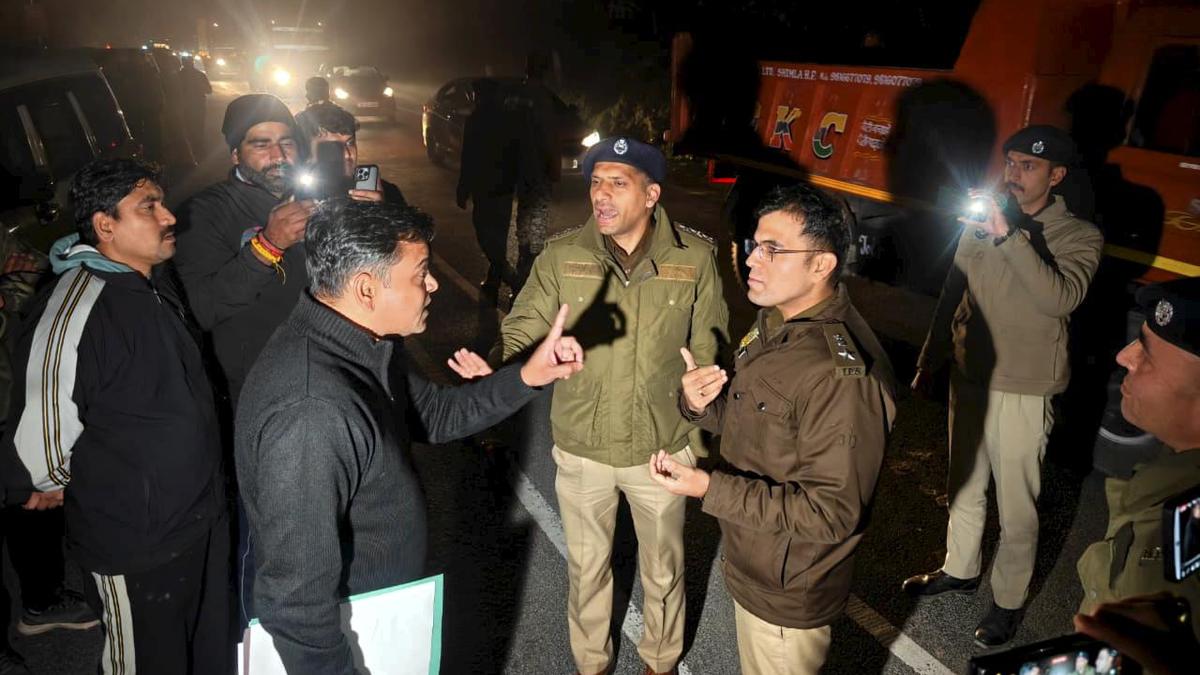
A dramatic confrontation unfolded between Delhi and Himachal Pradesh police following the arrest of three Youth Congress members in connection with a “shirtless protest” at the AI Summit in New Delhi on February 20, 2026. Delhi Police arrested the activists from a hotel in Shimla district, leading to a kidnapping case being filed against them by Himachal Pradesh Police. The situation escalated into a standoff at the Shogi border near Shimla, with Himachal Police “detaining” Delhi Police vehicles and personnel. The conflict centered around allegations of procedural lapses in the arrests and competing claims of obstructing investigations.
The standoff lasted into the early hours of February 26, 2026, even after a local court granted transit remand for the arrested Youth Congress workers. The Himachal Police demanded the Delhi Police hand over digital evidence allegedly gathered during the arrests, further fueling the dispute. Both police forces accused each other of hindering their respective investigations, leading to a tense and unresolved situation.
Key Points:
- The incident stemmed from a “shirtless protest” at the AI Summit on February 20, 2026.
- Delhi Police arrested three Youth Congress members from a hotel in the Rohru subdivision of Shimla district.
- Himachal Pradesh Police registered a kidnapping case against the Delhi Police personnel and “detained” their vehicles.
- The standoff occurred at the Shogi border near Shimla.
- Himachal Police demanded digital evidence from the Delhi Police, alleging procedural lapses in the arrests.
- A local court granted transit remand for the arrested Youth Congress workers.
- Leader of Opposition Jai Ram Thakur accused the Chief Minister of “politics of anarchy.”
- A total of 11 people have been arrested so far in connection with the protest.
Critical Analysis:
The standoff highlights a potential conflict between state and central law enforcement agencies, particularly when dealing with politically sensitive cases. The Himachal Pradesh police’s aggressive response suggests a possible attempt to assert state sovereignty and potentially protect local interests or political figures. The timing of the incident, following previous arrests and raids, underscores the heightened political tensions surrounding the AI Summit protest.
Key Takeaways:
- Inter-state police operations require clear communication and adherence to established protocols to avoid jurisdictional conflicts.
- Political protests, especially those targeting high-profile events like the AI Summit, can trigger significant law enforcement responses and political fallout.
- The incident raises questions about the balance of power between state and central authorities in law enforcement matters.
- The actions of both police forces are being scrutinized, potentially impacting public trust in law enforcement.
- The legal challenges to the arrests, citing procedural irregularities, could have broader implications for future law enforcement operations.
Impact Analysis:
This event could lead to a review of inter-state arrest procedures and protocols to prevent similar conflicts in the future. The political ramifications could extend to strained relations between the ruling parties in Delhi and Himachal Pradesh. The legal challenges to the arrests may set precedents for future cases involving political protests and police powers. The incident may also fuel further political polarization and public debate about freedom of expression and the limits of dissent.
 First Piper