
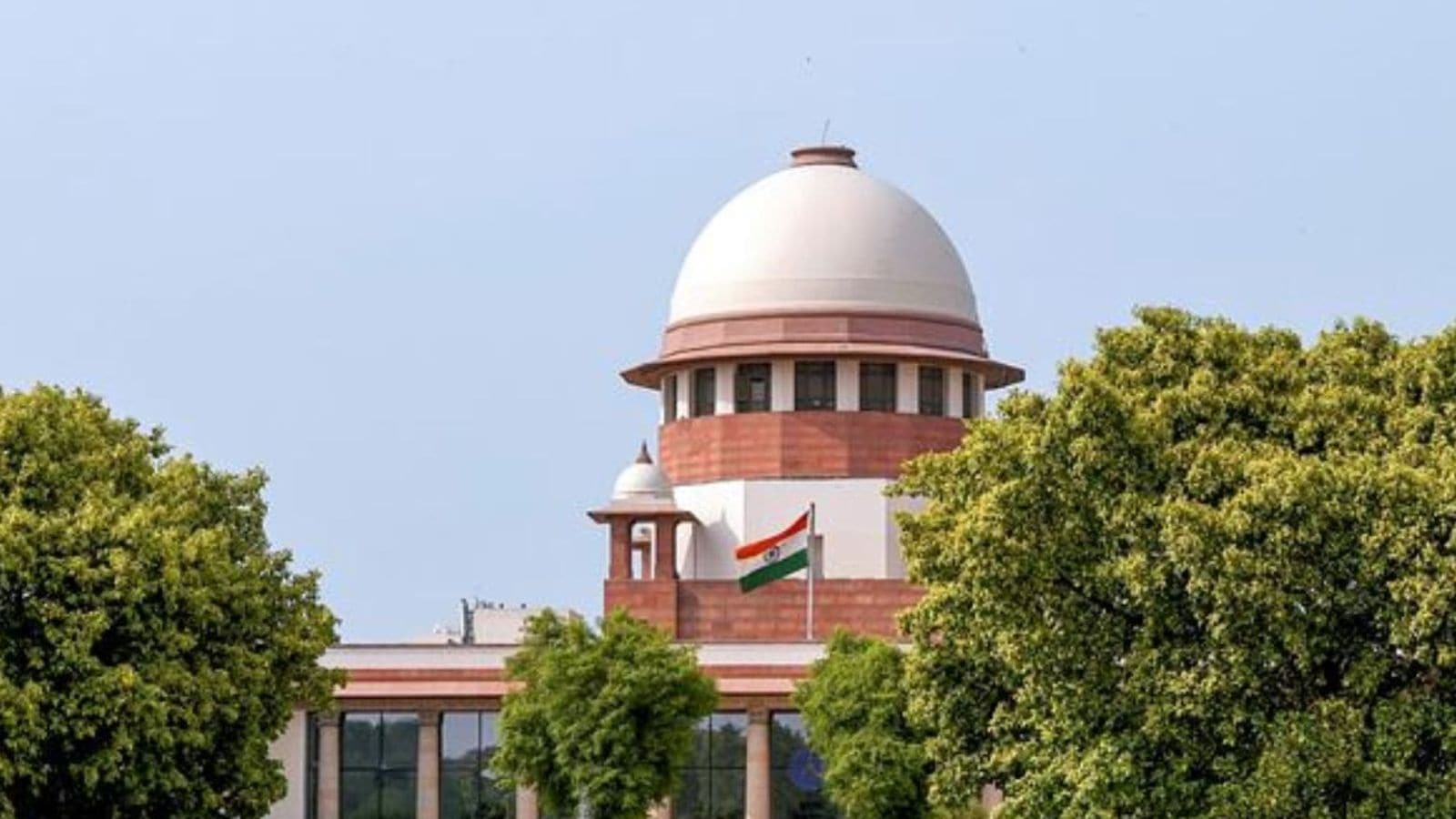
Thu Feb 26 07:09:28 UTC 2026: # Supreme Court Bans NCERT Textbook, Cites “Deep-Rooted Conspiracy” to Undermine Judiciary
The Story: The Supreme Court on Thursday imposed a complete ban on the publication, reprinting, or digital dissemination of the National Council of Educational Research and Training (NCERT)’s Class 8 social science textbook. The court took strong exception to a section on “corruption in the judiciary,” deeming it a “calculated move to undermine and demean the dignity of the judiciary.” The court has initiated a suo motu case and issued notices to the Ministry of Education and the NCERT Director, demanding an explanation and threatening potential action under the Contempt of Courts Act.
The bench, led by Chief Justice of India Surya Kant, directed the government to remove online PDF copies of the book and instructed school principals to immediately seize and seal all physical copies. Furthermore, the court explicitly forbade any instruction based on the contentious textbook. State principal secretaries have been given two weeks to submit compliance reports.
Key Points:
- The Supreme Court has issued a “complete blanket ban” on the NCERT Class 8 social science textbook.
- The court views the inclusion of a section on “corruption in the judiciary” as a “calculated move” to demean the judiciary.
- Notices have been issued to the Ministry of Education and the NCERT Director, with the threat of contempt of court charges.
- The court has ordered the removal of online copies and the seizure of all physical copies in schools.
- CJI Surya Kant stated that there appears to be a “deep-rooted conspiracy” behind the textbook’s content.
- The Court acknowledged the media for bringing the matter to public attention.
Critical Analysis:
The Supreme Court’s reaction reveals a high degree of sensitivity to any perceived threat to its authority and public image. The speed and severity of the response, including the threat of contempt charges and the characterization of the incident as a “deep-rooted conspiracy,” suggest that the court views this as more than a simple oversight or editorial lapse. The court seems particularly concerned that the textbook’s omission of the judiciary’s positive contributions and its focus on corruption could erode public trust in the institution.
Key Takeaways:
- The judiciary is fiercely protective of its reputation and will act decisively against perceived attacks.
- The incident highlights the potential for educational materials to become flashpoints in broader debates about institutional integrity and accountability.
- The Supreme Court values the role of the media in bringing matters of public importance to its attention.
- The NCERT faces significant scrutiny regarding its editorial processes and the content of its textbooks.
- This event underscores the importance of carefully considering the potential impact of educational content on public perceptions of key institutions.
Impact Analysis:
This event is likely to have a significant impact on the NCERT, potentially leading to stricter review processes and greater oversight of textbook content. It could also lead to a chilling effect, with authors and editors becoming more cautious about addressing sensitive or controversial topics in educational materials. Furthermore, the court’s strong stance could influence public discourse on judicial accountability, potentially making it more difficult to raise legitimate concerns about corruption within the judiciary. The long-term impact will depend on how the NCERT responds to the court’s concerns and whether this incident leads to broader reforms in the educational system.
 First Piper