
Wed Feb 25 11:13:03 UTC 2026: ### India and Brazil Forge Strategic Alliance in Critical Minerals Amid Global Supply Chain Concerns
The Story:
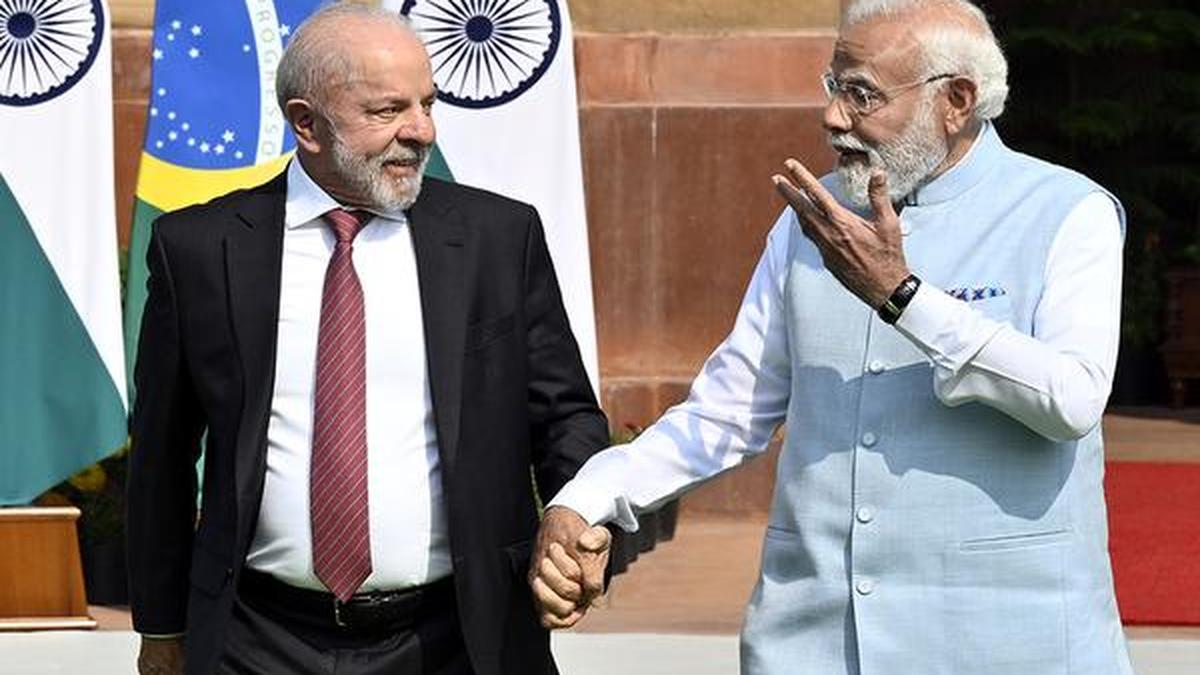
India and Brazil have solidified their partnership in the critical minerals sector by signing a memorandum of understanding (MoU) on February 21, 2026, during Brazilian President Luiz Inacio Lula da Silva’s state visit to India. The agreement focuses on collaboration across the entire mineral value chain, encompassing exploration, mining, processing, recycling, and refining of rare earths and critical minerals. This strategic alliance aims to bolster supply chains, enhance competitiveness, and reduce India’s reliance on single-source dependencies for these essential resources.
The MoU aligns with India’s ongoing efforts to develop domestic capacity in the critical minerals sector, as demonstrated by the National Critical Mineral Mission approved in January 2025 and the amendment of the Mines and Minerals (Development and Regulation) Act 2023. Brazil, possessing substantial untapped reserves, sees the partnership as a means to attract Indian investment and secure long-term purchase contracts, thereby boosting its own industrial development.
Key Points:
- India and Brazil signed an MoU on rare earths and critical minerals on February 21, 2026.
- The MoU covers the entire mineral value chain: exploration, mining, processing, recycling, and refining.
- India aims to reduce dependence on single-source suppliers and build domestic capacity through initiatives like the National Critical Mineral Mission.
- Brazil seeks to leverage its vast mineral reserves, with only about 30% explored, by attracting Indian capital and securing long-term contracts.
- The agreement is non-binding and is intended to increase India’s bargaining power with other suppliers.
- The U.S.-led initiative, Pax Silica, aims to secure supply chains for the U.S. and its partner countries. India joined it on February 20, 2026. This MoU could help with one part of that goal, which is to access, and possibly process, certain minerals.
Critical Analysis:
The strategic partnership between India and Brazil is a direct response to growing global concerns about the security and stability of critical mineral supply chains. Previously, India has focused on domestic mining and international acquisitions through Khanij Bidesh India Ltd. This MoU is significant because it diversifies India’s sourcing options and strengthens its negotiating position in the global market, particularly in the face of geopolitical uncertainties and potential export controls. The timing of the agreement, immediately following India’s entry into Pax Silica, suggests a coordinated strategy to align with U.S. interests while simultaneously securing independent access to critical resources.
Key Takeaways:
- India is actively diversifying its sources of critical minerals to mitigate supply chain risks.
- The partnership with Brazil offers a significant opportunity for India to access and process a wide range of critical minerals.
- Brazil aims to move up the value chain by attracting Indian investment and securing long-term purchase agreements.
- The MoU enhances India’s bargaining power in the global market for critical minerals.
- This agreement aligns with broader efforts to secure critical mineral supply chains amidst geopolitical uncertainties.
Impact Analysis:
The India-Brazil MoU on critical minerals has the potential for long-term strategic and economic implications. This partnership can contribute to the growth of India’s manufacturing sector, particularly in industries such as electric vehicles, renewable energy, and defense, by ensuring a stable supply of essential materials. For Brazil, the agreement could spur significant investment in its mining and processing industries, leading to economic growth and job creation. Furthermore, the harmonisation of environmental standards between the two countries could facilitate smoother trade and investment flows. In the long run, this collaboration could
 First Piper