
Wed Feb 25 10:50:36 UTC 2026: ### Headline: US and Iran Engage in High-Stakes Diplomacy Amid Rising Military Tensions
The Story:
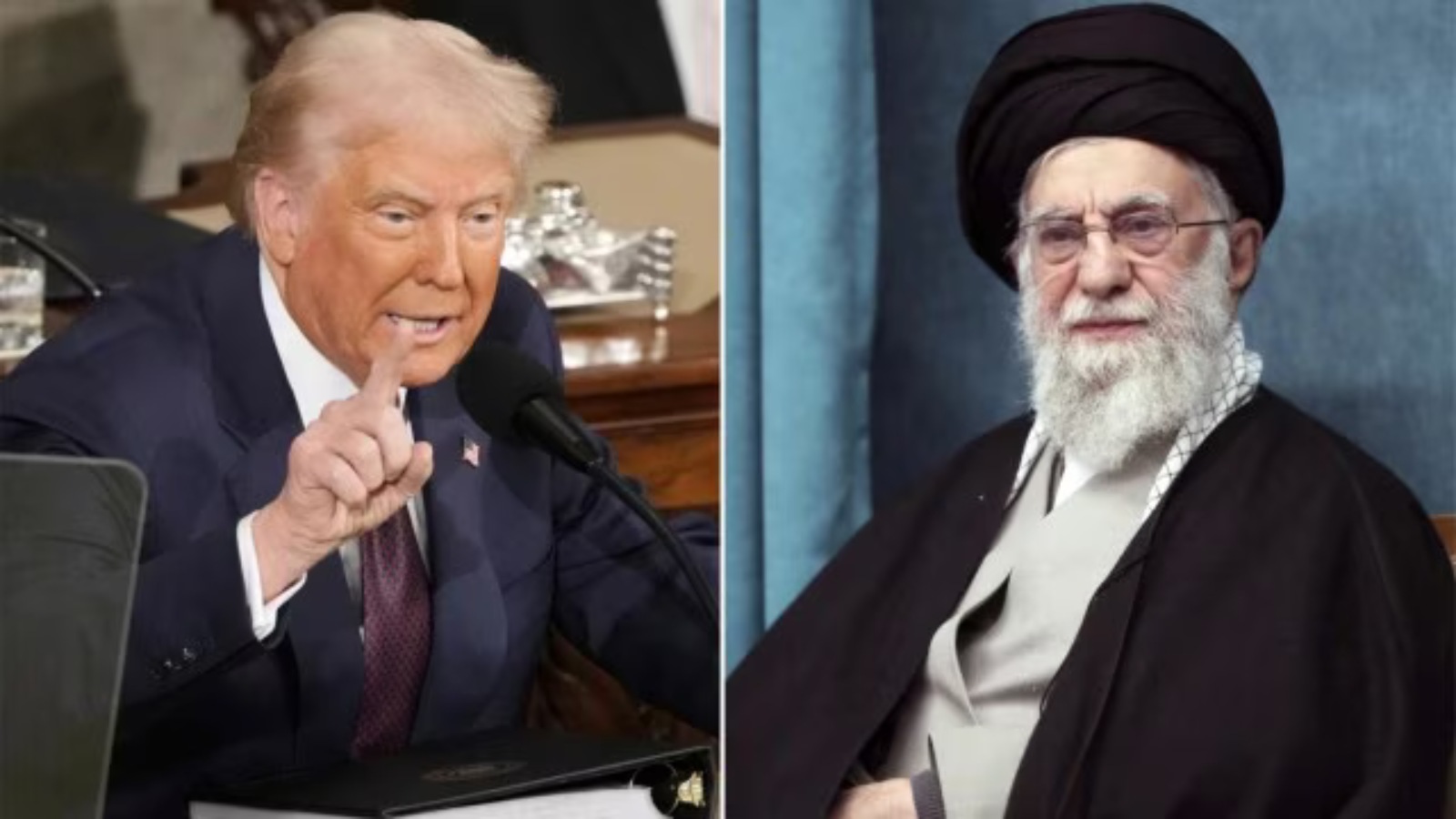
Indirect talks between Iran and the United States are set to resume, overshadowed by a significant military buildup and escalating rhetoric from both sides. Tehran expresses a desire for a swift agreement to avert a “disastrous war,” while simultaneously signaling its readiness for conflict should diplomacy fail. US President Donald Trump, seemingly surprised by Iran’s resistance, has threatened military action if Iran does not agree to curb its nuclear program, despite a massive US military presence in the Middle East. The situation is further complicated by Iran’s military posturing, including naval exercises and potential arms deals with Russia and China.
Key Points:
- The third round of indirect talks between Iran and the US is scheduled.
- Trump threatens military action if Iran doesn’t curb its nuclear program.
- The US has deployed a large military force to the Middle East, including 18 warships.
- Iran conducted naval drills in the Strait of Hormuz and is reportedly seeking arms deals with Russia and China.
- Trump seeks a nuclear deal with stricter terms than the 2015 agreement.
- Iran is reportedly open to some concessions, including lowering uranium enrichment levels, but refuses to negotiate on its ballistic missile program or support for regional proxies.
- Key US partners in the Gulf are reportedly hesitant to support a US attack on Iran.
- A military conflict could have severe economic consequences, particularly for countries dependent on Gulf energy supplies.
Critical Analysis:
The events are unfolding within the context of heightened US-Iran tensions, as evidenced by earlier reports of the USS Gerald R Ford deployment straining sailors, Iran rejecting US claims about its missile program, and the US drawing parallels between Iran and Venezuela. Trump’s State of the Union address further underscores this tension. The US appears to be employing a strategy of “maximum pressure” to force Iran into accepting a more restrictive nuclear deal. However, Iran is demonstrating resolve and seeking to leverage its strategic position and potential alliances to resist US demands, indicating a complex geopolitical chess game.
Key Takeaways:
- The situation is highly volatile, with a real risk of military escalation despite ongoing diplomatic efforts.
- The US and Iran are locked in a high-stakes negotiation, with each side attempting to maximize its leverage.
- Regional and global economic stability is threatened by the potential for conflict.
- Iran’s refusal to negotiate on its ballistic missile program and support for regional proxies remains a major sticking point.
- Trump’s desire for a “better” deal than the 2015 nuclear agreement significantly raises the bar for a successful outcome.
Impact Analysis:
The outcome of these negotiations will have far-reaching consequences. A successful agreement could de-escalate tensions, stabilize the region, and ease global economic concerns. However, a failure could lead to military conflict, potentially destabilizing the Middle East and causing significant economic disruption. The long-term impact could reshape regional power dynamics and influence global energy markets for years to come. The success or failure of these talks will likely influence future US foreign policy decisions and the role of international agreements in addressing nuclear proliferation.
 First Piper