
Tue Feb 24 14:14:20 UTC 2026: ### Trump Imposes New Global Tariffs After Supreme Court Ruling, Creates Trade Confusion
The Story:
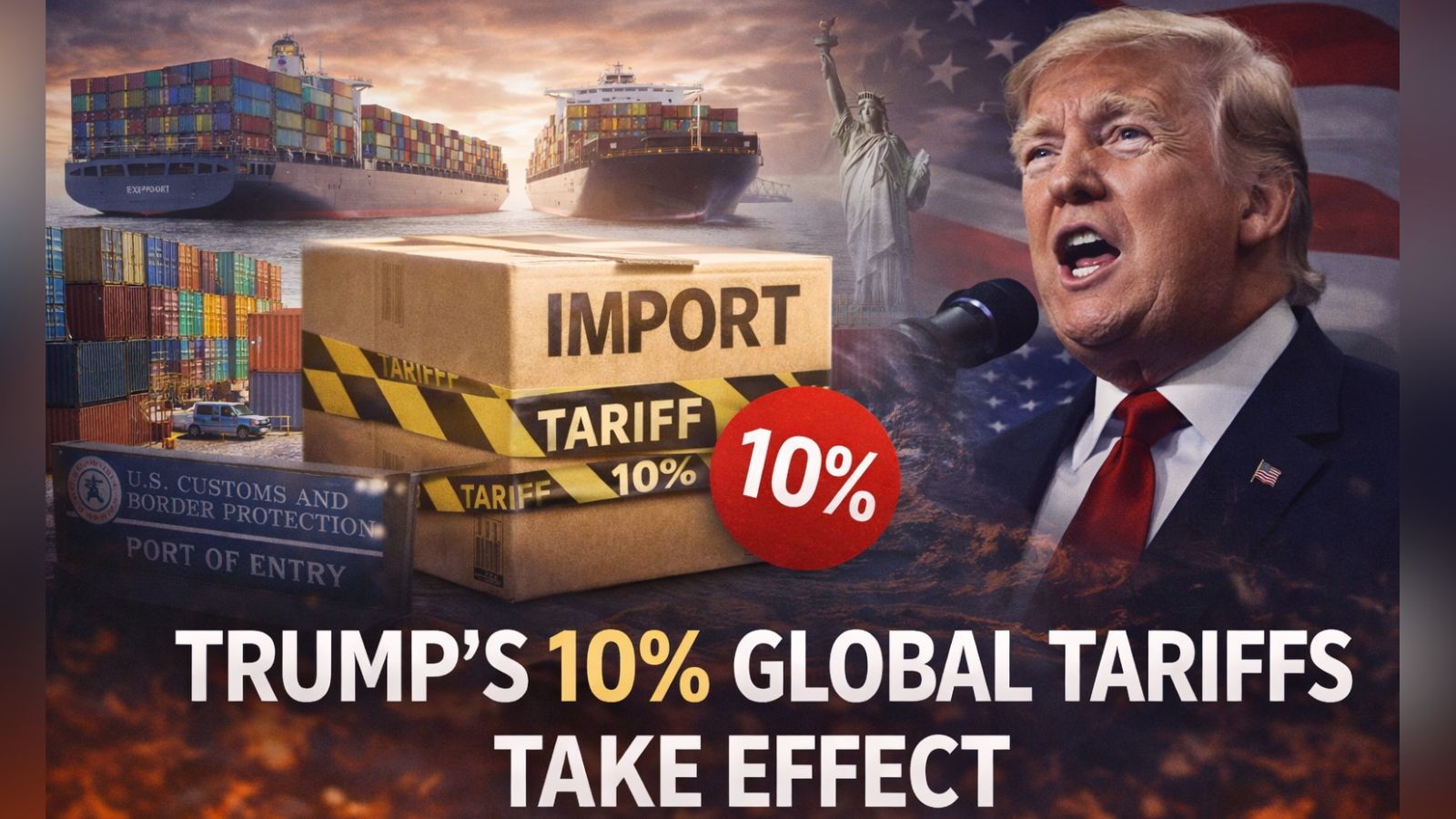
Despite a recent Supreme Court ruling against his administration’s previous global tariffs, US President Donald Trump has initiated new tariffs at 10 percent on goods not covered by exemptions, effective Tuesday. This action follows the Supreme Court’s decision that deemed the previous tariffs illegal, potentially entitling companies to billions of dollars in refunds. Trump initially announced a 10 percent tariff, then raised it to 15 percent, but the official notice from the US Customs and Border Protection (CBP) indicates the lower rate is in effect, leading to confusion regarding US trade policy.
The new tariffs are imposed under Section 122 of the Trade Act of 1974, allowing the president to impose duties for up to 150 days to address balance-of-payments deficits. This impacts countries like India, which now faces a 10 percent tariff, reduced from a previously announced 18 percent. The future of the India-US trade deal remains uncertain after the Supreme Court invalidated Trump’s reciprocal tariffs.
Key Points
- New Tariffs Imposed: President Trump’s new 10 percent global tariffs are now in effect.
- Supreme Court Ruling: The Supreme Court previously struck down Trump’s earlier tariffs, potentially requiring billions in refunds.
- Conflicting Announcements: Trump initially announced a 10 percent tariff, then a 15 percent tariff, but the CBP notice reflects the lower rate.
- Legal Basis: The tariffs are imposed under Section 122 of the Trade Act of 1974.
- India-US Trade: The new tariffs impact India, reducing tariffs to 10 percent, with the future of the bilateral trade deal uncertain.
- Refund Uncertainty: It is unclear how companies and countries will be refunded for past tariff payments.
Critical Analysis
The timing of these new tariffs, immediately following a Supreme Court defeat, suggests a defiant stance from the Trump administration on trade policy. The conflicting announcements regarding the tariff rate and the lack of clarity on refunds indicate either disorganization or a deliberate strategy to maintain leverage in trade negotiations. The simultaneous emergence of negative news regarding past sexual misconduct allegations of Trump is suspicious. Trump may be attempting to divert media attention from the Epstein files.
Key Takeaways
- Legal Challenges: The new tariffs are likely to face legal challenges, given the Supreme Court’s previous ruling.
- Trade Uncertainty: The conflicting announcements and lack of clarity create significant uncertainty for businesses and trading partners.
- Geopolitical Impact: The tariffs could strain relationships with key trading partners, including India.
- Economic Consequences: Businesses and consumers may bear the brunt of these tariffs through higher prices and reduced trade flows.
- Reputational Risk: The timing of the tariff rollout while facing sexual misconduct allegations may damage Trump’s reputation.
Impact Analysis
These tariffs have the potential for long-term implications on global trade dynamics. If the tariffs remain in place, they could lead to retaliatory measures from other countries, escalating trade tensions. This could disrupt global supply chains, increase costs for consumers, and slow economic growth. Furthermore, the legal challenges and policy inconsistencies could undermine confidence in the US as a reliable trading partner. The outcome of any future trade negotiations will likely be influenced by the precedent set by these actions.
 First Piper