
Wed Feb 25 04:17:54 UTC 2026: # Trump Mandates Tech Companies Build Power Plants to Curb Rising Electricity Costs
The Story:
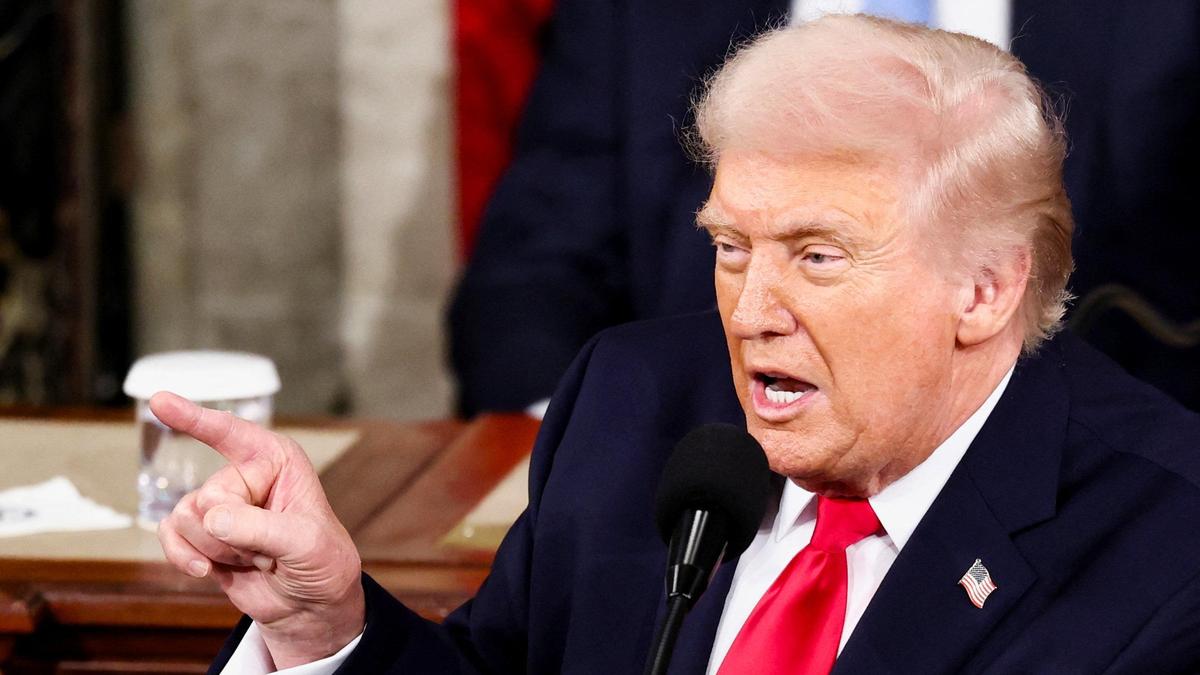
During his State of the Union address on February 24, 2026, U.S. President Donald Trump announced a new policy requiring major technology companies to build their own power plants for their data centers. This measure is intended to alleviate the burden on the national power grid and protect consumers from escalating electricity bills, which are purportedly being driven up by the energy demands of these data centers. The announcement comes amidst growing public concern and opposition to the proliferation of energy-intensive data center projects across the country.
Key Points:
* President Trump announced the “rate payer protection pledge” during his State of the Union address.
* The policy targets major technology companies, compelling them to generate their own electricity for data centers.
* The stated goal is to lower electricity prices for consumers.
* The administration plans to formalize the effort with tech companies in early March 2026.
* The initiative is partly motivated by concerns over the impact of AI data centers on power prices ahead of the November midterm elections.
* PJM Interconnection, a major power grid operator, already has a plan for new large power users to either provide their own power or limit usage.
* Companies like Anthropic and Microsoft have already taken voluntary steps to mitigate the impact of data centers on energy prices.
Critical Analysis:
The timing of this announcement, just before the midterm elections, suggests a strategic move by the Trump administration to address a growing public concern – rising electricity costs – and position Republicans favorably. It also aligns with the administration’s broader agenda of advancing artificial intelligence while mitigating potential negative consequences. The historical context of Trump delivering the “longest State of the Union address ahead of mid-terms as he seeks to calm economic jitters” further reinforces this interpretation.
Key Takeaways:
* The Trump administration is actively intervening in the energy sector to address concerns related to data center energy consumption.
* The policy is presented as a consumer protection measure aimed at lowering electricity costs.
* Political considerations, specifically the upcoming midterm elections, likely play a significant role in driving this initiative.
* The move reflects a growing awareness of the environmental and economic impact of large-scale data centers.
* The government is responding to pressure from grid operators and voluntary initiatives from tech companies.
Impact Analysis:
This policy, if implemented, could have significant long-term consequences for the technology and energy sectors. It may lead to increased costs for tech companies, potentially impacting innovation and competitiveness. It could also spur investment in renewable energy sources and more efficient data center technologies. The success of the policy will depend on the details of its implementation and enforcement, as well as the cooperation of the affected companies. The policy could also serve as a model for other regions or countries grappling with similar challenges related to data center energy consumption.
 First Piper