
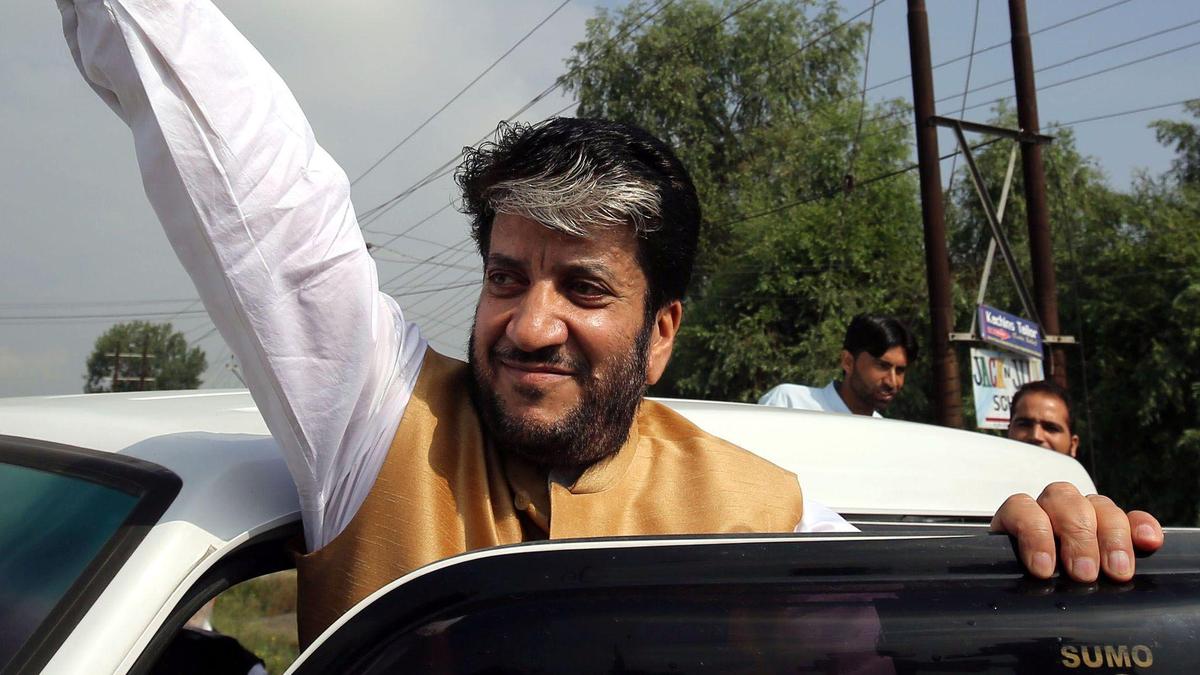
Wed Feb 25 12:54:46 UTC 2026: Headline: Supreme Court Questions NIA’s Reliance on Old Speeches in Separatist Leader’s Bail Hearing
The Story:
The Supreme Court on February 25, 2026, raised concerns regarding the National Investigation Agency’s (NIA) reliance on alleged inflammatory speeches from the 1990s in opposing the bail plea of Kashmiri separatist leader Shabir Ahmed Shah. A bench of Justices Vikram Nath and Sandeep Mehta questioned the relevance of these decades-old speeches, recovered in 2019, in the context of Shah’s current detention. The NIA argued that it possessed incriminating evidence, including videos and emails, against Shah, who was arrested in June 4, 2019, in a terror funding case.
The court has scheduled further arguments for March 12, allowing Shah’s legal representative to respond to the NIA’s submissions. The case highlights the complexities of using historical evidence in contemporary legal proceedings, particularly in cases involving national security and separatist movements.
Key Points:
* The Supreme Court questioned the NIA’s use of speeches from the 1990s in opposing Shabir Ahmed Shah’s bail plea.
* The NIA claims to have recovered inflammatory videos and incriminating emails from Shah’s premises.
* The trial court has already examined 34 witnesses.
* The Supreme Court previously criticized the NIA for not properly presenting its case in January 13, 2026.
* The Delhi High Court denied Shah bail on June 12, 2025, citing the possibility of him influencing witnesses and engaging in unlawful activities.
* Shah was arrested by the NIA on June 4, 2019, in connection with a terror funding case.
* Shah is alleged to have played a “substantial role” in facilitating separatist movements in Jammu and Kashmir.
Critical Analysis:
The court’s skepticism towards the NIA’s reliance on dated material suggests a concern for due process and the potential for the misuse of historical events to justify prolonged detention. The NIA’s argument, while emphasizing the continued relevance of the evidence, faces scrutiny regarding its probative value in the present context. The timing of the recovery of the evidence (2019) and its connection to Shah’s arrest warrant further examination.
Key Takeaways:
* The Supreme Court is carefully scrutinizing the evidence presented by the NIA in this case.
* The age and context of evidence are crucial factors in determining its relevance and admissibility in court.
* The case highlights the challenges of balancing national security concerns with individual rights and due process.
* The judiciary plays a vital role in ensuring that investigative agencies adhere to legal standards and present compelling evidence.
* The ongoing legal proceedings underscore the long-standing tensions and complexities surrounding the Kashmir issue.
Impact Analysis:
The outcome of this case could have significant implications for future cases involving historical evidence and national security charges. A ruling against the NIA’s use of old speeches could set a precedent for stricter scrutiny of evidence in similar cases. Conversely, a ruling in favor of the NIA could embolden the agency to rely on older evidence in other cases involving separatist movements or alleged anti-national activities. The case also highlights the need for a nuanced understanding of the historical context of the Kashmir conflict and its impact on legal proceedings. The final verdict will likely influence the approach of investigative agencies and the judiciary in handling cases involving historical evidence and national security in the future.
 First Piper