
Wed Feb 25 03:31:26 UTC 2026: ### Modi’s Israel Visit Amidst Geopolitical Tensions Draws Criticism and Scrutiny
The Story:
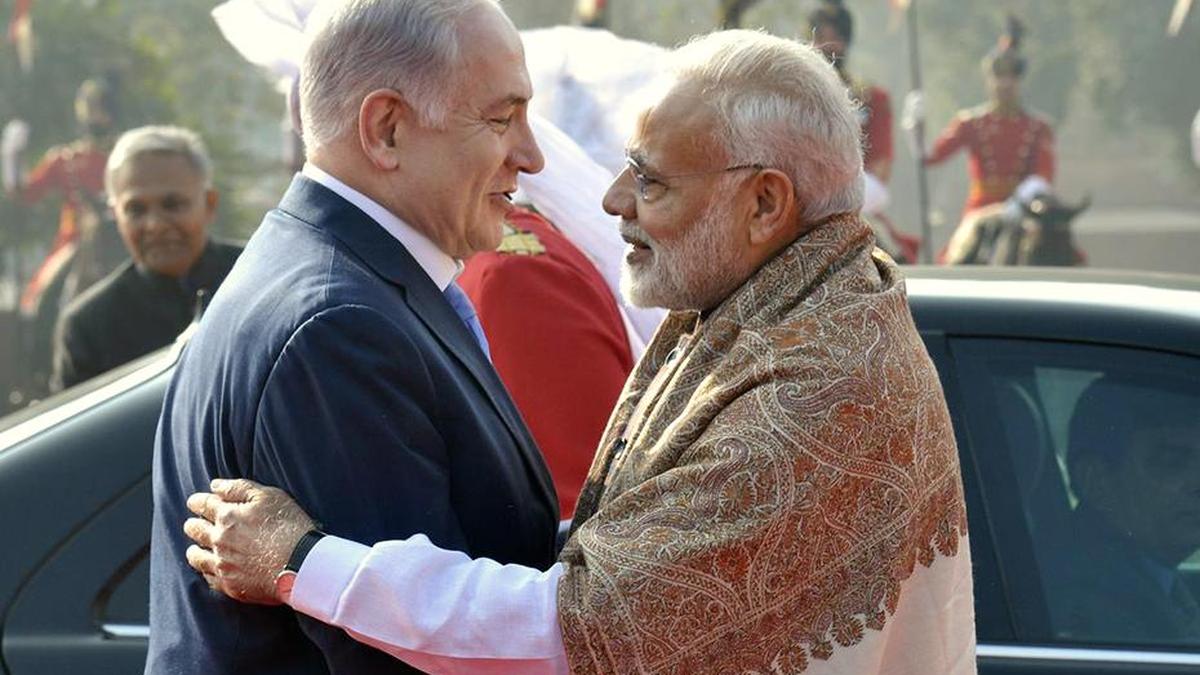
Prime Minister Narendra Modi is set to visit Israel for two days starting on February 25, 2026. This marks his second visit to Israel, the first being in July 2017, the first-ever visit by an Indian Prime Minister to the Jewish state. The visit aims to strengthen bilateral ties with Israeli Prime Minister Benjamin Netanyahu. However, the visit is occurring against a backdrop of escalating tensions in West Asia, with the Congress party criticizing the timing and urging Modi to address the situation in Gaza during his address to the Knesset.
Despite the controversies, Netanyahu has highlighted the importance of the alliance with India, referring to it as a “gigantic power.” The visit includes bilateral talks, an address to the Knesset, and engagements focusing on innovation and cultural connections. The visit’s standalone nature, without engagements with the Palestinian Authority, underscores India’s strategy of “de-hyphenating” its relationship with Israel.
Key Points:
- Prime Minister Narendra Modi will visit Israel from February 25-26, 2026.
- This is Modi’s second visit to Israel, the first being in July 2017.
- Israeli Prime Minister Benjamin Netanyahu publicly announced the visit, emphasizing India’s significance.
- Congress leaders, including Priyanka Gandhi Vadra and Jairam Ramesh, criticized the visit’s timing due to tensions in Gaza and the West Bank.
- The visit includes an address to the Knesset, bilateral talks, and engagements focusing on innovation and the Indian-Jewish diaspora.
- Netanyahu plans to announce a “hexagonal alliance” involving India, Israel, Greece, Cyprus, and unnamed Arab, African and Asian countries.
- Israel’s opposition is demanding that the President of the Supreme Court of Israel be invited to PM Modi’s address to the parliament.
Critical Analysis:
The timing of PM Modi’s visit is highly sensitive. The visit is occurring amidst a volatile geopolitical landscape, including escalating tensions between Israel and Palestine, potential US-Iran conflict, and emerging power blocs in the Middle East. Congress party’s criticism reflects concerns about India’s stance on the Israel-Palestine conflict and the potential impact of closer ties with Israel on India’s relations with Arab nations. The announcement of a “hexagonal alliance” indicates an attempt to consolidate power against perceived threats, reflecting a strategic realignment in the region.
Key Takeaways:
- India is deepening its strategic partnership with Israel, despite regional tensions.
- The visit is politically sensitive, drawing criticism from opposition parties concerned about the Palestinian situation.
- India’s “de-hyphenation” policy signals a shift towards prioritizing its relationship with Israel independently of its ties with Palestine.
- Netanyahu’s announcement of a “hexagonal alliance” suggests a broader strategic agenda beyond bilateral relations.
- The visit highlights the complex balancing act India faces in navigating its relationships in the Middle East.
 First Piper