
Wed Feb 25 10:35:33 UTC 2026: # Modi’s Israel Visit in 2026 Draws Criticism Amid Geopolitical Tensions
The Story:
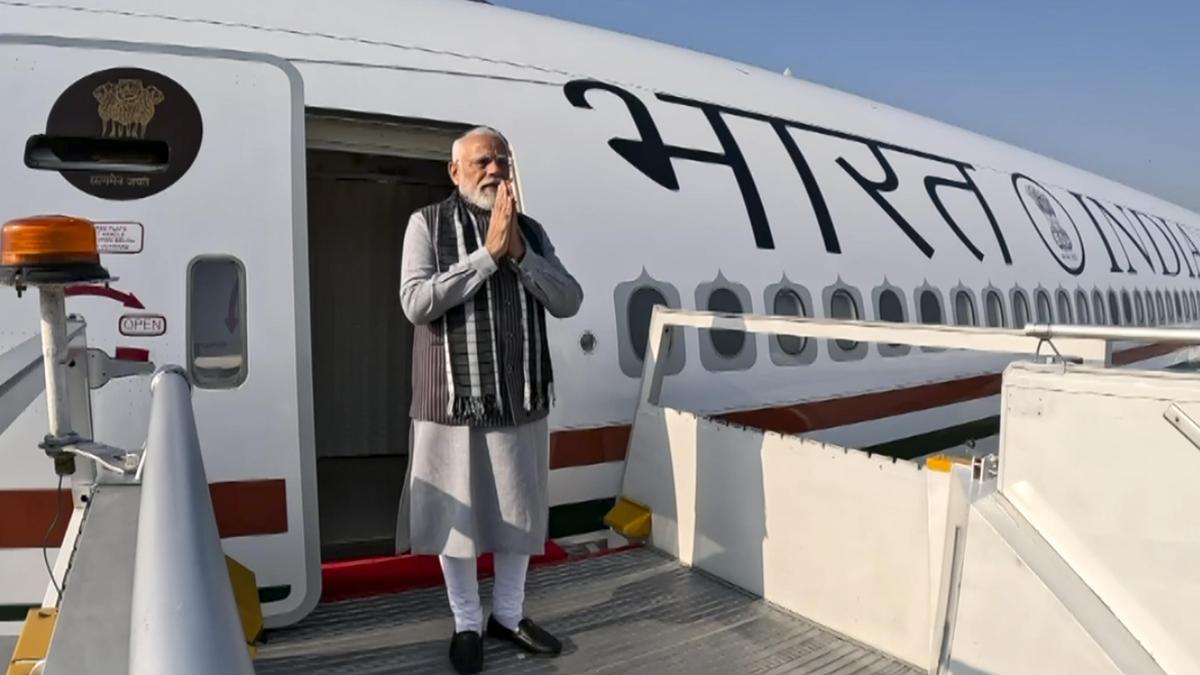
Prime Minister Narendra Modi embarked on a two-day state visit to Israel on February 25, 2026, marking his second trip to the nation, the first being in July 2017, and the first-ever by an Indian Prime Minister. The visit, aimed at strengthening the strategic partnership between India and Israel, is overshadowed by regional tensions, particularly the ongoing conflict in Gaza and fears of a potential U.S. strike on Iran, with Israel potentially being drawn into the conflict. Opposition parties in India, notably the Congress, criticized the timing of the visit, citing Israel’s actions in Gaza and the West Bank, as well as the internal political crisis facing Prime Minister Benjamin Netanyahu.
Key Points:
- Prime Minister Modi is visiting Israel for two days starting February 25, 2026, meeting with Prime Minister Netanyahu and President Herzog, and addressing the Knesset.
- The visit is intended to strengthen the India-Israel strategic partnership across various sectors.
- Congress leaders, including Jairam Ramesh and Priyanka Gandhi Vadra, have criticized the visit, citing concerns over Israel’s actions in Gaza and the West Bank and the timing amid regional tensions.
- Members of Parliament’s Standing Committee on External Affairs questioned the rationale behind the visit, given the advisory for Indian citizens to leave Iran.
- Prime Minister Netanyahu has emphasized the importance of the “tremendous alliance” between Israel and India.
- Israel’s opposition is demanding that the President of the Supreme Court of Israel, Yitzhak Amit, be invited to PM Modi’s address to the parliament, as per protocol.
Critical Analysis:
The visit’s timing is crucial. It occurs against a backdrop of escalating tensions in West Asia, including the ongoing Israeli-Palestinian conflict and the potential for a U.S.-Iran military confrontation. Despite India’s efforts to maintain a balanced approach by engaging with both Israel and the Arab world, the visit is perceived by some as an endorsement of Netanyahu‘s policies, which have drawn international criticism. The Congress party’s criticism reflects a historical stance of solidarity with Palestine, contrasting with the Modi government’s “de-hyphenated” approach to its relationship with Israel.
Key Takeaways:
- India’s strategic partnership with Israel continues to deepen, despite geopolitical complexities.
- Domestic political opposition in India highlights differing views on the country’s foreign policy orientation in the Middle East.
- The timing of the visit underscores the challenges of balancing relationships with various actors in a volatile region.
- The visit is a standalone engagement, excluding interactions with Palestinian Authority leadership, signifying a shift in India’s diplomatic approach.
- The unfolding events demonstrate the intricate interplay between domestic politics, international relations, and regional dynamics in shaping India’s foreign policy.
Impact Analysis:
Prime Minister Modi‘s visit to Israel is likely to have a lasting impact on India’s foreign policy and its relations with countries in the Middle East. The deepening strategic partnership between India and Israel could lead to increased cooperation in defense, technology, and trade, potentially reshaping the regional balance of power. However, the visit also carries the risk of alienating some Arab nations and further complicating India’s efforts to play a mediating role in the Israeli-Palestinian conflict. The long-term implications will depend on how India navigates these complex dynamics and whether it can maintain a balanced approach that respects the interests of all parties involved.
 First Piper