
Wed Feb 25 04:43:30 UTC 2026: ### Modi’s Israel Visit Amidst Geopolitical Headwinds and Domestic Criticism
The Story:
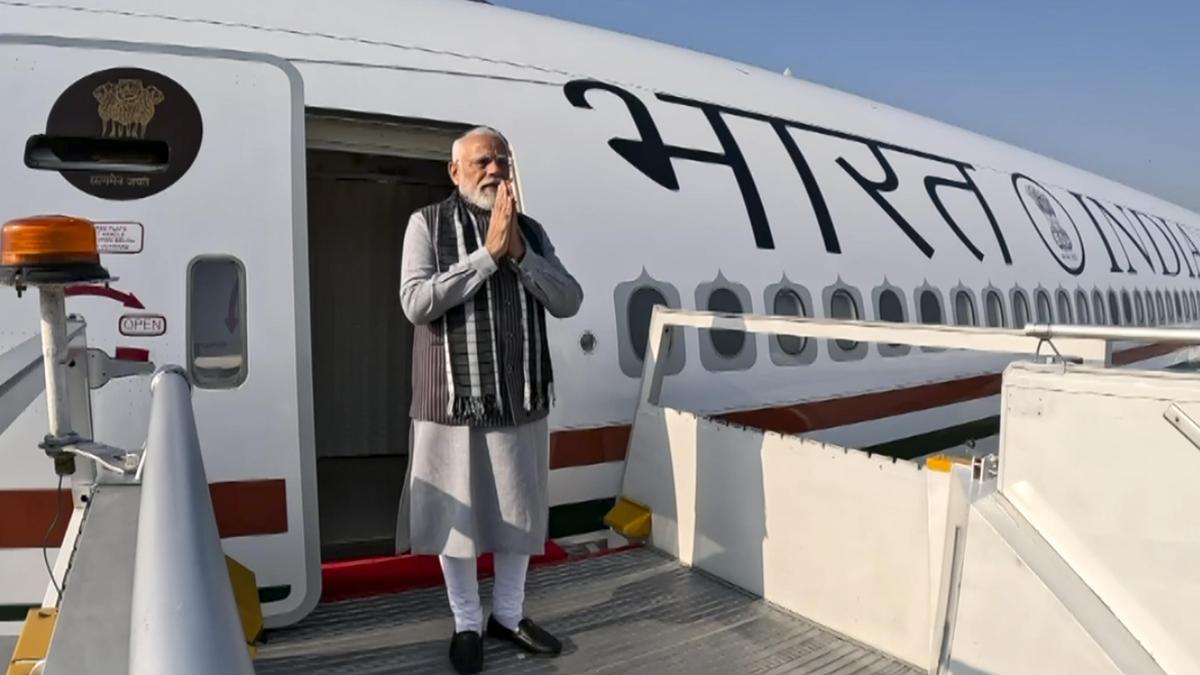
Prime Minister Narendra Modi embarked on a two-day state visit to Israel on February 25, 2026, marking his second trip to the nation and the first ever by an Indian Prime Minister to address the Knesset. The visit, heavily promoted by Israeli Prime Minister Benjamin Netanyahu, is aimed at strengthening the strategic partnership between the two countries across various domains, including defense, technology, and trade. However, the visit is not without its critics. The Congress party has launched scathing attacks on the timing and optics of the visit, citing escalating tensions in West Asia and the Israeli government’s actions in Gaza and the West Bank.
Key Points:
- Prime Minister Narendra Modi’s two-day state visit to Israel began on February 25, 2026.
- Benjamin Netanyahu announced the visit during a conference in Jerusalem, emphasizing the importance of the alliance between Israel and India.
- The visit includes bilateral talks, an address to the Knesset, a private dinner, an innovation event, and a visit to the Yad Vashem Holocaust memorial museum.
- Congress leaders like Jairam Ramesh and Priyanka Gandhi Vadra have criticized the visit, citing concerns over Israeli policies in Gaza and the West Bank, and urging PM Modi to address the “genocide” in Gaza.
- Netanyahu views India as a “gigantic power” and seeks to tighten alliances amid regional tensions.
- The visit is a standalone engagement, with no planned meetings with Palestinian Authority leadership.
- Israel’s opposition has requested that the President of the Supreme Court of Israel, Yitzhak Amit, be invited to PM Modi’s address to the parliament.
Critical Analysis:
The timing of Modi’s visit is particularly significant. Despite escalating tensions in West Asia, India is proceeding with strengthening its ties with Israel. This signals a strategic decision to prioritize the bilateral relationship, even in the face of international criticism and domestic opposition. India’s approach is to “de-hyphenate” its engagement with Israel, meaning it is treating the relationship as independent of its relations with Palestine.
Key Takeaways:
- India is prioritizing its strategic partnership with Israel, even amidst regional instability and international condemnation of Israeli policies.
- The visit highlights a shift in India’s foreign policy, moving away from its traditional pro-Palestine stance to a more balanced approach.
- Domestic political opposition underscores the contentious nature of India’s relationship with Israel.
- Israel views India as a crucial ally and a “gigantic power,” reflecting the growing importance of India on the global stage.
- The visit focuses on deepening cooperation across multiple sectors, solidifying the long-term strategic partnership between India and Israel.
Impact Analysis:
Prime Minister Narendra Modi’s visit to Israel has long-term implications for India’s foreign policy and its role in West Asia.
* Geopolitical Realignment: The visit signifies a deepening alignment between India and Israel, potentially impacting regional dynamics and relations with other countries in the Middle East. This could lead to new alliances and partnerships, while also creating potential friction with countries critical of Israeli policies.
* Economic and Technological Cooperation: The focus on sectors like defense, technology, and agriculture indicates a long-term commitment to enhancing economic and technological cooperation between the two nations. This could lead to increased trade, investment, and knowledge-sharing, benefiting both economies.
* Domestic Political Discourse: The visit is likely to fuel further debate and polarization within India regarding its foreign policy orientation. The Congress party’s criticism highlights the divide between those who support closer ties with Israel and those who advocate for
 First Piper