
Wed Feb 25 10:37:26 UTC 2026: # Pakistan Faces Rising Militancy, Escalates Security Measures Following Cross-Border Strikes
The Story:
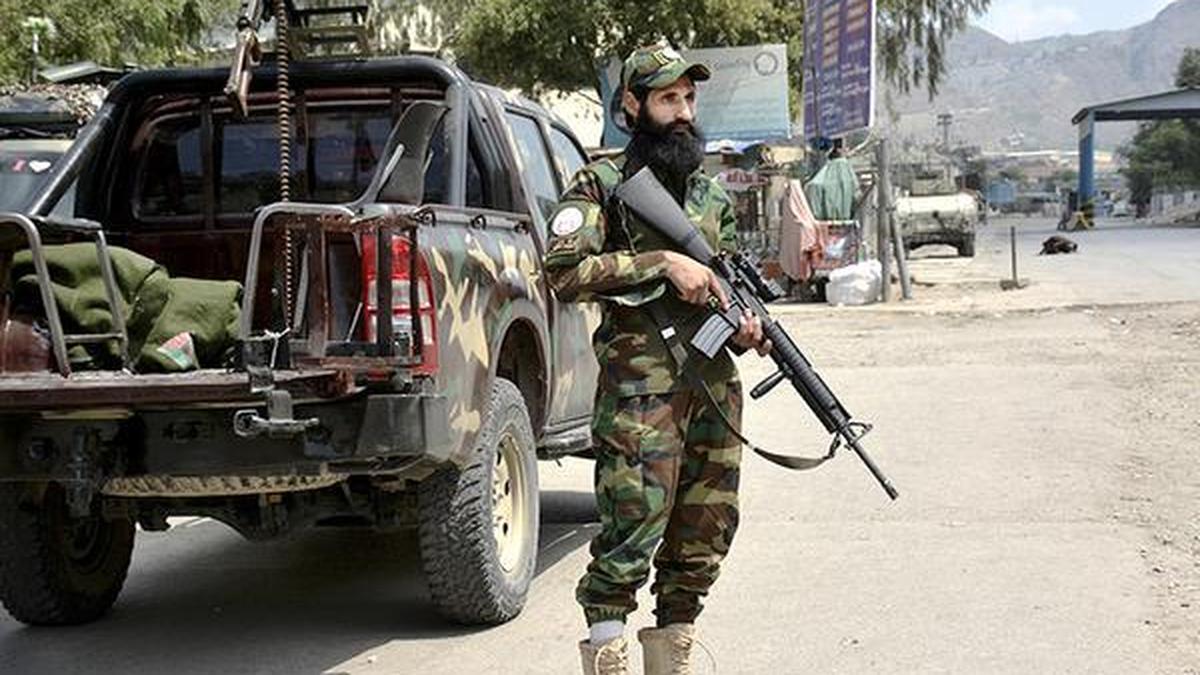
Pakistan is grappling with a surge in militant attacks, prompting heightened security measures and arrests following air strikes conducted in Afghanistan. Pakistani officials claim these strikes targeted militant hideouts responsible for recent suicide bombings within Pakistan. However, Kabul denies harboring these militants, asserting that the militancy is an internal Pakistani issue. Cross-border firing has further strained relations, with both sides accusing the other of initiating the conflict. The situation is escalating, with intelligence agencies warning of a potential surge in terror attacks across Pakistan.
Key Points:
- February 24, 2026: Pakistani and Afghan forces exchanged fire along the border, resulting in casualties on the Afghan side.
- Pakistan conducted air strikes in Afghanistan, claiming to target militant hideouts.
- Islamabad accuses Kabul of providing safe haven to militants, a charge Kabul denies.
- Militant attacks within Pakistan have risen sharply since 2022, with attacks nearly quadrupling by 2025.
- Intelligence agencies have issued alerts for a possible surge in terror attacks in urban centers, markets, security forces, and places of worship.
- Security forces have arrested dozens of suspected militants, handlers, and facilitators.
- The Tehrik-i-Taliban Pakistan (TTP) attacks increased more than seven-fold to 838 from 118 between 2022 and 2025.
Critical Analysis:
The rise in militant attacks in Pakistan, coupled with cross-border tensions with Afghanistan, appears to be exacerbating a pre-existing security crisis. Pakistan’s strategy of conducting air strikes in Afghanistan, while intended to deter militant activity, is likely inflaming tensions and potentially leading to retaliatory attacks. The historical context provided suggests a complex geopolitical landscape, with Pakistan navigating internal security threats amidst regional concerns, including its relationship with India and external perceptions of its role in the “Muslim Ummah.”
Key Takeaways:
- Pakistan’s security situation is deteriorating, marked by a significant increase in militant attacks.
- Cross-border tensions with Afghanistan are escalating, fueled by accusations of harboring militants.
- Pakistan’s counter-terrorism strategies, including air strikes in Afghanistan, are proving controversial and potentially counterproductive.
- Intelligence agencies are on high alert for a potential surge in terror attacks across Pakistan.
- The TTP poses a significant threat to Pakistan’s stability.
Impact Analysis:
The escalating militancy and cross-border tensions could have significant long-term implications for Pakistan’s stability and regional security. Increased terror attacks could destabilize urban centers, disrupt economic activity, and undermine public confidence in the government. Further deterioration in relations with Afghanistan could lead to a protracted conflict, exacerbating the humanitarian crisis in the region and potentially drawing in other regional actors. The international community will likely monitor the situation closely, with potential implications for aid and diplomatic relations.
 First Piper