
Wed Feb 25 07:13:04 UTC 2026: Headline: Supreme Court Intervenes Further in West Bengal Voter Roll Revision, Setting Deadlines and Clarifying Acceptable Documents
The Story:
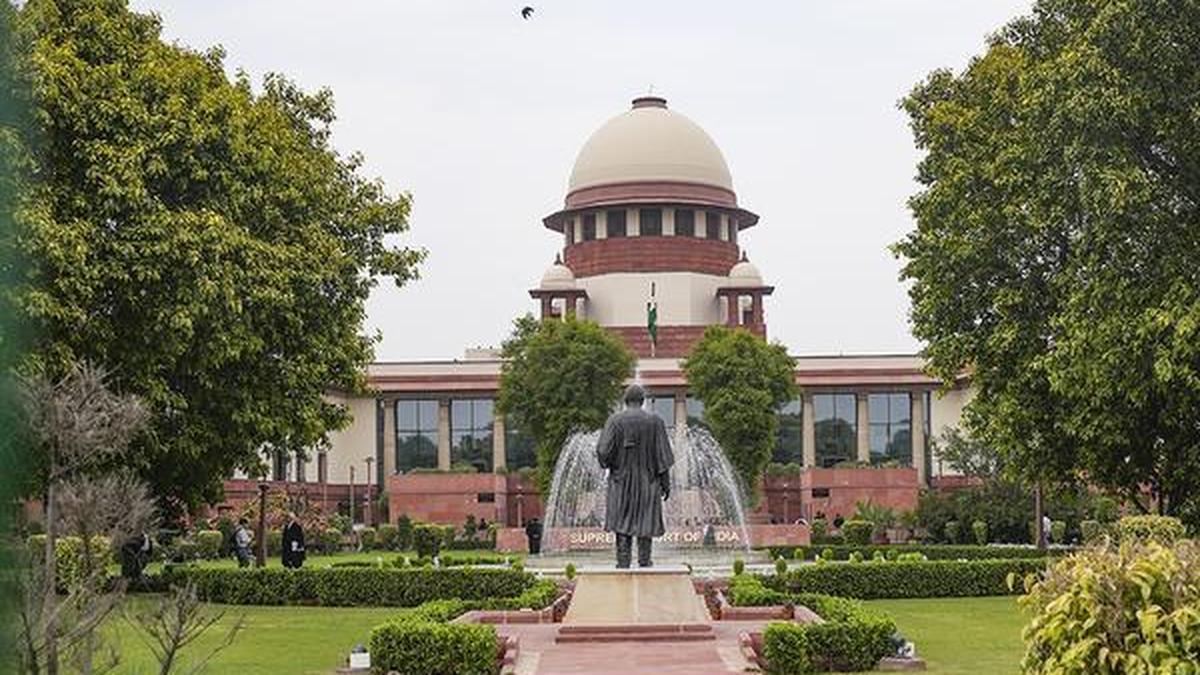
The Supreme Court of India has intensified its involvement in the West Bengal Special Intensive Revision (SIR) of electoral rolls, issuing further directives to ensure the process is completed efficiently and fairly. On February 25, 2026, a three-judge Bench, headed by Chief Justice Surya Kant, clarified that Madhyamik (Class 10) admit cards, along with pass certificates, are valid proof of birth and parentage for electors undergoing verification. This clarification came at the request of the Election Commission of India (EC). The Court also mandated that all verification documents received before February 14, 2026, and not yet uploaded, must be submitted by Election Registration Officers/Assistant Election Registration Officers (EROs/AEROs) by 5 p.m. on February 26, 2026.
The Court’s continued intervention underscores a “trust deficit” between the West Bengal government and the EC, leading to the deployment of judicial officers to oversee the quasi-judicial tasks of EROs/AEROs. The EC is still scheduled to publish a voter list on February 28, 2026, with supplementary lists to be continuously updated until nominations for Assembly elections are finalized.
Key Points:
- The Supreme Court clarified that Madhyamik admit cards and pass certificates are acceptable proof of birth and parentage during the West Bengal SIR.
- EROs/AEROs must submit all un-uploaded verification documents received before February 14, 2026, by 5 p.m. on February 26, 2026.
- The Supreme Court has deployed judicial officers to oversee the SIR due to a “trust deficit” between the West Bengal government and the EC.
- The EC is permitted to publish a voter list on February 28, 2026, with supplementary lists to follow.
- The court has been actively involved, even requesting judges from neighboring states to assist.
Critical Analysis:
The Supreme Court’s continued and deepening involvement in the West Bengal SIR process highlights a severe lack of confidence in the existing electoral machinery within the state. The “trust deficit” cited by the court suggests systemic issues with impartiality and transparency. The unusual step of deploying judicial officers, even drawing resources from neighboring states, indicates the gravity of the situation and the court’s commitment to ensuring a fair and accurate voter roll.
Key Takeaways:
- The Supreme Court is actively managing the West Bengal SIR process to address impartiality concerns.
- The acceptance of Madhyamik admit cards simplifies the verification process for electors.
- The February 28, 2026, voter list publication is a key deadline, but supplementary lists will continue to be updated.
- The ongoing intervention suggests potential vulnerabilities in the electoral system in West Bengal.
- The situation underscores the importance of public trust in electoral processes and the judiciary’s role in safeguarding them.
Impact Analysis:
The Supreme Court’s intervention is likely to have a significant impact on the upcoming Assembly elections in West Bengal. A more thoroughly vetted voter roll could potentially alter the electoral landscape. The deployment of judicial officers aims to reduce the risk of manipulation and ensure a more credible election. The long-term effect may be an increased awareness of the importance of electoral integrity and a greater scrutiny of the electoral process in West Bengal. The involvement of the judiciary might also set a precedent for similar interventions in other states where electoral integrity is in question.
 First Piper