
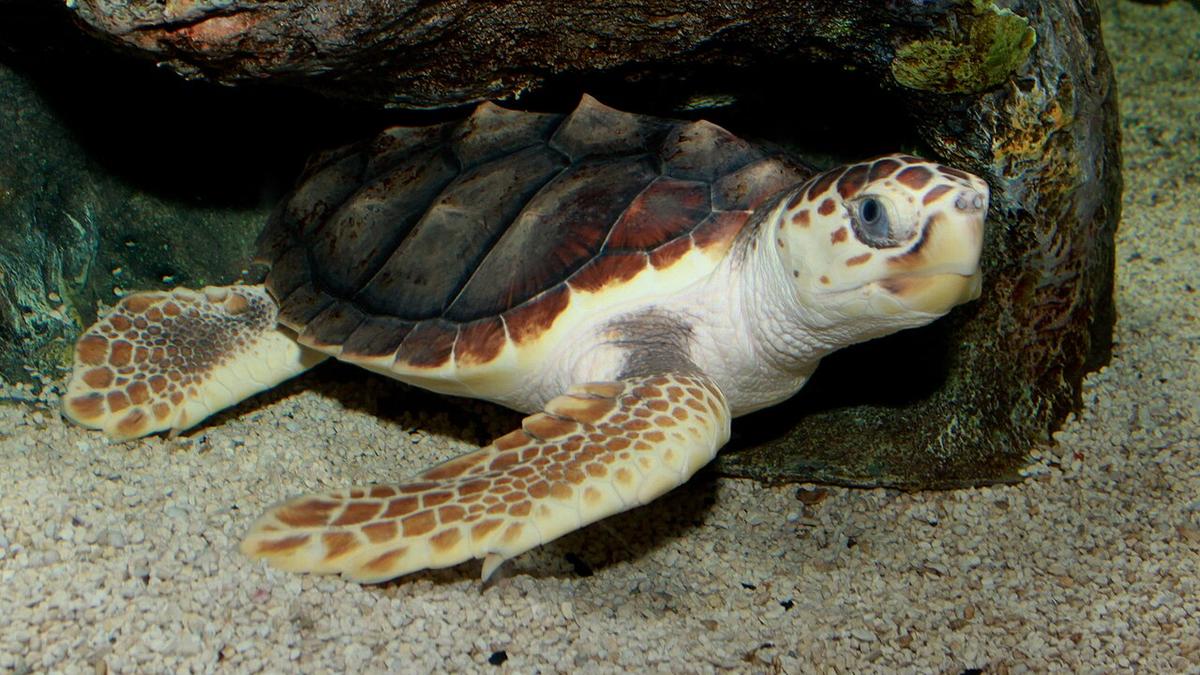
Mon Feb 16 15:58:18 UTC 2026: ### Loggerhead Turtles Shrinking, Laying Fewer Eggs Due to Climate Change: Study
The Story:
A new study published in the journal Animals on February 17, 2026, reveals that loggerhead turtles off the coast of West Africa are experiencing significant impacts from climate change. Over a 17-year period, scientists observed that the turtles are nesting earlier in the year, producing fewer eggs, and becoming smaller in size. These changes are attributed to warming ocean temperatures and dwindling marine food sources. Researchers fear these adaptive behaviors may have long-term consequences for the species’ survival.
Key Points:
- Loggerhead turtles in Cabo Verde are nesting earlier due to warmer temperatures.
- Female loggerheads are breeding less frequently, with intervals increasing from every two years to every four years.
- The number of eggs per nest is decreasing.
- The turtles are getting smaller in size, further reducing reproductive output.
- Food supply in the ocean is dwindling, as indicated by satellite estimates of chlorophyll.
- Rising sea levels are eroding nesting beaches, and changes in nest temperatures are affecting the sex ratio of hatchlings.
- Conservation strategies need to extend beyond nesting sites to protect feeding habitats.
Key Takeaways:
- Climate change is significantly impacting the reproductive capabilities and physical size of loggerhead turtles.
- The observed changes in turtle behavior, while seemingly adaptive, may have detrimental long-term consequences for the species.
- Conservation efforts must broaden their scope to include the protection of feeding grounds and address the underlying causes of climate change.
- The study highlights the vulnerability of marine ecosystems to global warming and the urgent need for comprehensive conservation strategies.
Impact Analysis:
The shrinking size and reduced reproductive output of loggerhead turtles serve as a stark warning about the broader impacts of climate change on marine ecosystems. This decline could have cascading effects on the food chain and overall biodiversity. The findings underscore the necessity for international cooperation to mitigate climate change and implement effective conservation measures, including protecting critical feeding habitats and reducing other pressures on marine ecosystems. Failure to act decisively could lead to further population declines and potentially the extinction of this iconic species.
 First Piper