
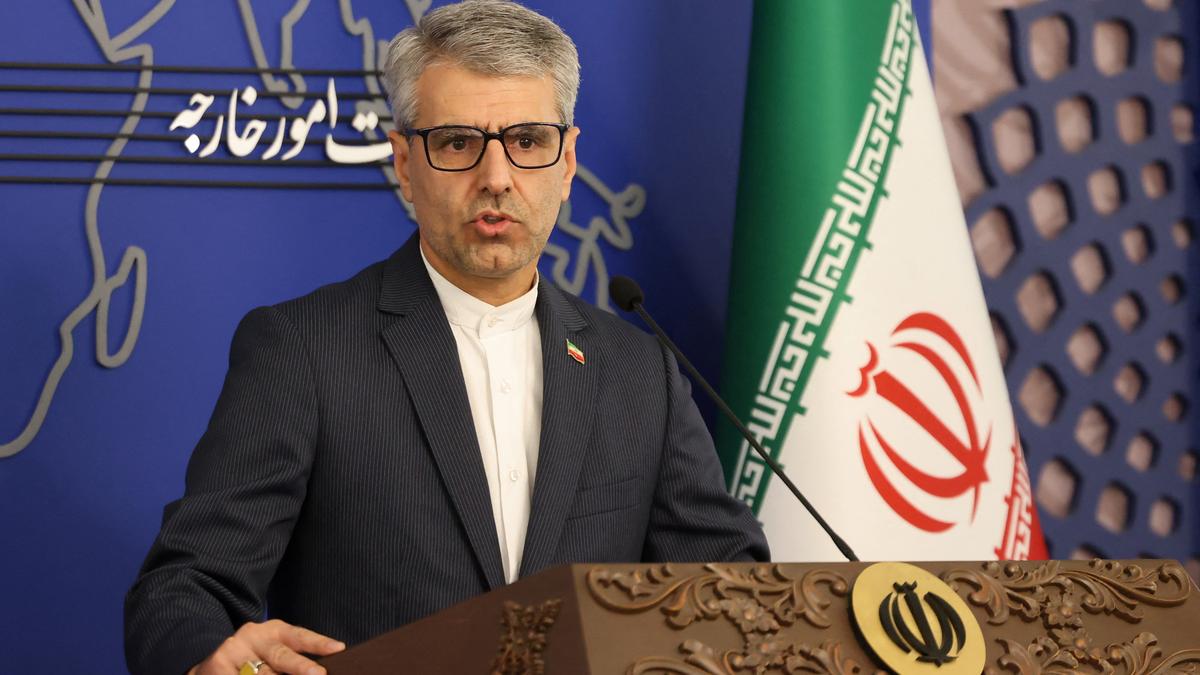
Wed Feb 25 10:45:43 UTC 2026: ### Headline: Iran Denies U.S. Allegations of Nuclear Ambitions and Missile Development
The Story:
On February 25, 2026, Iran’s Foreign Ministry dismissed U.S. claims regarding its nuclear program, ballistic missile development, and the number of casualties during recent unrest as “big lies.” This response followed President Donald Trump’s assertion that Iran was developing missiles capable of reaching the United States. The exchange occurs amidst ongoing Oman-mediated talks between Washington and Tehran aimed at reaching a deal on Iran’s nuclear program, with a third round scheduled for February 26.
Key Points:
- Iran denies U.S. allegations about its nuclear program and missile development.
- President Trump claims Iran is developing missiles that could reach the U.S.
- Iran’s Foreign Minister Abbas Araghchi stated earlier in February 2026 that Iran lacks the capability to target the U.S. but would attack American bases in the Middle East if attacked.
- Trump also reiterated that Iran would never be allowed to build a nuclear weapon and alleged that Iranian authorities killed 32,000 people during recent protests.
- Iranian officials acknowledge over 3,000 deaths, attributing the violence to “terrorist acts” fuelled by the U.S. and Israel.
- The U.S. is calling for zero uranium enrichment by Iran and wants to address its ballistic missile program and support for militant groups.
- Trump has deployed a significant naval force to the Middle East.
Critical Analysis:
The news report highlights a continuation of a long-standing pattern of distrust and escalating rhetoric between the U.S. and Iran. The context provided by the related headlines shows that Trump’s administration is considering parallels between Iran and Venezuela, potentially indicating a strategy of applying maximum pressure through economic sanctions and military posturing. The mention of the lessons from Iraq and Afghanistan suggests a debate within the U.S. about the potential consequences of military intervention.
Key Takeaways:
- The U.S. and Iran remain deeply divided over Iran’s nuclear program and missile development.
- Escalating rhetoric from both sides increases the risk of miscalculation and potential conflict.
- Ongoing Oman-mediated talks represent a crucial opportunity for de-escalation, but significant obstacles remain.
- The US is increasing military presence in the middle east, adding to the already tense situation.
Impact Analysis:
The failure of the ongoing talks could lead to increased sanctions, military confrontation, and further destabilization of the Middle East. The deployment of a significant naval force by the U.S. serves as a deterrent but also increases the risk of accidental encounters or misinterpretations that could trigger a conflict. The long-term implications include a potential nuclear arms race in the region and a further erosion of international norms regarding nuclear proliferation.
 First Piper