
Tue Feb 24 18:52:04 UTC 2026: Headline: Iran Signals Nuclear Deal “Within Reach” Amidst Tensions with the U.S.
The Story:
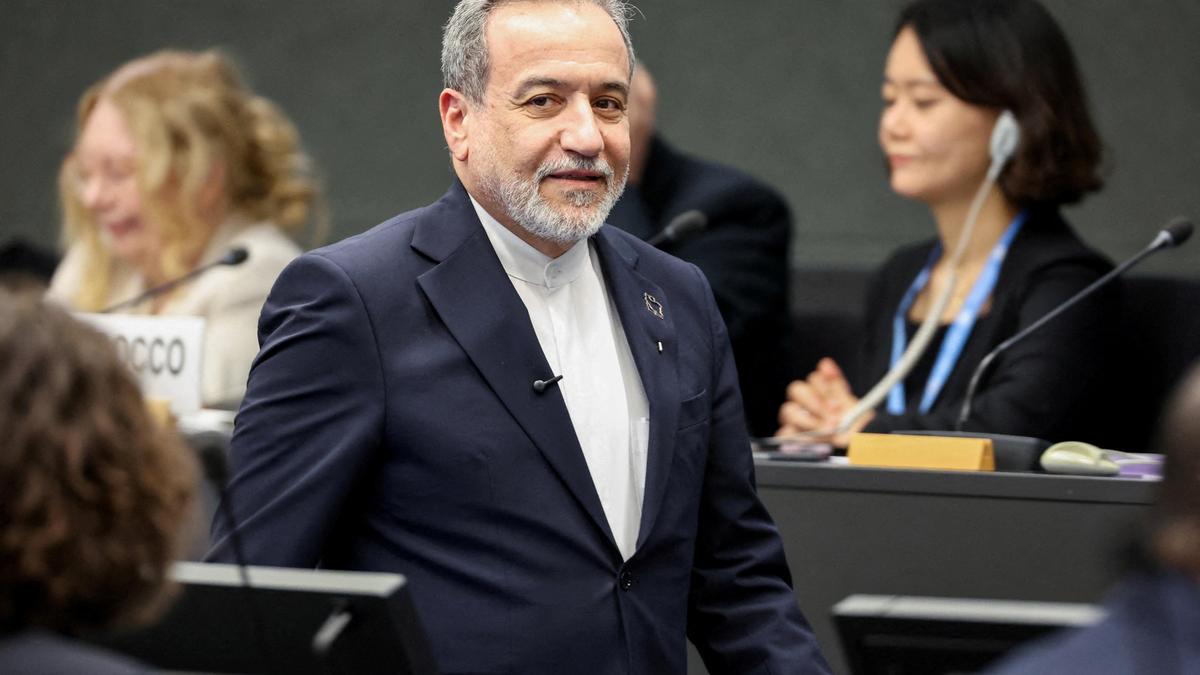
Iranian Foreign Minister Abbas Araghchi stated on Tuesday, February 24, 2026, that a nuclear deal with the United States is “within reach,” ahead of scheduled talks in Geneva. He emphasized the potential for an “unprecedented agreement” addressing mutual concerns, urging that diplomacy be prioritized. The announcement comes amidst heightened tensions, including a significant U.S. military deployment in the region and threats from U.S. President Donald Trump regarding potential strikes if a deal isn’t achieved.
The negotiations are a continuation of talks that were disrupted last year by Israel’s attack on Iran leading to a 12-day war, which included brief U.S. strikes on Iranian nuclear sites and Iranian retaliation targeting Israel and a U.S. military base in Qatar. Iran maintains its stance that it has no intention of developing nuclear weapons but insists on its right to enrich uranium for peaceful purposes.
Key Points:
- Abbas Araghchi, Iran’s Foreign Minister, believes a nuclear deal is “within reach.”
- Talks between Tehran and Washington are scheduled for Thursday in Geneva.
- The U.S. has a heavy military presence in the region, and President Trump has threatened military action.
- Iran has stated it will respond firmly to any attack.
- Iran denies seeking nuclear weapons but defends its right to peaceful nuclear technology.
- Previous nuclear talks were halted by Israel’s attack on Iran last year.
Critical Analysis:
The statement from Araghchi appears to be a strategic attempt to de-escalate tensions and create a positive atmosphere before the upcoming talks. Given the U.S. military build-up and President Trump’s threats, Iran seems to be signaling a willingness to compromise while simultaneously reiterating its red lines regarding sovereignty and peaceful nuclear activities. The reference to the disrupted talks of the previous year highlights Iran’s perception that external factors (Israel’s actions) have hindered progress.
Key Takeaways:
- The possibility of a nuclear deal between the U.S. and Iran remains alive, although fragile.
- U.S. military pressure is a significant factor influencing the negotiations.
- The legacy of the previous year’s conflict continues to cast a shadow over the talks.
- Iran is attempting to balance its desire for a deal with its commitment to national sovereignty.
- The role of external actors, particularly Israel, remains a potential spoiler.
Impact Analysis:
The success or failure of these talks will have profound implications for regional stability and international security. A deal could ease tensions, prevent a potential military conflict, and re-establish a framework for nuclear non-proliferation. Failure, on the other hand, could lead to further escalation, potentially drawing the U.S. and Iran into a more direct and prolonged conflict. The consequences could destabilize the entire Middle East and potentially impact global energy markets. The outcome will also heavily influence the future of Iran’s nuclear program and its relationship with the international community.
 First Piper