
Tue Feb 24 17:52:08 UTC 2026: # Imran Khan Receives Eye Treatment Amidst Political Tensions
The Story:
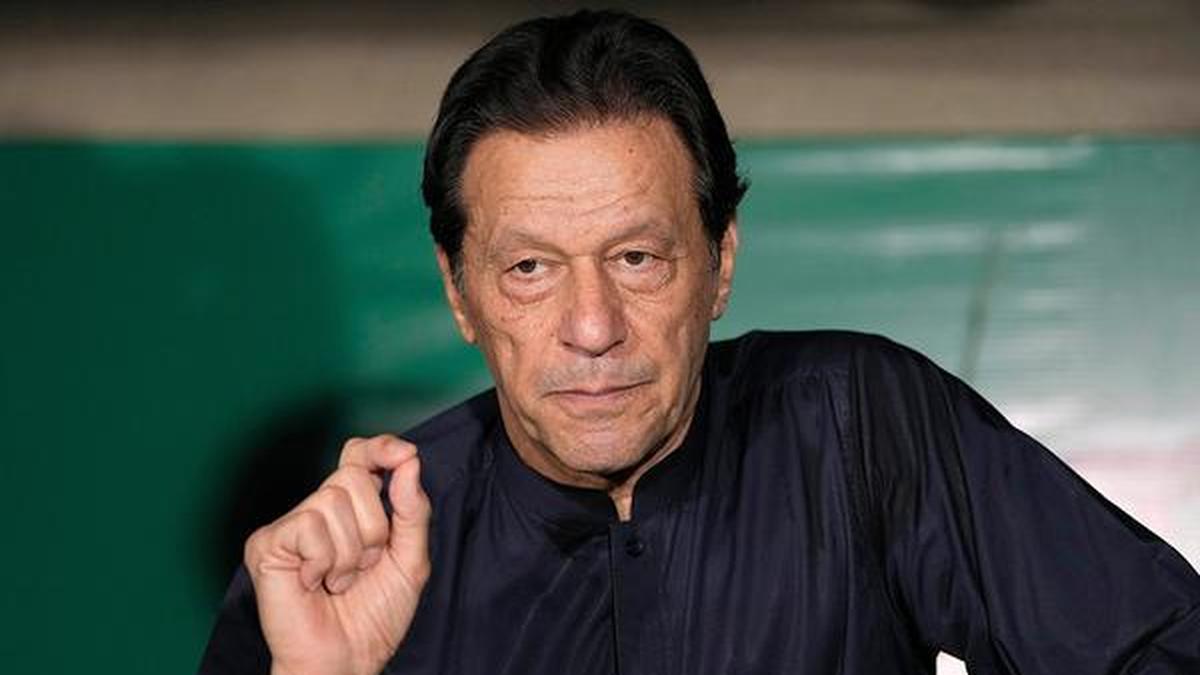
Pakistan’s former Prime Minister Imran Khan, currently incarcerated at Adiala Jail, was transported to the Pakistan Institute of Medical Sciences (PIMS) in Islamabad on February 24, 2026, for treatment of a right central retinal vein occlusion (CRVO). This was his second anti-VEGF intravitreal injection, following an initial treatment on January 24, 2026. The procedure was reportedly successful, with Khan being returned to Adiala Jail after the day-care surgery. However, Khan’s party, Pakistan Tehreek-e-Insaf (PTI), and his family are demanding transparency and advocating for his treatment at Shifa International Hospital, a private facility, citing distrust in government medical facilities.
The situation is further complicated by ongoing protests from PTI workers and the Tehreek-e-Tahafuz-i-Ayin-in-Pakistan (TTAP) alliance, demanding Khan’s release. Simultaneously, one of Khan’s sisters, Noreen Khan, was injured near Adiala Jail while attempting to meet with him, highlighting the heightened tensions surrounding his imprisonment.
Key Points:
- Imran Khan, former Prime Minister of Pakistan, received eye treatment at PIMS in Islamabad on February 24, 2026.
- He is suffering from right central retinal vein occlusion (CRVO).
- The treatment involved a second dose of anti-VEGF intravitreal injection.
- PTI and Khan’s family are requesting that he be treated at Shifa International Hospital, questioning the transparency of government medical facilities.
- Protests are ongoing, demanding Khan’s release and better medical care.
- Noreen Khan, Imran Khan’s sister, was injured near Adiala Jail while trying to meet him.
Critical Analysis:
The events surrounding Imran Khan’s medical treatment are deeply intertwined with the ongoing political turmoil in Pakistan. The PTI’s distrust of government facilities and their demand for treatment at a private hospital underscore a broader narrative of perceived political persecution and lack of faith in state institutions. The protests and the incident involving Khan’s sister further illustrate the charged atmosphere and the lengths to which supporters are willing to go to show their support and challenge the government’s actions.
Key Takeaways:
- Imran Khan’s health and medical treatment have become a focal point of political contention in Pakistan.
- The PTI’s demand for independent medical care reflects a deep-seated distrust of the current government.
- The situation highlights the ongoing political instability and the challenges faced by the Pakistani government in managing the fallout from Khan’s arrest and conviction.
- The incident involving Noreen Khan underscores the volatile atmosphere surrounding Adiala Jail and the restrictions on access to the former Prime Minister.
- The public perception of fairness and transparency in Khan’s treatment is crucial for maintaining stability and preventing further escalation of tensions.
Impact Analysis:
The handling of Imran Khan’s medical care has significant long-term implications for Pakistan’s political landscape. The perceived lack of transparency and the government’s reluctance to allow treatment at a private hospital could further erode public trust in state institutions and fuel the narrative of political victimization. This, in turn, could lead to increased social unrest and instability. Conversely, addressing the concerns of the PTI and ensuring transparent and independent medical care could help de-escalate tensions and foster a more conducive environment for political dialogue. The situation will likely influence future elections and the overall trajectory of Pakistani politics.
 First Piper