
Wed Feb 25 09:01:29 UTC 2026: ### Gujarat High Court Flags Use of AI-Generated Citations by Tax Department, Seeks Guidelines
The Story:
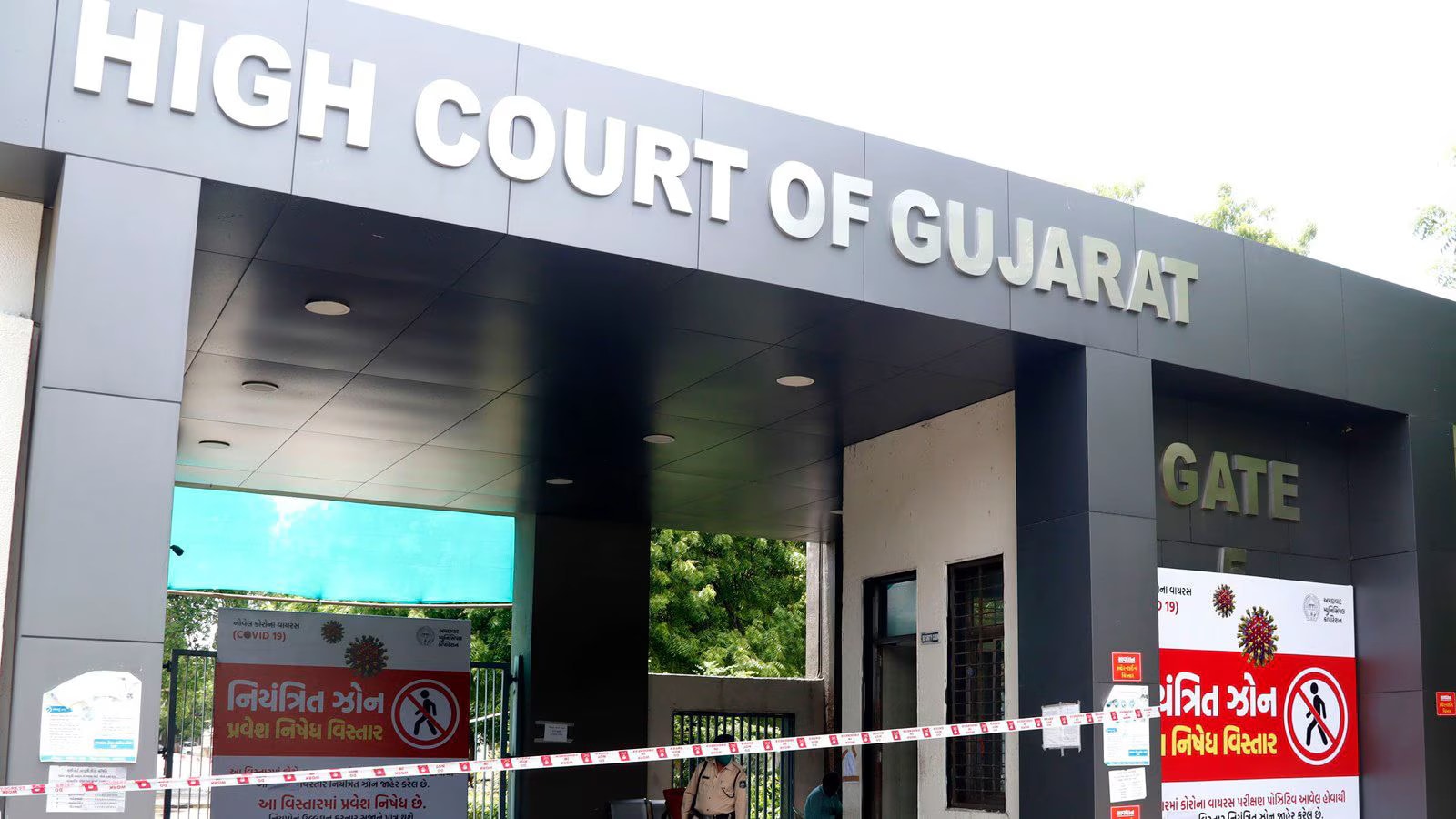
The Gujarat High Court has raised serious concerns about the Central Goods and Services Tax (CGST) and excise department’s reliance on what appears to be AI-generated citations and case laws. The court issued notices to the department, demanding an explanation for submissions that included non-existent or irrelevant judgments. This action was prompted by a case involving M/s Marhabba Overseas Private Limited, where the department allegedly cited rulings unrelated to the firm’s issues in an order issued on September 26, 2025.
The High Court bench, consisting of Justice A S Supehia and Justice Pranav Trivedi, emphasized the need for parameters to regulate the use of AI-generated legal references by quasi-judicial authorities. The court observed that the findings based on these citations were “flawed and deceptive” and called for a response from the CGST’s senior standing counsel by March 12.
Key Points:
- The Gujarat High Court issued notices to the CGST and excise department over the use of potentially AI-generated legal citations.
- The case originated from a dispute involving M/s Marhabba Overseas Private Limited, where the department allegedly cited irrelevant or non-existent judgments.
- Senior Advocate S N Soprkar brought the issue to the court’s attention, highlighting a “worrying trend” of reliance on flawed citations.
- The court observed that the findings recorded by the additional commissioner of the central GST and central excise department were “flawed and deceptive”.
- The court has scheduled a hearing for March 12 to address the concerns and consider prescribing guidelines for quasi-judicial authorities.
Key Takeaways:
- The incident highlights the potential risks associated with the uncritical use of AI in legal research and decision-making.
- It underscores the importance of human oversight and verification when using AI tools in professional contexts, particularly in legal matters.
- The Gujarat High Court’s intervention could lead to the establishment of clearer guidelines for the use of AI in quasi-judicial proceedings, setting a precedent for other jurisdictions.
- There is a need for training and awareness among legal professionals regarding the limitations and potential inaccuracies of AI-generated information.
- The incident raises questions about the level of due diligence being exercised by government departments in verifying the accuracy of legal citations.
 First Piper