
Wed Feb 25 07:32:48 UTC 2026: # German Chancellor Merz Visits China Seeking Fair Trade and Ukrainian Peace
The Story:
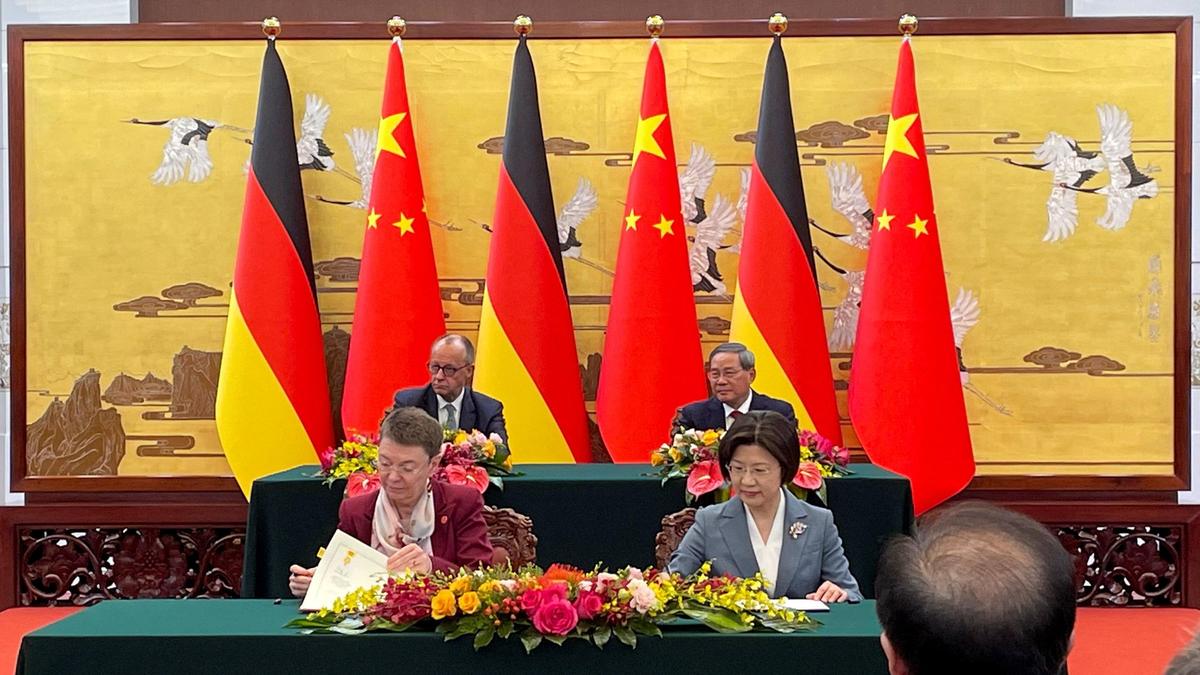
German Chancellor Friedrich Merz is in Beijing on February 25, 2026, meeting with Chinese Premier Li Qiang. The visit aims to address economic imbalances between Germany and China, particularly the flood of Chinese exports impacting European factory jobs. Merz is also seeking China’s assistance in resolving the ongoing four-year war in Ukraine, acknowledging Beijing’s influence in Moscow. This visit follows similar trips by French President Emmanuel Macron and British Prime Minister Keir Starmer, and precedes a planned visit by U.S. President Donald Trump, highlighting a united European front in their dealings with China.
Key Points:
- February 25, 2026: German Chancellor Friedrich Merz begins a two-day visit to China.
- Merz aims to secure a “fair economic playing field” for German companies.
- He seeks China’s assistance in ending the war in Ukraine, noting Beijing’s influence in Moscow.
- Germany’s imports from China rose 8.8% to 170.6 billion euros ($201 billion) last year, while its exports to China fell 9.7% to 81.3 billion euros ($96 billion).
- European leaders want China to build factories in their countries and reduce manufacturing overcapacity.
- China is pushing back against U.S. tariffs and seeking support for multilateralism.
Critical Analysis:
The flurry of visits from European leaders to China underscores a coordinated strategy to address trade imbalances and geopolitical concerns. Europe seeks to leverage China’s economic power while simultaneously pressuring it to act responsibly on the international stage, particularly regarding the conflict in Ukraine. The timing of these visits, preceding a planned trip by U.S. President Trump, suggests an attempt to present a unified European stance before Trump engages with China, potentially mitigating the impact of his protectionist policies.
Key Takeaways:
- Europe is attempting to forge a unified strategy in dealing with China, balancing economic opportunities with concerns about trade imbalances and geopolitical influence.
- The war in Ukraine remains a significant point of contention, with European leaders hoping to leverage China’s relationship with Russia to bring about a resolution.
- Economic competition between Europe and China is intensifying, with Europe seeking to address issues of overcapacity and market access.
- China positions itself as a champion of multilateralism in the face of U.S. protectionist policies.
Impact Analysis:
The success of Chancellor Merz’s visit, and the subsequent visits by other world leaders, will likely shape the future of Sino-European relations. If Europe can successfully negotiate fairer trade practices and enlist China’s help in resolving the Ukraine conflict, it could strengthen the European Union’s position on the world stage. Conversely, failure to achieve these goals could lead to increased economic tensions and further geopolitical instability. The outcome of these high-level discussions will also influence the trajectory of the global order, particularly in the context of rising protectionism and challenges to established international institutions.
 First Piper