
Wed Feb 25 15:43:38 UTC 2026: # Farmers’ Indefinite Protest Over Safari Resumption and Illegal Resorts Grips Mysuru
The Story
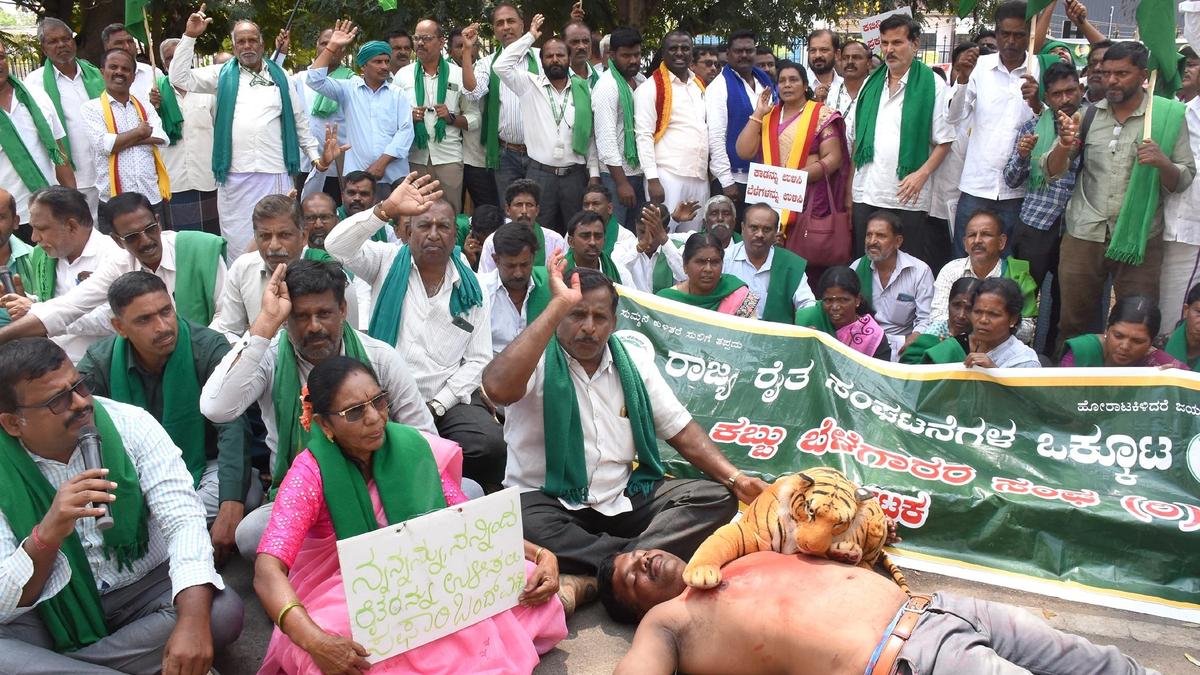
Farmers in Mysuru are engaged in an indefinite protest, which began on Wednesday, February 25, 2026, against the resumption of safari activities in forest areas and the presence of illegal resorts. The protest, spearheaded by various farmers’ outfits, including the Federation of State Farmers’ Associations and the Save Kabini Committee, saw farmers rallying from Gun House circle to the Deputy Commissioner’s office. Despite discussions with senior district officials, including Regional Commissioner Nitesh Patil and Deputy Commissioner Lakshmikant Reddy, the farmers deemed the assurances insufficient and vowed to continue their agitation.
The core of the farmers’ concerns revolves around the perceived negative impact of safari activities on wildlife movement and the alleged inaction against illegal resorts operating within forest boundaries. While officials acknowledged the issue of illegal resorts and promised to send a report regarding safari activities to the government, the farmers remain unconvinced.
Key Points
- Farmers are protesting the resumption of safari and the existence of illegal resorts in Mysuru forest areas.
- The protest is led by multiple farmers’ organizations, including the Federation of State Farmers’ Associations and the Save Kabini Committee.
- Farmers held talks with senior district officials but found their assurances inadequate.
- The Deputy Commissioner reportedly acknowledged the presence of six illegal resorts in the Kabini and Nagarahole areas.
- The farmers have declared an indefinite agitation until their demands are met with concrete action.
Critical Analysis
The historical context provided reveals a broader pattern of protests occurring across Karnataka and Kerala on February 25, 2026. These range from protests by revenue officials and BJP warnings, to student demonstrations and political opposition. The farmers’ protest in Mysuru, specifically building upon previous “official inaction” regarding illegal forest resorts, suggests a growing dissatisfaction with governmental responsiveness to local issues and the enforcement of existing regulations. The concurrent nature of these protests highlights a potentially widespread discontent that might be indicative of deeper systemic problems.
Key Takeaways
- Farmers are concerned about the impact of safari resumption on wildlife and human-animal conflict.
- The presence of illegal resorts is a significant point of contention, raising questions about enforcement of environmental regulations.
- The farmers’ indefinite protest indicates a lack of trust in the government’s willingness to address their concerns effectively.
- The timing of the protest within a larger context of demonstrations suggests a broader pattern of public dissatisfaction.
- Dialogue between the farmers and government officials has so far been unsuccessful in resolving the underlying issues.
Impact Analysis
The indefinite nature of the farmers’ protest has the potential for significant long-term implications. Prolonged disruption could impact tourism revenue in the region and strain relations between the agricultural community and local authorities. Failure to address the farmers’ concerns could escalate the situation, leading to more widespread protests and potentially affecting the stability of the region. A resolution that satisfies both the farmers’ demands and promotes sustainable tourism and environmental protection is crucial. The outcome of this situation could serve as a precedent for handling similar conflicts involving environmental concerns and local communities in the future.
 First Piper