
Wed Feb 25 12:34:27 UTC 2026: # Rare Smew Duck Sighting in Kaziranga Highlights Climate Change Concerns
The Story:
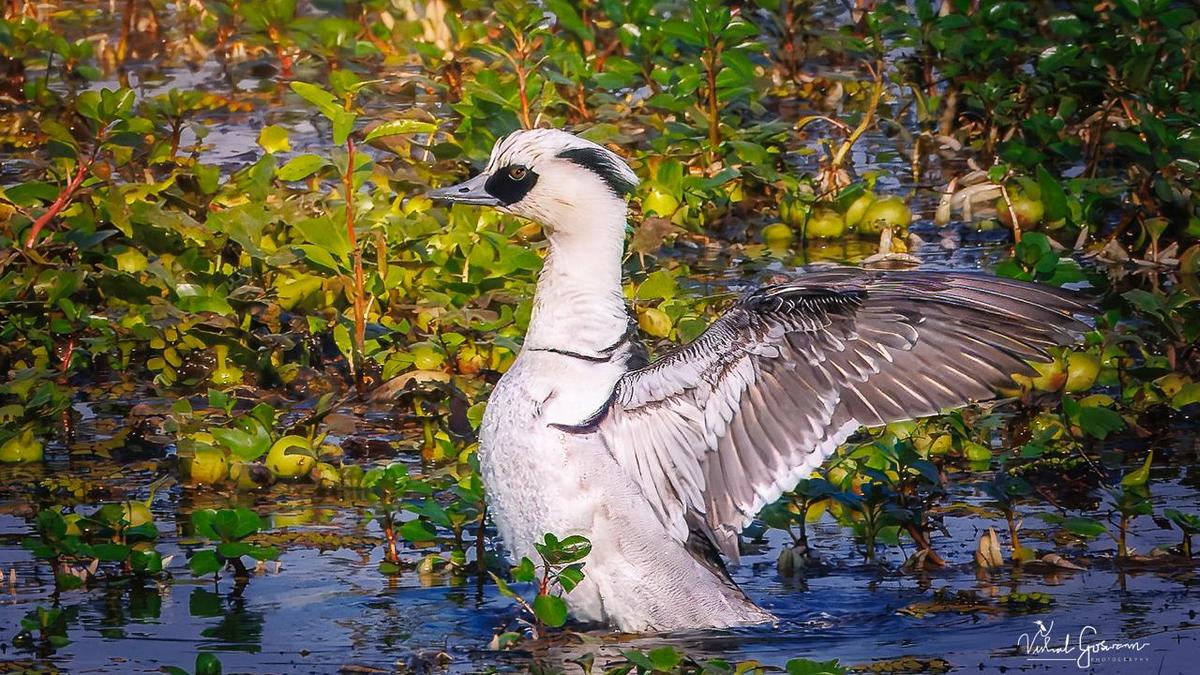
A waterbird census conducted in January 2026 at Kaziranga National Park and Tiger Reserve in Assam, India, has revealed the first-ever sighting of a smew (Mergellus albellus), a Eurasian diving duck. While this discovery has been celebrated by ornithologists and wildlife officials, it also raises concerns about the impact of climate change on migratory bird patterns. The census, which covered 166 wetlands, recorded over 105,000 individual waterbirds of 107 species.
Key Points:
- The smew, a rare visitor to India, was spotted at Rowmari-Donduwa beels in Laokhowa, part of the Kaziranga landscape.
- The census recorded 105,540 individual waterbirds from 107 species, a decrease compared to the 6,522 individuals and 17 species fewer than the 2025 count.
- Ornithologist Nilutpal Mahanta stated the smew sighting signals wetland health but also flags climate-driven range shifts.
- The top abundant species were the bar-headed goose, northern pintail, and lesser whistling duck.
- The census highlighted the need for targeted conservation efforts for 18 critically endangered, endangered, vulnerable, and near-vulnerable species on the IUCN watchlists.
- Assam’s Forest, Environment, and Climate Change Minister Chandra Mohan Patowary hailed the sighting as reaffirming Assam’s wetlands as vital biodiversity hotspots.
Key Takeaways:
- The sighting of the smew duck in Kaziranga National Park is a significant indicator of the park’s ecological health.
- Climate change is likely influencing the migratory patterns of birds, leading to sightings of species in unusual locations.
- The census underscores the importance of protecting wetlands and mitigating threats like hunting and oil pollution.
- Continued monitoring and conservation efforts are crucial for preserving the biodiversity of Kaziranga National Park and other Important Bird Areas.
 First Piper