
Wed Feb 25 00:50:32 UTC 2026: Headline: Trump Outlines “America at 250” Vision in Second Term State of the Union Address
The Story:
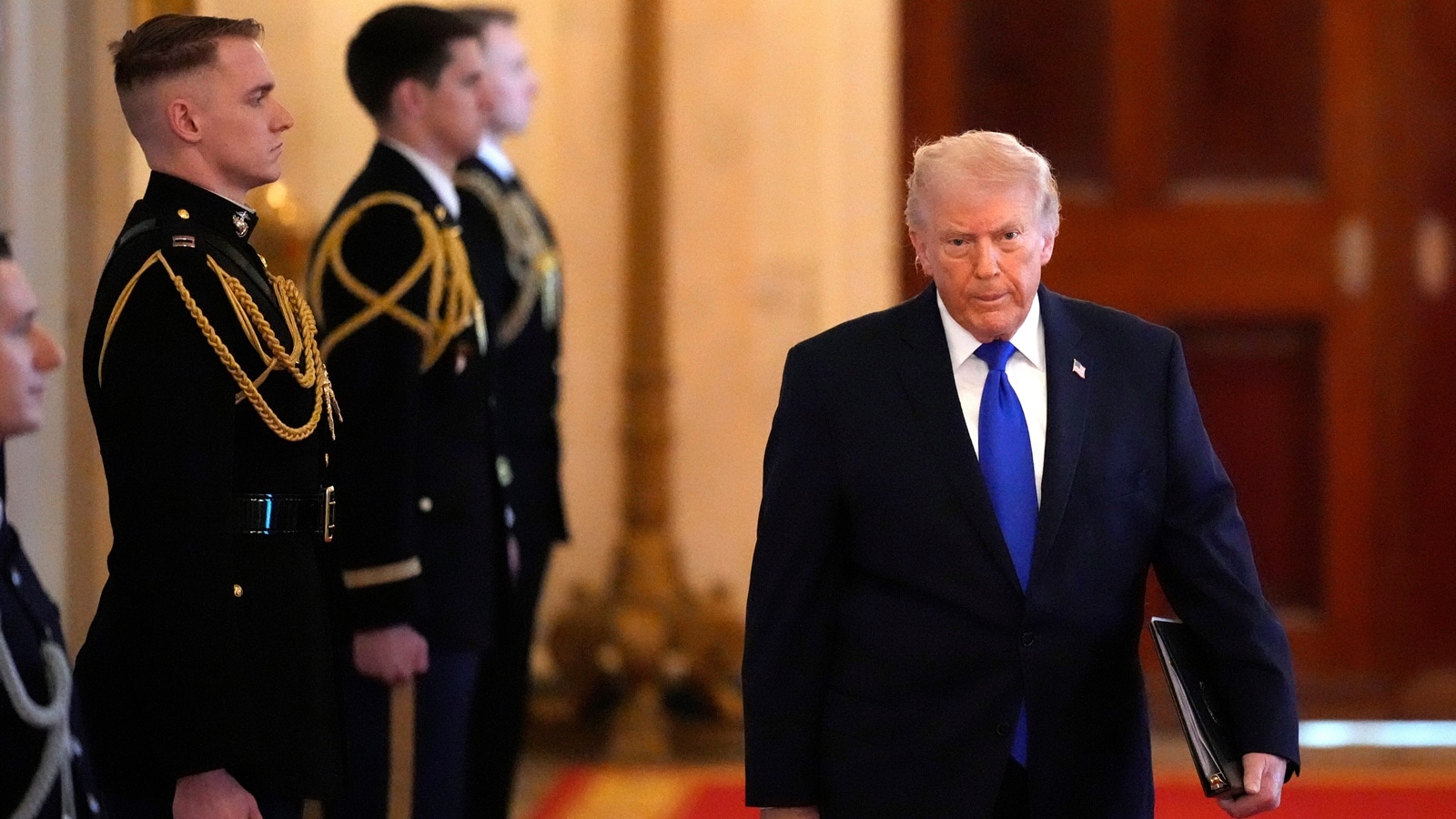
President Donald Trump delivered his first State of the Union address of his second term, addressing a joint session of the 119th Congress. The speech, themed “America at 250: Strong, Prosperous and Respected,” focused on the economy, immigration, crime, national security, and energy. Trump highlighted his administration’s efforts to roll back regulations, boost domestic manufacturing, and restore American strength in advance of the nation’s semiquincentennial. The address arrives amidst domestic opposition and international tensions, including military activity in the Middle East and Venezuela.
The speech also covered foreign policy, with specific references to the June 2025 strikes on Iran’s nuclear infrastructure and the January 2026 capture of Venezuelan leader Nicolás Maduro. While Trump touted a ceasefire he brokered in the Israel-Hamas conflict, a group of Democratic lawmakers boycotted the address, protesting the administration’s actions. Virginia Governor Abigail Spanberger delivered the Democratic rebuttal, challenging Trump’s economic narrative.
Key Points:
- President Trump delivered his first State of the Union address of his second term.
- The address focused on the economy, immigration, crime, national security, and energy.
- Trump highlighted military actions, including strikes on Iran’s nuclear infrastructure in June 2025 and the capture of Nicolás Maduro in January 2026.
- A group of Democratic lawmakers boycotted the event to protest the administration’s policies.
- Virginia Governor Abigail Spanberger delivered the Democratic rebuttal.
Critical Analysis:
The State of the Union address serves as a platform for Trump to solidify his policy wins and project an image of strength and stability amidst domestic opposition and international tensions. His emphasis on military actions in the Middle East and Venezuela suggests a strategy of projecting American power abroad, while his focus on the economy aims to bolster support at home. The Democratic boycott underscores the deep political divisions within the country, and Spanberger’s rebuttal signals the party’s intention to challenge Trump’s narrative on economic issues and his “America First” foreign policy. The historical context provided about the 2028 election (JD or Marco?) suggests that even in his second term, speculation about his potential successors is already underway, indicating the enduring influence of the Trump political brand.
Key Takeaways:
- President Trump is attempting to frame his second term as a continuation of his “America First” agenda, emphasizing economic strength and military assertiveness.
- The State of the Union address reveals deep political divisions within the United States, with Democrats actively opposing the Trump administration.
- Foreign policy remains a key focus for the Trump administration, particularly in the Middle East and Venezuela.
- The address serves as a platform for Trump to shape the narrative and influence public opinion ahead of the semiquincentennial celebrations.
- Speculation about the 2028 election is already present, suggesting an ongoing interest in the future of the Republican Party and the legacy of the Trump administration.
Impact Analysis:
The State of the Union address will likely shape the political discourse in the coming months, influencing policy debates and electoral campaigns. The emphasis on national security and economic strength could resonate with certain segments of the electorate, while the Democratic rebuttal and boycott highlight the potential for increased political polarization. The outcome of the 2026 midterm elections will be crucial in determining the balance of power in Congress and the extent to which Trump can advance his agenda. Furthermore, the long-term impact of the military actions in the Middle East and Venezuela remains uncertain, potentially leading
 First Piper