
Wed Feb 25 13:24:47 UTC 2026: ### Headline: Chief Minister Stalin Launches Welfare Projects in Nagercoil Amidst Political Tensions
The Story:
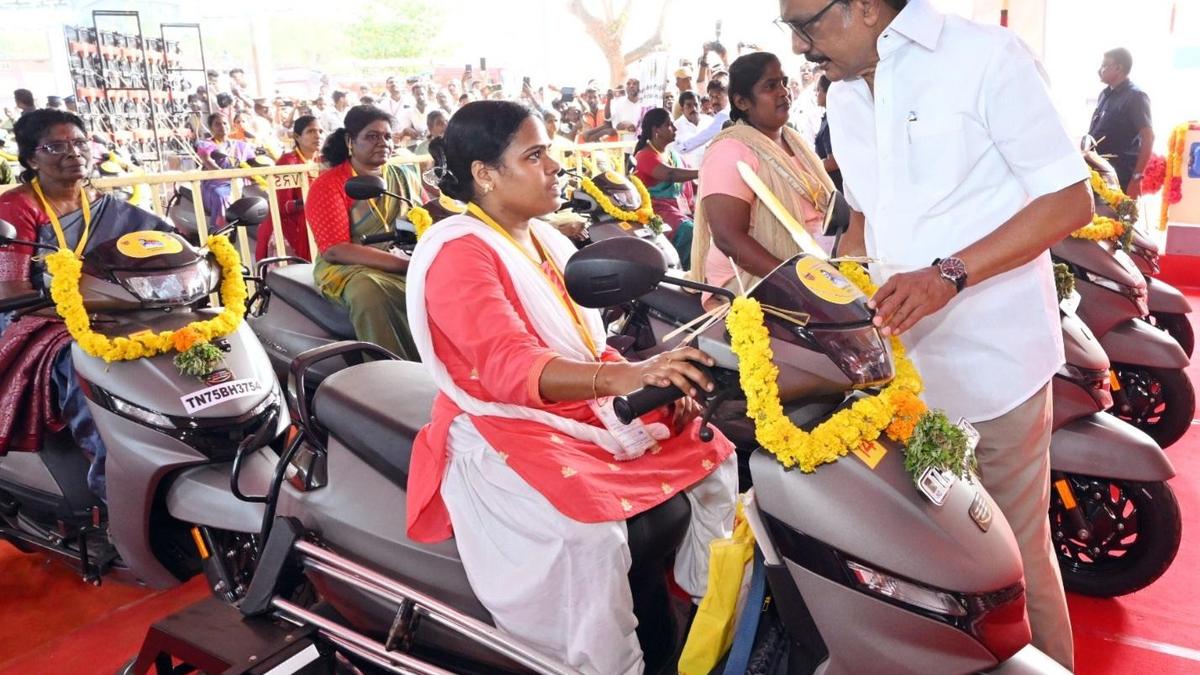
On Wednesday, February 25, 2026, Chief Minister M. K. Stalin inaugurated completed projects, laid the foundation stone for new initiatives, and distributed welfare assistance to 3.12 lakh beneficiaries in Nagercoil, Kanniyakumari district. The total cost of these projects and assistance amounts to ₹1,785.37 crore. Mr. Stalin also laid the foundation stone for 1,237 new projects worth ₹294.9 crores in the district. This event occurs amidst ongoing political tension, highlighted by Mr. Stalin’s recent statement that PM Modi’s frequent visits to Tamil Nadu will backfire on the NDA.
Key Points:
- Date: Wednesday, February 25, 2026.
- Location: Nagercoil, Kanniyakumari district.
- Event: Inauguration of completed projects, laying foundation stones for new projects, and distribution of welfare assistance.
- Beneficiaries: 3.12 lakh people.
- Total Cost: ₹1,785.37 crore.
- New Projects: 1,237, worth ₹294.9 crores.
Critical Analysis:
The timing of this large-scale welfare initiative, coinciding with CM Stalin’s criticism of PM Modi’s visits to Tamil Nadu, suggests a strategic move to solidify support and showcase the state government’s commitment to its citizens. The “Nalam Kaakkum Stalin” camps in Tenkasi district, benefiting over 34,000 people, further underscore this focus on welfare programs. The central government’s e-rupee pilot project for subsidy distribution in Puducherry could be seen as a parallel effort, potentially creating a competitive dynamic in welfare delivery between the state and central governments.
Key Takeaways:
- Chief Minister Stalin’s government is actively investing in welfare projects in Tamil Nadu.
- The scale of the investment signifies a strong commitment to social programs.
- The timing of these initiatives appears strategically aligned with the political landscape, possibly as a countermeasure to national-level political activity.
- Welfare initiatives are becoming a key battleground between state and central governance.
Impact Analysis:
The sustained focus on welfare programs by the Tamil Nadu government is likely to have a significant long-term impact. Firstly, it could improve the quality of life for a substantial portion of the population. Secondly, it positions the DMK as a pro-people party, potentially strengthening its political base. Thirdly, it could influence policy decisions in other states, encouraging similar welfare-oriented approaches. However, the success of these programs will depend on effective implementation and transparent distribution of resources. The introduction of e-rupee by the central government may transform subsidy distribution which may also be adopted by the state government in the future.
 First Piper