
Wed Feb 25 10:12:40 UTC 2026: ### Delhi Air Pollution Crisis Enters School Curriculum Amidst Educational Reforms
The Story:
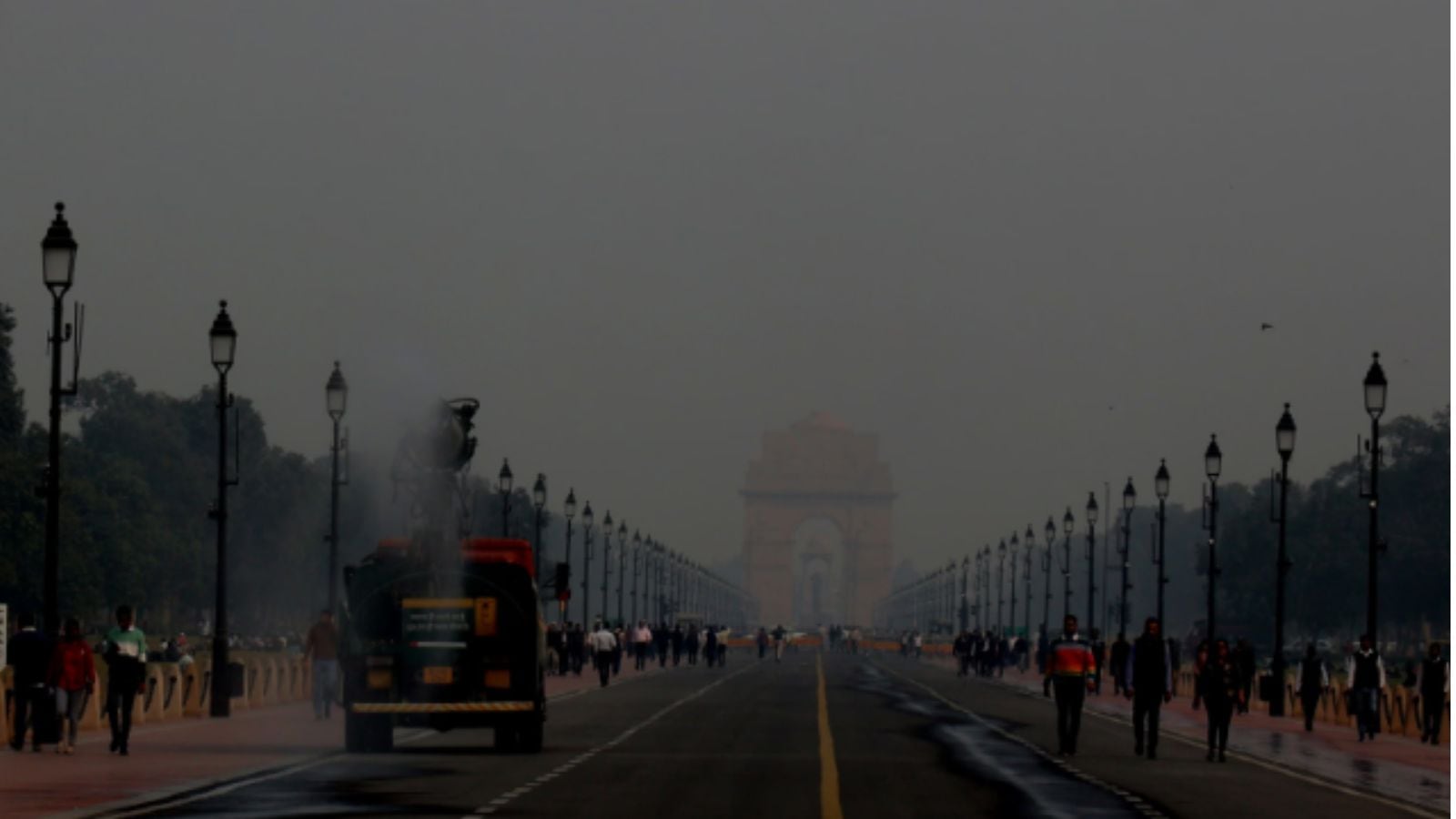
The National Council of Educational Research and Training (NCERT) has incorporated Delhi-NCR’s persistent air pollution problem into its new Class 8 Social Science textbook. The textbook, released on Monday, highlights the region’s Air Quality Index (AQI) frequently exceeding 400, far surpassing the safe limit of 50, and its associated health risks. This inclusion is part of a broader chapter on ‘India’s Urban Landscape,’ addressing challenges faced by cities due to rapid urbanization and strain on resources. The new textbooks are being developed in line with the National Education Policy 2020 and the National Curriculum Framework for School Education 2023.
The textbook explains the Air Quality Index as a numerical scale to report air quality, including data on pollutants like particulate matter (PM2.5, PM10), carbon monoxide, and sulfur dioxide. This marks a shift as older textbooks, while mentioning air pollution, did not specifically address the NCR’s AQI levels. The move comes amidst controversy surrounding another section in the new textbooks addressing “corruption in the judiciary,” which has drawn criticism.
Key Points:
- NCERT‘s new Class 8 Social Science textbook includes a section on Delhi-NCR’s air pollution.
- The textbook highlights the region’s AQI frequently exceeding 400, posing health risks.
- The chapter is part of ‘India’s Urban Landscape’ and addresses challenges faced by cities.
- The new books align with the National Education Policy 2020 and the National Curriculum Framework for School Education 2023.
- Previous textbooks mentioned air pollution but lacked specific focus on the NCR and AQI.
Critical Analysis:
While the provided historical context includes events such as scams in Bengaluru, climate change challenges in Himachal Pradesh, and celebrity news, none of these events directly correlate to the strategic decision to include air pollution in the NCERT curriculum. Therefore, a critical analysis of why these events are happening based on the provided context is not applicable.
Key Takeaways:
- The integration of environmental issues into the school curriculum reflects a growing awareness of the need to educate future generations about pressing environmental challenges.
- The specific mention of Delhi-NCR’s air pollution underscores the severity of the problem and its impact on public health.
- The inclusion of the AQI explanation aims to improve public understanding of air quality data.
- Educational reforms are being implemented with a focus on contemporary issues, potentially shaping future environmental policy and public awareness.
Impact Analysis:
The inclusion of Delhi-NCR’s air pollution in the NCERT textbook has long-term implications:
- Increased Awareness: It will raise awareness among young students about environmental issues and their impact on health and society.
- Behavioral Changes: It could potentially influence future behavior and promote environmentally conscious actions among students and their families.
- Policy Influence: Educated citizens are more likely to demand and support policies aimed at improving air quality and environmental sustainability.
- Future Research: It might inspire future generations to pursue careers in environmental science, policy, and technology to address these challenges.
 First Piper